Hiring Right in India 2026: Skills vs Attitude From a ₹250 CR VP
Mr. Ranjit Patil, VP of a ₹250 crore+ manufacturing empire, is unequivocal: attitude beats skills every time when hiring. Here's his field-tested playbook for finding the right people, building winning teams, and keeping top talent in any Indian company.
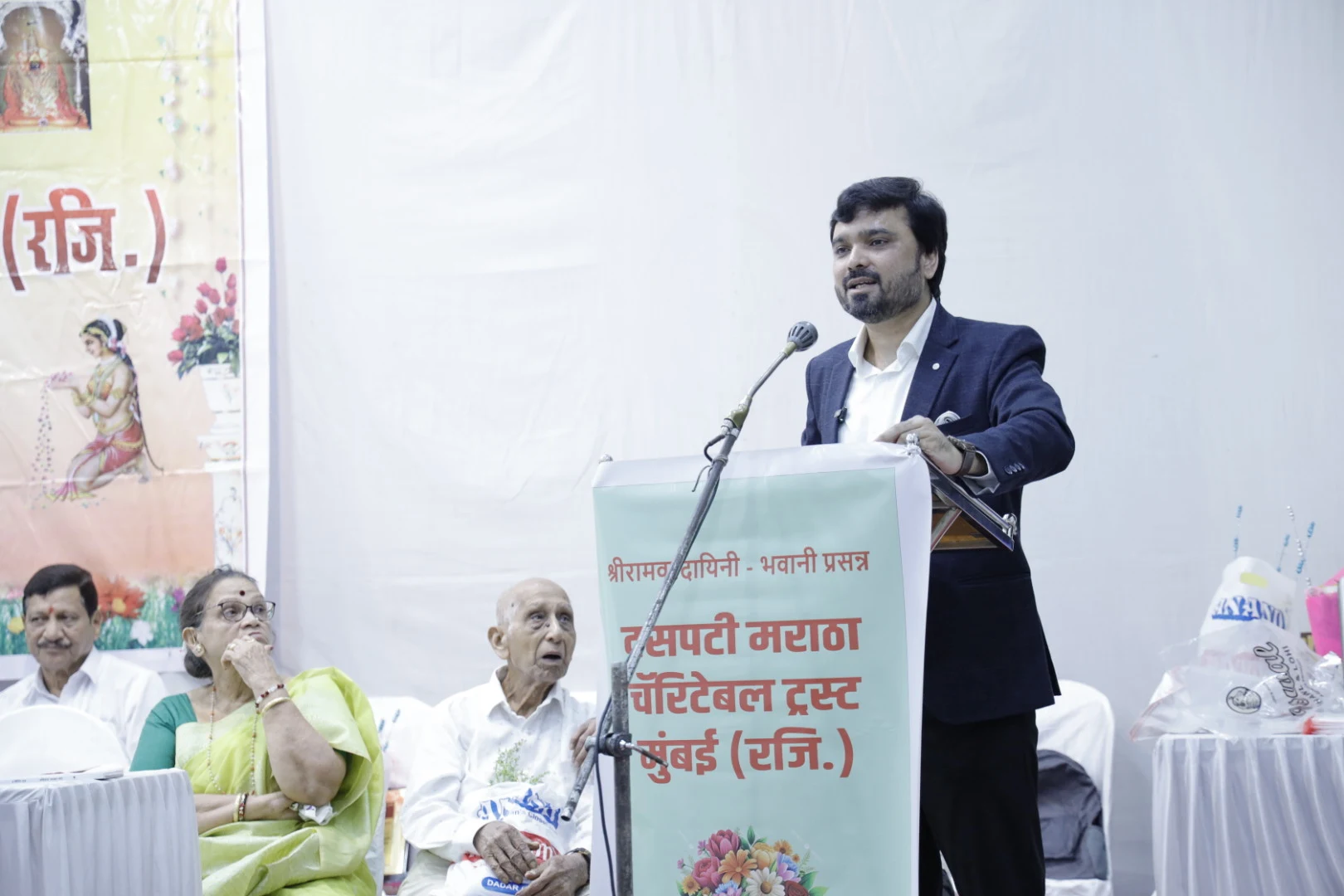
India's talent market is accelerating—AI/ML hiring is up 25% year-on-year and LinkedIn's 2026 data puts leadership skills as the #1 capability employers demand—but the question most HR managers still get wrong is the same one it has always been: when you are in a hiring room, what do you actually filter for? Mr. Ranjit Patil, Vice President of a ₹250 crore+ manufacturing empire who has hired and managed hundreds of professionals, has a clear and field-tested answer.
TL;DR- Ranjit Patil's #1 hiring filter: how does this person respond when they don't know the answer? That reaction reveals attitude more accurately than any résumé
- Attitude beats skills in hiring—skills can be trained; a bad attitude cannot be trained away regardless of your L&D investment
- Ownership orientation—treating the company's problem as your own—is the single most predictive quality for long-term high performance
- The secret to retaining top talent is not primarily salary: it is visible growth paths, meaningful work, and genuine trust with the direct manager
- India's AI/ML hiring surge is real, but even in technical roles the professionals who advance fastest combine technical competence with the right attitude toward learning and accountability
What Ranjit Patil's Interview Process Actually Filters For at a ₹250 CR Company
Mr. Ranjit Patil has built and led teams at a manufacturing operation that has scaled past the ₹250 crore revenue threshold, hiring and managing hundreds of professionals across every level of the organization. When I asked him what his interview process actually filters for, his answer was specific and memorable: "I'm looking for one thing above everything else. How does this person respond when they don't know the answer?" The technical knowledge required for the role is something Ranjit knows he can train. What he is filtering for is the attitude pattern behind the unknown: does this person get defensive, bluff, or deflect? Or do they lean forward, say 'I don't know, but here's how I'd find out,' and demonstrate genuine curiosity? That response—observable in a 20-minute conversation—predicts more of a professional's long-term trajectory than any résumé credential or technical test score. It is the primary filter he applies before any other assessment in his hiring process.
Skills vs. Attitude: The Hiring Debate That Isn't Actually Close
The skills versus attitude debate is not actually a close call for anyone who has built and managed teams over a significant period. Skills are learnable—if you hire someone with the right attitude toward learning, feedback, and collaboration, the gap between their current technical proficiency and the role's requirements is a manageable training investment. If you hire someone with the wrong attitude—defensiveness, entitlement, resistance to feedback, consistent low accountability—you cannot train your way out of it regardless of how sophisticated your L&D program is. What most people don't realize is that a bad-attitude high-skill hire is more damaging to a team than a good-attitude low-skill hire. The first person generates technical output while eroding the collaboration, trust, and morale of everyone around them—often invisibly, over time, until the damage is embedded in the culture. The second person can be developed. The team stays intact. Ranjit Patil's answer to the skills versus attitude question is unequivocal: attitude, every single time.
| Hire Scenario | High Skill + Wrong Attitude | Right Attitude + Developing Skill |
|---|---|---|
| Short-term Output | High individual technical output | Moderate; improving rapidly with support |
| Team Morale | Erodes over time; often invisibly | Stable to improving; trust builds |
| Feedback Response | Defensive; resistant; blames context | Open; applies feedback; improves |
| 2-Year Trajectory | Often plateaus or causes cultural damage | Typically a high performer by 18 months |
| Retention Risk | High: leaves or is managed out | Lower: growth and trust drives loyalty |
| Ranjit Patil's Choice | No—regardless of technical score | Yes—invest in training the skill gap |
The #1 Quality: Ownership Orientation and Why It Can't Be Trained Into Someone
The number one quality Ranjit Patil has identified across every high-performing professional in his ₹250 crore manufacturing organization is what he calls ownership orientation: the disposition to treat the company's problem as your own problem, rather than as someone else's responsibility that occasionally intersects with your job description. Ownership orientation shows up in small, observable behaviors that compound into enormous team performance differences over time. The person who notices a process inefficiency outside their department and raises it anyway. The person who stays until the problem is resolved rather than until their shift formally ends. The person who returns to their manager with three specific options when they bring a problem—not just the problem. None of these behaviors can be installed through a training workshop. They can be cultivated through culture and sustained leadership—but only if the raw disposition toward ownership is present in the person at the point of hiring. This is what Ranjit Patil's interview process is specifically designed to identify before an offer is extended.
How to Build a Winning Team in Three Phases—Not One Hiring Drive
Building a winning team for long-term success is not accomplished through a single successful hiring drive. It is a continuous system with three distinct phases that must each be executed with discipline. Phase one is selection: using every interview to filter for attitude, ownership orientation, and learning velocity—alongside the baseline technical competence the role requires. Phase two is onboarding: the first 90 days of any new hire's tenure are the highest-leverage investment period in their entire employment. How clearly they understand the company's values, operating standards, performance expectations, and team culture in those 90 days determines how quickly they become genuinely productive and how deeply they embed into the team's behavioral norms. Phase three is continuous development: making it structurally possible—not just rhetorically possible—for every team member to grow in technical skill, leadership capability, and professional scope. Ranjit Patil's ₹250 crore organization built its winning team through consistent execution of all three phases, year after year, treating human capital development as a core operational discipline and not as an HR department responsibility.
The Real Secret to Retaining Top Talent That Indian Companies Consistently Miss
The secret to retaining top talent that most Indian companies miss is simpler and more uncomfortable than most HR frameworks are willing to state plainly: the best performers leave when they stop seeing a path forward that excites them. Not primarily because of salary—though compensation must be competitive and fair. They leave because of stagnation: the feeling that yesterday's growth rate is not continuing into today. They leave because of managers who make them feel invisible, whose feedback is either absent or punitive, and with whom no genuine trust has been built. They leave because the organization makes getting meaningful things done harder than it needs to be. I've asked hundreds of high-performing professionals across Tata Tech, KPIT, Mahindra, L&T, and Indian Army officer corps why they left their previous employer. The most frequent answers do not mention compensation as the primary reason. They mention lack of visible growth opportunity, absence of specific recognition for meaningful contribution, and a breakdown of trust with their direct manager. Ranjit Patil's retention record in a manufacturing sector known for talent attrition is built on the positive version of all three conditions.
Three Hiring Mistakes Indian HR Managers and Business Leaders Make Repeatedly
Three hiring mistakes appear with remarkable consistency across Indian manufacturing, IT, and BFSI organizations I have worked with, and each is expensive. The first: hiring for availability rather than attitude fit—filling the open headcount with whoever is available within the budget and timeline, rather than holding the position until the right attitude match arrives. This is the most expensive short-term saving in talent management; the cost of a bad hire, when you account for management time consumed, team morale erosion, and rehiring costs, is estimated at 1.5 to 3 times annual salary. The second: interviewing for credentials rather than behavior—spending the interview session reviewing the résumé rather than asking behavioral questions that reveal how the person actually operates under pressure, ambiguity, and feedback. 'Tell me about a time you disagreed with your manager's decision and how you handled it' reveals more than 'Walk me through your five years at the previous company.' The third: treating the reference check as a formality rather than as genuine due diligence. A professional who has left their last three roles in succession for 'better opportunities' is telling a story in the pattern of exits. The reference call is where that story becomes audible.
Avinash Chate's Take: Hiring Is Leadership — Act Accordingly
From 11+ years of training HR leaders, business owners, and managers across Indian Army, RBI, Bajaj Auto, L&T, Mahindra, Tata Tech, KPIT, and Bosch, my perspective on hiring is consistent: hiring is one of the highest-leverage leadership decisions you make. The moment you place someone into your team, you have made a leadership choice that will shape your team's performance, culture, and capability for the next two to five years. India's AI/ML hiring market is up 25% year-on-year—LinkedIn 2026 confirms leadership skills as the most demanded capability across sectors, above even technical certifications. What Ranjit Patil has proven at ₹250 crore scale—and what I reinforce in every hiring and talent development program I design—is that the technical skills landscape of any industry changes faster than any hiring plan can predict. The professionals who remain valuable and promotable through those changes are not those who entered with the most impressive credentials. They are those who entered with the right attitude toward learning, accountability, and ownership. Hire for that disposition. Train the rest. Retain the winners by making their growth visibly, specifically, and consistently real.
Book Avinash Chate for Your Next Event
TEDx speaker. 11+ yrs training Army, BRO, RBI, BARC, JSW. Available for keynotes, leadership training, team building & manager development at your office or event venue.
✅ Thanks! Avinash team will reach out within 24 hours.'}).catch(function(e){f.outerHTML='Something went wrong. WhatsApp +91 8793630001
'});return false;">Select ServiceKeynote / Motivational SpeakingLeadership Development TrainingTeam Building WorkshopManager DevelopmentEmployee TrainingOutbound TrainingBook Avinash Now →Or WhatsApp directly: +91 87936 30001
Related Articles by Avinash Chate
- Why Indian Employees Quit After Feedback: The Emotional Bond Gap 2026
- The 1,50,000 Lives Duty: How Trivikrama Mahadeva Redefines True Professionalism
- Types of ATM and Credit Cards: The Complete Guide Every Indian Professional Needs in 2026
Avinash Chate TEDx Speaker · Founder, The Future Corporate · 11+ yrs experience Avinash has trained Indian Army, BRO, RBI, BARC, JSW Steel and 1000+ corporate leaders across India. His work focuses on leadership development, communication skills, and behavioural training rooted in Indian values and modern business needs. |
Frequently Asked Questions
What does Ranjit Patil look for as the #1 hiring quality for a ₹250 CR manufacturing company?
Ranjit Patil's primary hiring filter is ownership orientation—the disposition to treat the company's problem as one's own rather than as someone else's job responsibility. He identifies this in interviews through behavioral questions that reveal how a candidate responds when they don't know the answer: do they deflect and bluff, or do they lean forward with genuine curiosity and a structured approach to finding the answer? This response pattern, observable in 20 minutes, predicts long-term professional trajectory more accurately than technical credentials or test scores. Ownership orientation shows up in small behaviors—raising issues outside one's job description, staying until the problem is solved, bringing options not just problems—that compound into massive performance differences over time.
Should Indian companies hire for skills or attitude, and which matters more in 2026?
Attitude matters more than skills in hiring decisions, and the logic is straightforward: skills can be trained into a willing learner, but attitude cannot be trained into an unwilling one. A bad-attitude high-skill hire generates individual technical output while eroding the collaboration, trust, and morale of every team member around them—often invisibly until the cultural damage is embedded. A good-attitude developing-skill hire can be trained up while the team's interpersonal foundation remains intact. The estimated cost of a bad hire—accounting for management time, team morale impact, and rehiring costs—is 1.5 to 3 times annual salary. Hiring for attitude first, then training skills, is not idealistic. It is the most economically rational hiring decision a company can make.
How do you build a winning team for long-term success in Indian manufacturing or business?
Building a winning team for long-term success requires consistent execution of three phases: selection (filtering for attitude, ownership orientation, and learning velocity alongside baseline technical competence), onboarding (investing heavily in the first 90 days to embed values, operating standards, and performance expectations before bad habits form), and continuous development (making structural growth opportunities genuinely available to every team member, not just high-potentials). Ranjit Patil's ₹250 crore manufacturing organization built its team not through one great hiring cohort but through disciplined execution of all three phases over years, treating human capital development as a core operational discipline with the same rigor applied to production quality and financial controls.
What is the real secret to retaining top talent in Indian companies beyond competitive salary?
The most consistent finding from asking high performers across Tata Tech, KPIT, Mahindra, and Indian Army officer corps why they left previous employers is that compensation is rarely the primary reason. The primary reasons are: the absence of a visible growth path that matches their ambition, lack of specific recognition for meaningful contributions (being invisible despite high output), and a breakdown of genuine trust with the direct manager. Retaining top talent in Indian companies requires three structural commitments: make career growth paths visible and specific rather than vague and dependent on headcount availability, recognize meaningful contribution publicly and regularly, and invest in building genuine trust between managers and their direct reports before the retention crisis arrives—not after it has already started.
Avinash Chate services
Corporate Trainer in Maharashtra · Top Corporate Trainers in Maharashtra · Leadership Trainer in Maharashtra · Top Leadership Trainers in Maharashtra · Team Building Trainer in Maharashtra · Top Team Building Trainers in Maharashtra · Motivational Speaker in Maharashtra · Top Motivational Speakers in Maharashtra · All service locations
← Back to all articles · Book Avinash Chate
By Avinash Chate — Maharashtra’s #1 Corporate Trainer & Motivational Speaker. .