How Corporate Training Transforms Teams: Real Testimonials From India
Inspiration fades. Real transformation — the kind that shows up in KPIs and team morale — comes from structured training grounded in leadership, emotional intelligence, and personal development. Here's what Indian professionals say after real sessions.
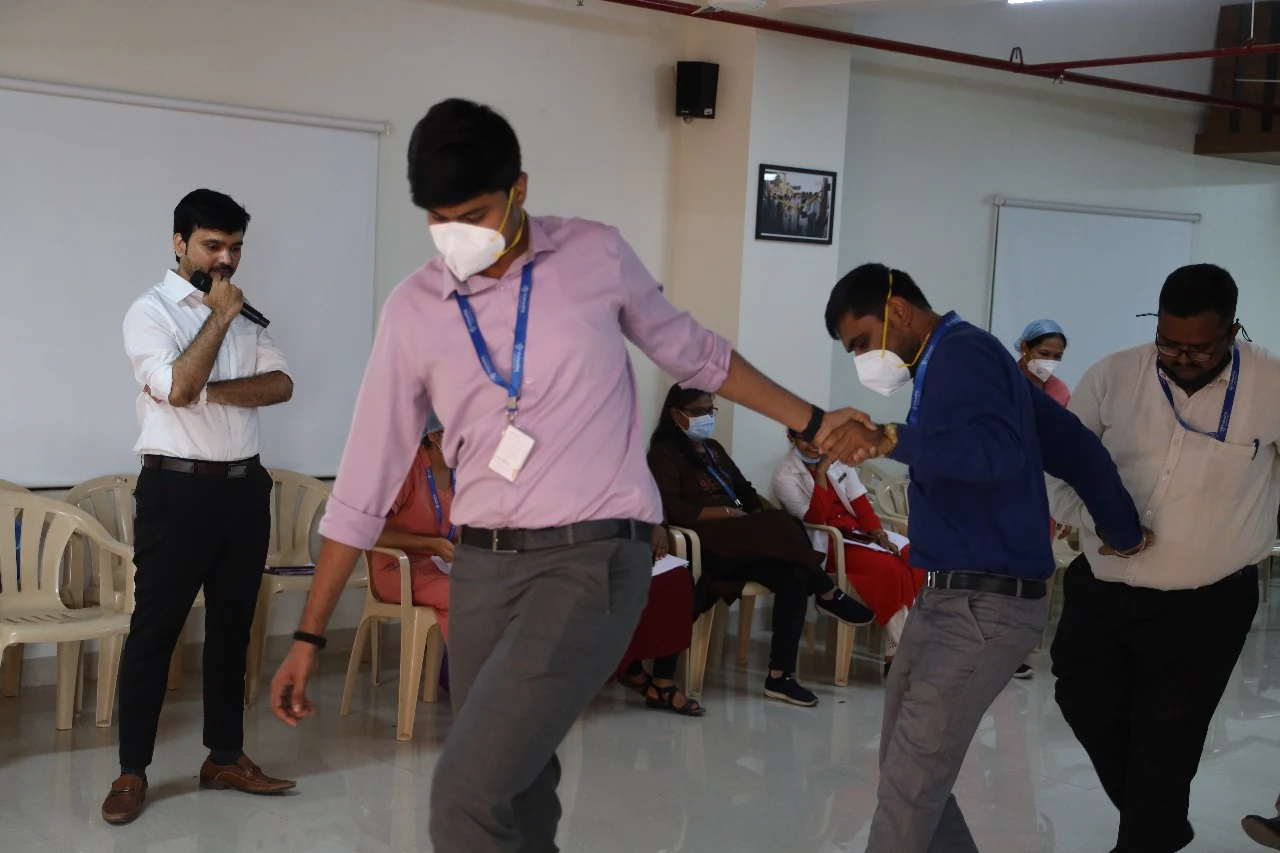
What most people don't realize about corporate training is that the real return on investment doesn't show up in attendance numbers — it shows up in how professionals lead, communicate, and perform 90 days after the session ends. India's 65% of firms investing in soft-skill training are learning this fast: the difference between forgettable inspiration and real transformation is structure, depth, and follow-through. I've seen teams from the Indian Army to Ferrero India make that shift, and the testimonials are never about the speaker — they're always about what changed.
TL;DR- Real corporate training transformation shows in team behaviour, communication patterns, and KPI performance — not just event-day energy
- Leadership excellence, team building, emotional intelligence, and personal development are the four pillars that drive lasting change in Indian corporate teams
- India's 65% of firms investing in soft-skill training are finding that bespoke, contextualised programs outperform generic motivational content
- Testimonials from participants across manufacturing, IT, banking, and defence show consistent themes: better conflict handling, faster decisions, stronger team trust
- The best training investment is not the one-day keynote — it is a structured program with pre-work, session practice, and post-program accountability
Why Most Corporate Training in India Fails to Produce Lasting Change
Most corporate training in India follows a predictable pattern: a high-energy speaker, a packed day, a lot of nodding, and then — within two weeks — everything goes back to how it was. The reason this happens is not laziness. It's that most training is designed for impact in the room, not behaviour change in the office. What separates transformative training from forgettable events is the presence of specific skill frameworks, structured practice, real-scenario role plays, and post-program accountability mechanisms. Without these, even the best content evaporates.
What Participants Actually Experience in High-Impact Training Sessions
Walk into one of my training sessions at any corporate campus — whether it's Bajaj Auto in Pune or KPIT in Bengaluru — and what you'll see is unusual for India: people disagreeing, roleplaying difficult conversations, getting feedback on camera, writing personal development plans they're held to. Participants say the energy is different because the expectation is different. This isn't a motivational event. It's a workshop where you leave with specific skills you couldn't demonstrate when you walked in. That difference in expectation creates a different quality of participation.
| Training Component | Why It Matters for Indian Teams | Measurable Outcome |
|---|---|---|
| Leadership Excellence | Managers lead with clarity, not authority | Faster decisions, less escalation |
| Team Building | Breaks silos, builds psychological safety | Better cross-functional collaboration |
| Emotional Intelligence | Reduces interpersonal conflict under pressure | Lower attrition, better client retention |
| Personal Development | Connects individual goals to org outcomes | Higher engagement scores |
| Communication Skills | Reduces misalignment and rework | Fewer escalations, faster project delivery |
Leadership Excellence: What Changes When Indian Managers Lead Differently
Leadership development changes how a manager enters a room, runs a one-on-one, handles a low performer, and responds to a crisis. I've watched managers from L&T and Mahindra come into programs thinking leadership is about authority — and leave understanding it's about clarity. When managers communicate expectations clearly, give feedback without defensiveness, and hold accountability conversations without damaging relationships, their team performance follows. This isn't theory: these are skills that get practised in the session and go back to work the next day.
Team Building That Goes Beyond Outdoor Games: Real Behaviour Change
Team building activities in India have a reputation: games, sports, maybe a ropes course. What most people don't realize is that the most powerful team building happens in the conversations that follow the activity — the debrief where a team has to name their patterns, acknowledge what's broken, and commit to specific changes. I've run team building sessions for organisations including Indian Army units, JSW Steel, and Tata Tech, and the ones that produce lasting change always have three things: structured reflection, honest feedback, and shared commitment to one or two specific behavioural norms.
Emotional Intelligence Training: The Skill Indian Organisations Underinvest In
Emotional intelligence is the skill that Indian corporate culture most consistently underestimates. Companies invest in technical training, process training, sales training — but the reason most teams underperform is not a lack of technical knowledge. It's the inability to manage emotions under pressure, empathise with colleagues under stress, and stay composed when a client or senior is being unreasonable. I've seen emotionally intelligent managers outperform technically superior peers at Siemens, Bosch, and Infosys. The data from 65% of Indian firms investing in soft skills reflects a growing recognition of this gap.
Personal Development in a Corporate Context: What Indian Professionals Actually Need
What Indian professionals tell me they need is not more information — they have more information than they can process already. What they need is clarity about their own behaviour patterns, honest feedback from a facilitator who isn't their manager, and a structured path from where they are to where they want to go. Personal development in a corporate context means connecting individual growth goals to team and organisational outcomes. When I run these sessions, I always make time for participants to write their own development plan in the room — not a template, but a personalised commitment they read aloud to a partner.
Real Testimonials From Corporate Training Participants Across India
The testimonials I receive from training participants are consistent across industries and seniority levels. HR leaders from manufacturing firms describe reduced conflict escalation and faster performance conversations. Sales managers from banking and insurance report better client communication and improved closure rates. Mid-level managers from IT companies describe finding their voice in senior meetings after years of staying quiet. What strikes me is not the variety of outcomes but the consistency of the root cause: before the training, most of these professionals had never been given a structured model for the interpersonal skill they were struggling with.
How to Select the Right Corporate Trainer for Your India Team in 2026
The right corporate trainer for your India team is not the one with the biggest social media following. It's the one who has worked with organisations like yours, in your industry, at your stage of growth. Ask prospective trainers how they customise content for your specific team challenges. Ask what happens after the training — is there a follow-up mechanism or accountability structure? Ask for references from organisations in your sector. I've spent 11 years working with companies ranging from Indian Army units to Ferrero and RBI because I build each program around the actual challenge the team is facing, not a standard deck.
Book Avinash Chate for Your Next Event
TEDx speaker. 11+ yrs training Army, BRO, RBI, BARC, JSW. Available for keynotes, leadership training, team building & manager development at your office or event venue.
✅ Thanks! Avinash team will reach out within 24 hours.'}).catch(function(e){f.outerHTML='Something went wrong. WhatsApp +91 8793630001
'});return false;">Select ServiceKeynote / Motivational SpeakingLeadership Development TrainingTeam Building WorkshopManager DevelopmentEmployee TrainingOutbound TrainingBook Avinash Now →Or WhatsApp directly: +91 87936 30001
Related Articles by Avinash Chate
- Corporate Team Building and Behaviour Training for Indian Companies
- HR Efficiency Training for Maharashtra's Corporate Professionals 2026
- The REST Model: Unlock Creativity and Innovation in Indian Business
Avinash Chate TEDx Speaker · Founder, The Future Corporate · 11+ yrs experience Avinash has trained Indian Army, BRO, RBI, BARC, JSW Steel and 1000+ corporate leaders across India. His work focuses on leadership development, communication skills, and behavioural training rooted in Indian values and modern business needs. |
Frequently Asked Questions
What types of corporate training programs are most effective for Indian teams?
The most effective corporate training programs for Indian teams combine leadership development, communication skills, emotional intelligence, and team behavioural change. Generic motivational events produce short-term energy without lasting change. Programs that include specific frameworks, structured role-plays, real-scenario practice, and post-program accountability mechanisms consistently outperform one-day inspirational sessions. Bespoke training contextualised for the specific industry, team maturity, and organisational challenges delivers the highest return on investment.
How long does it take to see results from corporate training in India?
Measurable results from corporate training typically begin to appear within 30 to 60 days when the program includes structured practice and follow-up. Soft skill improvements — communication clarity, conflict reduction, feedback quality — show up in team dynamics within weeks. KPI improvements in sales performance, project delivery, or customer satisfaction usually take 60 to 90 days to materialise. Programs with post-training accountability check-ins and manager reinforcement produce the fastest and most sustained results in Indian corporate contexts.
What is the difference between team building and team training in India?
Team building activities focus on relationship, trust, and collaboration — often through experiential exercises, group challenges, and structured debrief conversations. Team training focuses on developing specific skills the entire team needs: negotiation, leadership communication, decision-making under pressure. The most effective programs combine both: an experiential element that surfaces the team's actual dynamics, followed by structured skill-building that directly addresses what the exercise revealed. Separating the two produces weaker outcomes than integrating them.
How can an organisation measure the ROI of corporate training in India?
Measuring corporate training ROI requires establishing baseline metrics before the program and tracking them at 30, 60, and 90-day intervals after. Relevant metrics for Indian teams include: conflict escalation rates, manager-reported feedback quality, 360-degree assessment scores, sales closure rates, project delivery timelines, and team engagement survey scores. The most honest ROI measurement also includes qualitative testimony from managers observing changed behaviour in their teams — because not every valuable shift shows up in a spreadsheet immediately.
Avinash Chate services
Corporate Trainer in Maharashtra · Top Corporate Trainers in Maharashtra · Leadership Trainer in Maharashtra · Top Leadership Trainers in Maharashtra · Team Building Trainer in Maharashtra · Top Team Building Trainers in Maharashtra · Motivational Speaker in Maharashtra · Top Motivational Speakers in Maharashtra · All service locations
← Back to all articles · Book Avinash Chate
By Avinash Chate — Maharashtra’s #1 Corporate Trainer & Motivational Speaker. .