How to Choose the Right Corporate Trainer for Your Business Needs
Choosing the right corporate trainer can directly influence employee performance, leadership growth, and business outcomes. In this guide, I share how to evaluate expertise, training fit, delivery style, and long-term value before making the right decision for your organization.
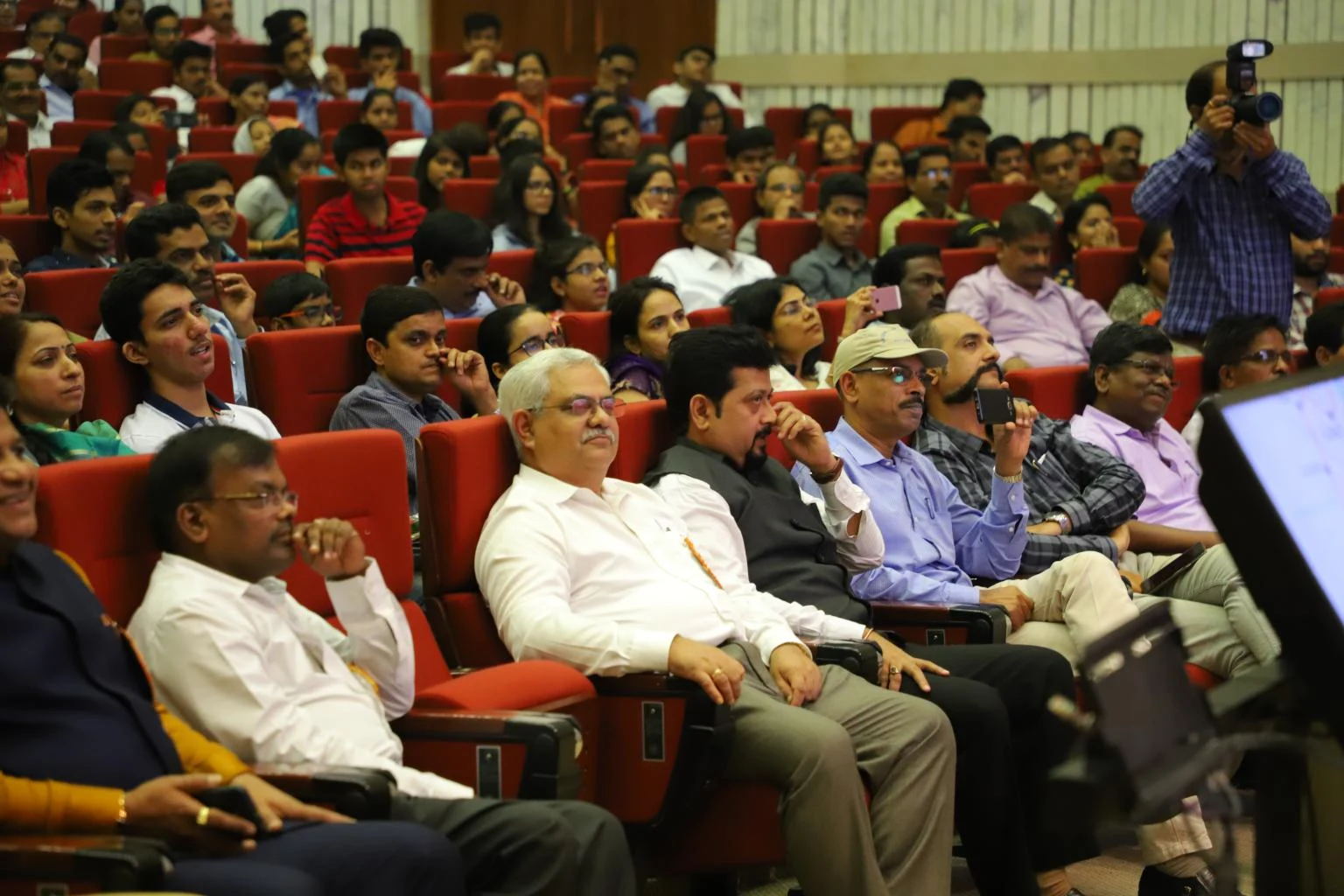
Avinash Chate - Best Corporate Trainer conducting leadership session
How to Choose the Right Corporate Trainer for Your Business NeedsWhen businesses invest in learning, they are not just buying a workshop. They are shaping culture, capability, and performance. I have seen this repeatedly while working with leaders and teams across India, and one truth stands out: the right corporate trainer can accelerate business results, while the wrong one can waste both time and trust.
The best corporate training is never about motivation alone. It is about measurable transformation, practical application, and lasting behavioral change.
If you are evaluating trainers for your organization, you need a clear method to separate polished marketing from genuine impact. As Avinash Chate, a TEDx speaker and author of The Winning Edge, I believe the selection process should be strategic, not emotional. Whether you need leadership development, sales effectiveness, communication training, or mindset transformation, the right choice begins with understanding your own business needs first.
Over 15+ years, I have worked with professionals, managers, educators, and business leaders, and I have learned that the best training outcomes come when there is alignment between business goals, learner needs, and trainer expertise. That is exactly what this guide will help you evaluate.
Start by Defining the Real Business Need
Before you shortlist any corporate trainer, identify the problem you are trying to solve. Many organizations make the mistake of asking for a training program before diagnosing the performance gap. That usually leads to generic sessions with limited impact.
Ask simple but important questions. Are your managers struggling with delegation? Is your sales team unable to convert opportunities? Do employees need stronger communication and collaboration? Are leaders facing pressure and burnout? The clearer the need, the easier it becomes to choose the right trainer.
I always encourage decision-makers to move beyond broad requests like “we need a motivational speaker” or “we want leadership training.” Those are categories, not outcomes. Define what success should look like after the program. Better team accountability, stronger customer conversations, improved decision-making, and calmer responses under pressure are all more useful targets.
If your team is dealing with emotional pressure and performance anxiety, you may also find value in reading Master Your Mind: The Science Behind Staying Calm Under Pressure. Mental composure often influences training effectiveness more than organizations realize.
Evaluate Expertise, Credibility, and Business Relevance
Not every engaging speaker is a capable corporate trainer. A trainer must do more than inspire. They must understand adult learning, workplace realities, and business outcomes. This is where credibility matters.
When assessing a trainer, review their background carefully. Have they worked with real organizations? Do they understand different industries? Can they customize content for your team level, from frontline employees to senior leaders? Look for evidence of practical work, not just stage presence.
For example, when a trainer has worked with organizations such as Prism Johnson Limited, it signals exposure to real business environments and operational complexity. That matters because corporate learning is rarely theoretical. Teams want examples they can apply immediately.
You should also assess whether the trainer has a clear methodology. In my work as Avinash Chate, I often draw from the KITE Leadership Framework to help leaders build self-awareness, influence, trust, and execution capability. Frameworks matter because they create structure, consistency, and measurable progress. Without a framework, training often becomes a collection of good ideas without a roadmap.
Strong credibility also comes from thought leadership. If a trainer is a TEDx speaker, publishes ideas consistently, or is an author of The Winning Edge, it usually indicates depth of thinking and commitment to the field. Still, credentials should support relevance, not replace it.
Look for Customization, Not Cookie-Cutter Content
One of the biggest signs of a weak training partner is a one-size-fits-all program. Every business has different challenges, team maturity levels, and cultural dynamics. A generic presentation may entertain your employees, but it will not solve your business problem.
The right corporate trainer will ask questions before proposing a solution. They will want to understand your audience, current challenges, expected outcomes, and success measures. They may ask for stakeholder conversations, pre-session surveys, examples of workplace scenarios, or performance indicators. That is a good sign.
I believe training should feel relevant from the first few minutes. Participants should be able to say, “This is about our world.” That level of connection only happens through customization. In my experience, organizations get the best results when content reflects their language, leadership realities, and day-to-day pressures.
Customization also means choosing the right format. Some teams need a keynote to spark energy. Others need a workshop, manager lab, coaching intervention, or a phased learning journey. If a trainer offers only one format for every need, that is worth questioning.
Business leaders today also want learning connected to decision-making and execution. In that context, I recommend exploring From Chaos to Clarity: How One Dashboard Can Transform Your Business Decisions because training becomes far more powerful when supported by visibility, metrics, and follow-through.
Assess Delivery Style, Engagement, and Practical Application
Even the most relevant content can fail if the delivery is flat, confusing, or disconnected from participant needs. A great corporate trainer must be able to hold attention, create interaction, and convert insight into action.
When you evaluate a trainer, ask for videos, sample sessions, testimonials, or references. Observe how they communicate. Are they clear, energetic, and grounded? Do they sound authentic? Can they simplify complex ideas? Do they create space for reflection and participation?
In my view, the best corporate training balances inspiration with implementation. Participants should leave with practical tools, not just emotional uplift. This is especially important in leadership and behavioral programs where transfer to the workplace determines true ROI.
Look for trainers who use real examples, role plays, case discussions, self-assessments, and action planning. Adults learn best when they can connect concepts to their own experience. A trainer who only speaks at participants, without involving them, reduces retention and impact.
If your organization is also evaluating speaker-led events for broader employee engagement, you may find this useful: Best Motivational Speaker in Jaipur for Rajasthan Corporate Events. While your need may be different, it highlights the distinction between event energy and sustained capability building.
Measure ROI Beyond Feedback Forms
Many organizations judge training success using only smile sheets and participant ratings. While feedback is helpful, it is not enough. A highly rated session is not always a high-impact session.
The right corporate trainer should be comfortable discussing outcomes. What should change after the workshop? How will managers reinforce learning? What behaviors should improve? What metrics can be tracked over time?
I always recommend evaluating training at multiple levels. Start with participant response, but go further into learning retention, workplace application, and business impact. Depending on the topic, this may include better meeting quality, stronger sales conversations, improved manager communication, reduced conflict, or increased accountability.
Ask whether the trainer provides post-session reinforcement. This may include action worksheets, manager toolkits, follow-up sessions, micro-learning, or coaching support. Training should not end when the presentation ends.
As Avinash Chate, I have found that sustainable transformation happens when organizations treat learning as a process, not a one-day event. That mindset changes how you choose trainers as well. You stop looking for the cheapest session and start looking for the strongest long-term partner.
Choose a Trainer Who Fits Your Culture and Leadership Vision
Finally, the right corporate trainer should align with your organizational values and leadership philosophy. Technical expertise matters, but cultural fit matters too. A trainer may be excellent in one environment and ineffective in another.
Consider whether the trainer’s communication style matches your people. Will they connect with your teams respectfully and credibly? Can they challenge participants without alienating them? Do they understand the balance between empathy and accountability?
In many organizations, the most successful learning partners are those who can speak to both the head and the heart. They understand business realities, but they also understand human behavior. That combination creates trust, and trust accelerates learning.
If you are selecting a trainer for leadership, communication, mindset, or performance transformation, do not rush the decision. Review their thought process, content quality, business understanding, and ability to customize. Ask what will be different in your organization after the intervention. If the answer is vague, keep looking.
As Avinash Chate, I believe great corporate training should create clarity, confidence, and capability. It should help people think better, lead better, and perform better. When you choose the right trainer, you are not just booking a session. You are investing in the future behavior of your organization.
If you are ready to build a more capable and high-performing workforce, book a corporate training session with me and let us design a learning experience aligned to your business goals.
Frequently Asked Questions
How do I know if my company needs a corporate trainer?
If your teams are facing recurring performance gaps, communication issues, leadership challenges, low accountability, or difficulty adapting to change, a corporate trainer can help address these issues through structured learning and behavior-focused interventions.
What should I look for in a corporate trainer?
Look for relevant experience, industry understanding, a clear training framework, customization ability, strong delivery skills, and a focus on measurable outcomes rather than just motivational speaking.
Why is customized corporate training better than generic programs?
Customized training addresses your specific business challenges, team dynamics, and desired outcomes. This makes the learning more relevant, practical, and easier for participants to apply in their daily work.
How can I measure the ROI of corporate training?
Measure ROI through changes in behavior, team performance, manager feedback, business metrics, and post-training application. Participant satisfaction is useful, but long-term workplace impact is the real indicator of success.
Should I hire a motivational speaker or a corporate trainer?
It depends on your objective. If you want to energize and inspire an audience, a motivational speaker may be suitable. If you want skill development, behavior change, and measurable business outcomes, a corporate trainer is the better choice.
About the Author
Avinash Chate is a TEDx speaker, published author of The Winning Edge and The Unanswered, and founder of The Future Corporate & Business Coaching. With over 15 years of experience training 80+ organizations including Gurukul English School, Nestle, USK agro science, Mauli Sahkari Patsanstha Marya, Avinash is recognized as Maharashtra's leading corporate trainer. He created the KITE Leadership Framework and the 25-Star Competency Framework™, delivering high-impact programs across leadership, team building, sales transformation, and emotional intelligence.
📞 +91 8793630001 | ✉️ connect@avinashchate.com | 🌐 avinashchate.com
Book Avinash Chate for Your Next Event
Maharashtra's #1 Corporate Trainer · India's leading Motivational Speaker & Team Building Expert · 2x TEDx · Available across India in English, Hindi & Marathi.
✅ Thanks! Avinash team will reach out within 24 hours.'}).catch(function(e){f.outerHTML='Something went wrong. WhatsApp +91 8793630001
'});return false;"> Select Service Motivational Speaking / Keynote Team Building Workshop Corporate Training / Leadership Development Manager Development Employee Training Outbound Training Book Avinash Now →Or WhatsApp directly: +91 87936 30001
Related Articles by Avinash Chate
- How I Use Storytelling Techniques to Build Better Leadership and Team Motivation
- The Impact of Motivational Speaking on Leadership Development
- Why Workplace Inspiration Is Becoming a Business Necessity
Work with Avinash Chate
- Best Motivational Speaker in Pune →
- Motivational Speaking for Corporate Events →
- Best Motivational Speaker in Maharashtra →
Avinash Chate services
Corporate Trainer in Maharashtra · Top Corporate Trainers in Maharashtra · Leadership Trainer in Maharashtra · Top Leadership Trainers in Maharashtra · Team Building Trainer in Maharashtra · Top Team Building Trainers in Maharashtra · Motivational Speaker in Maharashtra · Top Motivational Speakers in Maharashtra · All service locations
← Back to all articles · Book Avinash Chate
By Avinash Chate — Maharashtra’s #1 Corporate Trainer & Motivational Speaker. .