How to Develop Resilience in Your Workforce: Practical Tips That Create Stronger Teams
Discover practical ways to build resilience in your workforce through leadership, communication, trust, and team development. Learn how resilient teams stay motivated, adaptable, and productive in changing work environments.
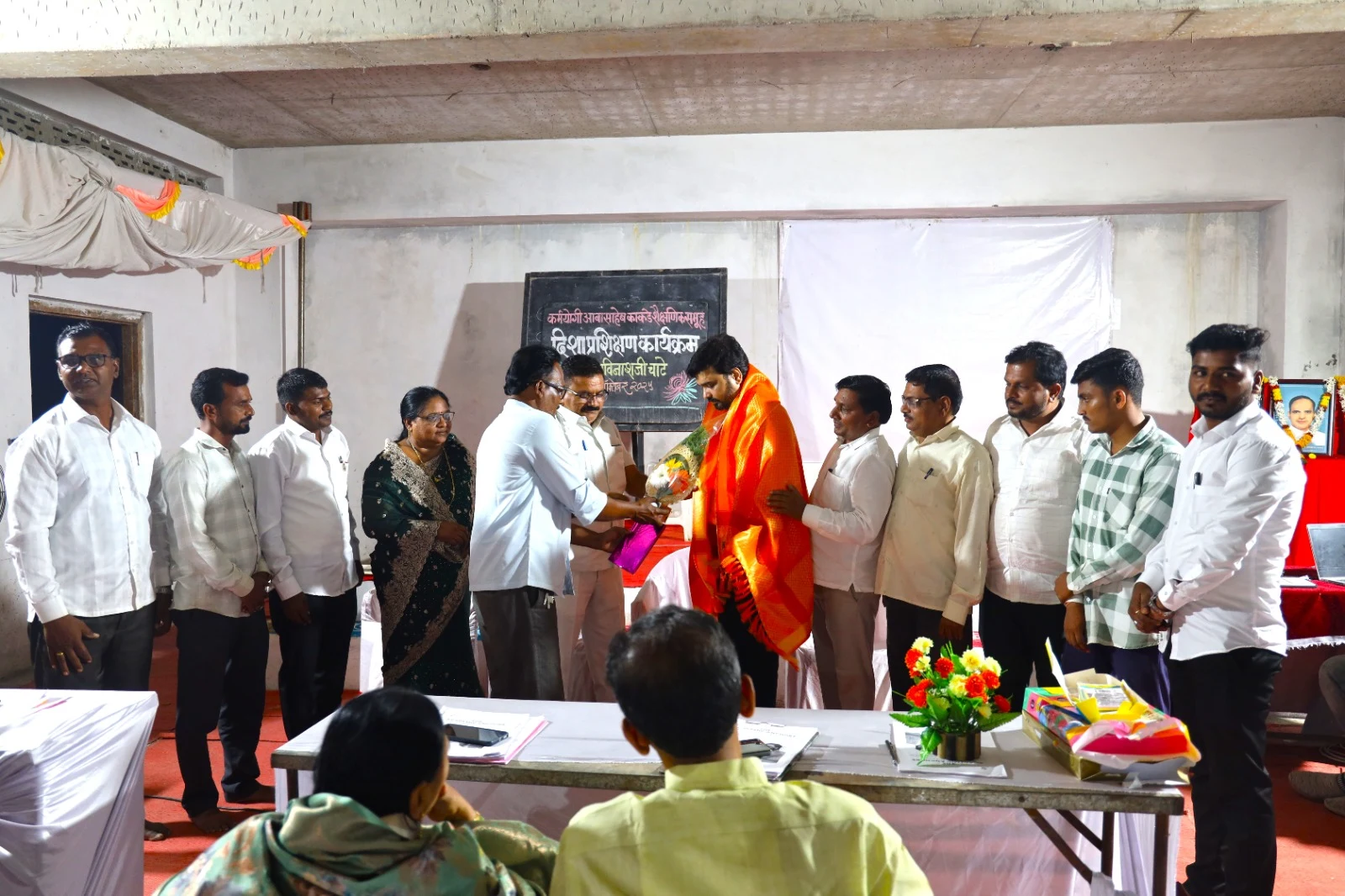
Avinash Chate - Best Motivational Speaker in India addressing corporate audience
How to Develop Resilience in Your Workforce: Practical Tips That Create Stronger TeamsIn every organization, pressure is inevitable. Change is constant. Expectations are high. What makes the real difference is not whether challenges appear, but how people respond to them. That is why I believe resilience is one of the most important workplace strengths any leader can build.
Key takeaway: A resilient workforce does not happen by accident. It grows when leaders create trust, clarity, emotional strength, and a culture where people feel supported while being challenged to grow.
As a corporate trainer, TEDx speaker, and author of The Winning Edge, I have seen one truth repeatedly: resilient teams perform better, recover faster, and collaborate with greater maturity. Over 15+ years, I have worked with leaders and teams across 80+ organizations, and I have noticed that resilience is not just about mental toughness. It is about communication, mindset, leadership behavior, and the daily habits people practice together.
When I, Avinash Chate, speak to organizations about workforce resilience, I always remind them that resilience is not built only during a crisis. It is built long before a crisis arrives. It is shaped in meetings, in feedback conversations, in how managers respond to mistakes, and in how teams support one another under pressure.
In this article, I want to share practical tips that can help you develop resilience in your workforce in a meaningful and sustainable way.
Why Resilience Matters More Than Ever in the Workplace
Resilience is the ability to stay steady, adapt positively, and keep moving forward even when circumstances become difficult. In the workplace, this means employees can handle setbacks, pressure, conflict, uncertainty, and change without losing motivation or direction.
A resilient workforce is not free from stress. Instead, it knows how to process stress, respond constructively, and maintain focus on solutions. This matters because organizations today need people who can manage emotions, communicate clearly, and stay committed even when results do not come immediately.
I have observed that when resilience is weak, small challenges become major disruptions. Misunderstandings grow faster. Blame increases. Morale drops. Productivity suffers. But when resilience is strong, teams become calmer, more accountable, and more solution-oriented.
This is where leadership and people development become critical. At Avinash Chate programs, I often connect resilience with the KITE Leadership Framework, because resilience grows when leaders create knowledge, inspiration, trust, and execution discipline in their teams.
Start with Leadership Behavior, Not Employee Pressure
One of the biggest mistakes organizations make is expecting employees to become resilient without preparing managers to lead resiliently. If leaders react with panic, inconsistency, or poor communication, teams absorb that instability quickly.
Resilience begins at the top. Leaders must model calmness, accountability, and perspective. This does not mean pretending everything is perfect. It means communicating honestly while maintaining confidence in the team’s ability to move forward.
When I, Avinash Chate, work with managers, I encourage them to ask themselves a few simple questions. Do my people feel psychologically safe speaking up? Do I respond to mistakes with learning or blame? Do I provide clarity during uncertain times? Do I appreciate effort as much as outcomes?
Leaders who build resilience do a few things consistently.
- They communicate with clarity during change.
- They stay composed under pressure.
- They listen actively before reacting.
- They encourage problem-solving instead of complaint cycles.
- They recognize progress and effort, not just final success.
When these behaviors become part of leadership culture, resilience starts becoming part of team culture as well.
Build Emotional Safety and Open Communication
Employees become more resilient when they know they can speak honestly without fear of embarrassment or punishment. Emotional safety does not make teams soft. It makes them stronger, because people are more willing to ask for help, share ideas, admit mistakes, and learn quickly.
In many organizations, employees struggle silently. They hesitate to discuss workload, confusion, or emotional fatigue because they do not want to appear weak. This silence reduces resilience because people feel isolated.
To change this, leaders must normalize healthy conversations. Team members should feel comfortable discussing challenges, priorities, and support needs. Simple habits can make a big difference.
- Start meetings with a quick check-in on team energy and focus.
- Encourage honest conversations about obstacles.
- Train managers in empathetic listening.
- Create a culture where asking for support is seen as responsible, not weak.
- Address conflict early through respectful communication.
I remember how institutions such as Daspati Maratha Charitable Trust Mumbai have valued people-centered development because strong organizations are always built on strong human relationships. Resilience becomes real when communication becomes open, respectful, and constructive.
If you want to strengthen communication capabilities further, you may also explore related insights through Motivational Speaker for Mumbai's Hybrid Work Challenges — Bridging the Office-WFH Divide in India's Corporate Capital.
Train People to Reframe Challenges and Strengthen Mindset
Resilience is deeply connected to mindset. The way employees interpret pressure influences how they respond to it. If every challenge is seen as a threat, anxiety increases. If challenges are seen as opportunities to learn, problem-solving improves.
This is why mindset training is not optional. It is essential. Employees need practical tools to manage setbacks, regulate emotions, and recover confidence after disappointment.
In my training sessions, I often focus on helping people shift from helplessness to ownership. Instead of asking, why is this happening to me, I encourage them to ask, what can I do next? That one shift creates momentum.
Here are a few practical methods to strengthen a resilient mindset.
- Teach employees to separate facts from assumptions.
- Encourage solution-focused thinking in team discussions.
- Help people reflect on past challenges they have successfully overcome.
- Promote self-awareness around emotional triggers.
- Reinforce the habit of learning from setbacks instead of personalizing failure.
Resilient teams are not those that never fall. They are the ones that know how to rise together, learn quickly, and move forward with purpose.
When mindset training becomes part of people development, employees become less reactive and more resourceful. This directly impacts morale, collaboration, and performance.
Create Team Habits That Support Recovery and Collaboration
Resilience is often misunderstood as an individual quality alone. In reality, team resilience is equally important. A strong team helps people recover faster because members support one another, share responsibility, and maintain collective confidence.
This is why team habits matter. Resilient teams create routines that reduce confusion and increase trust. They know how to stay connected under pressure. They know how to solve problems without turning against one another.
Some of the most effective team resilience practices include the following.
- Clear role clarity so people know what is expected.
- Short review discussions after difficult situations to capture lessons learned.
- Peer appreciation to reinforce positive effort and morale.
- Shared accountability instead of blame-based culture.
- Structured team-building experiences that strengthen trust.
If you are looking to deepen team bonding and collective resilience, I recommend reading How to Create an Impactful Team-Building Retreat in Nagpur: A Complete Guide.
In my experience, when teams learn together, reflect together, and solve together, they become more resilient together. That is one of the most powerful shifts any organization can create.
Support Well-Being Without Reducing Performance Standards
Another important point I share in my sessions is this: resilience is not built by lowering expectations. It is built by balancing high standards with high support. Employees want to grow, contribute, and succeed. But they also need an environment that helps them sustain energy and focus.
Organizations can support resilience by paying attention to workload management, recovery, recognition, and manager support. Burnout does not create resilient teams. Sustainable performance does.
Practical steps include setting realistic priorities, reducing unnecessary pressure, celebrating progress, and ensuring managers check in regularly with their teams. Even small recognition can have a powerful effect on emotional strength.
I have seen this in sectors where pressure is naturally high. In such environments, resilience training combined with communication and service orientation can make a major difference. For example, you may find useful perspectives in Corporate Training for Hospital and Healthcare Staff in Pune, Maharashtra.
As Avinash Chate, I always emphasize that resilient organizations do not ignore pressure. They equip people to handle it better through mindset, support, and leadership maturity.
Make Resilience a Culture, Not a One-Time Workshop
A single training session can inspire people, but lasting resilience comes from reinforcement. Organizations that truly build resilient workforces treat resilience as part of culture. They integrate it into leadership development, manager coaching, team building, communication practices, and employee engagement.
This means resilience should be visible in how meetings are run, how feedback is delivered, how setbacks are discussed, and how success is celebrated. It should not be a motivational slogan. It should be a lived experience.
To make resilience part of culture, I recommend a few long-term actions.
- Train managers to lead with empathy and accountability.
- Build resilience themes into leadership and soft skills programs.
- Review team communication habits regularly.
- Recognize employees who demonstrate adaptability and positive attitude.
- Create learning environments where mistakes become lessons.
Over the years, I, Avinash Chate, have seen that the strongest organizations are not those with the fewest challenges. They are the ones with people who know how to face challenges with courage, clarity, and commitment.
If you want your workforce to become more resilient, start with people, not pressure. Start with culture, not slogans. Start with leadership, communication, and trust.
Book a corporate training session to build resilience, leadership, communication, and team strength in your organization at avinashchate.com.
Frequently Asked Questions
What is workforce resilience?
Workforce resilience is the ability of employees and teams to handle pressure, adapt to change, recover from setbacks, and continue performing with focus and confidence.
Why is resilience important in the workplace?
Resilience helps employees manage stress better, communicate more effectively, stay motivated during challenges, and contribute to a healthier and more productive work culture.
How can leaders improve resilience in their teams?
Leaders can improve resilience by modeling calm behavior, communicating clearly, creating emotional safety, encouraging problem-solving, and supporting employees through change and pressure.
Can resilience be developed through corporate training?
Yes, resilience can be strengthened through corporate training focused on mindset, communication, emotional intelligence, leadership behavior, team collaboration, and stress management habits.
What is the first step to building a resilient workforce?
The first step is to create a culture of trust and open communication where employees feel supported, valued, and guided by resilient leaders.
Related Articles by Avinash Chate
- Why Investing in Personal Development is Key for Leadership Success in Osmanabad
- The Future of Corporate Training: Embracing Virtual Reality and AI Technologies
- The Role of Motivational Speaking in Reducing Employee Burnout
About the Author
Avinash Chate is a TEDx speaker, published author of The Winning Edge and The Unanswered, and founder of The Future Corporate & Business Coaching. With over 15 years of experience training 80+ organizations including Mumbai Port Authority, Mauli Sahkari Patsanstha Marya, Veritas Engineering & Erectors, Rajginagar Sahakari bank, Avinash is recognized as Maharashtra's leading corporate trainer. He created the KITE Leadership Framework and the 25-Star Competency Framework™, delivering high-impact programs across leadership, team building, sales transformation, and emotional intelligence.
📞 +91 8793630001 | ✉️ connect@avinashchate.com | 🌐 avinashchate.com
Book Avinash Chate for Your Next Event
Maharashtra's #1 Corporate Trainer · India's leading Motivational Speaker & Team Building Expert · 2x TEDx · Available across India in English, Hindi & Marathi.
✅ Thanks! Avinash team will reach out within 24 hours.'}).catch(function(e){f.outerHTML='Something went wrong. WhatsApp +91 8793630001
'});return false;"> Select Service Motivational Speaking / Keynote Team Building Workshop Corporate Training / Leadership Development Manager Development Employee Training Outbound Training Book Avinash Now →Or WhatsApp directly: +91 87936 30001
Avinash Chate services
Corporate Trainer in Maharashtra · Top Corporate Trainers in Maharashtra · Leadership Trainer in Maharashtra · Top Leadership Trainers in Maharashtra · Team Building Trainer in Maharashtra · Top Team Building Trainers in Maharashtra · Motivational Speaker in Maharashtra · Top Motivational Speakers in Maharashtra · All service locations
← Back to all articles · Book Avinash Chate
By Avinash Chate — Maharashtra’s #1 Corporate Trainer & Motivational Speaker. .