Team Respect Isn't Optional: The Career Growth Truth Most Indians Miss
Your colleagues don't need to be your friends—but every one of them deserves professional respect. Constant team complaints are quietly killing career growth for Indian professionals in 2026.
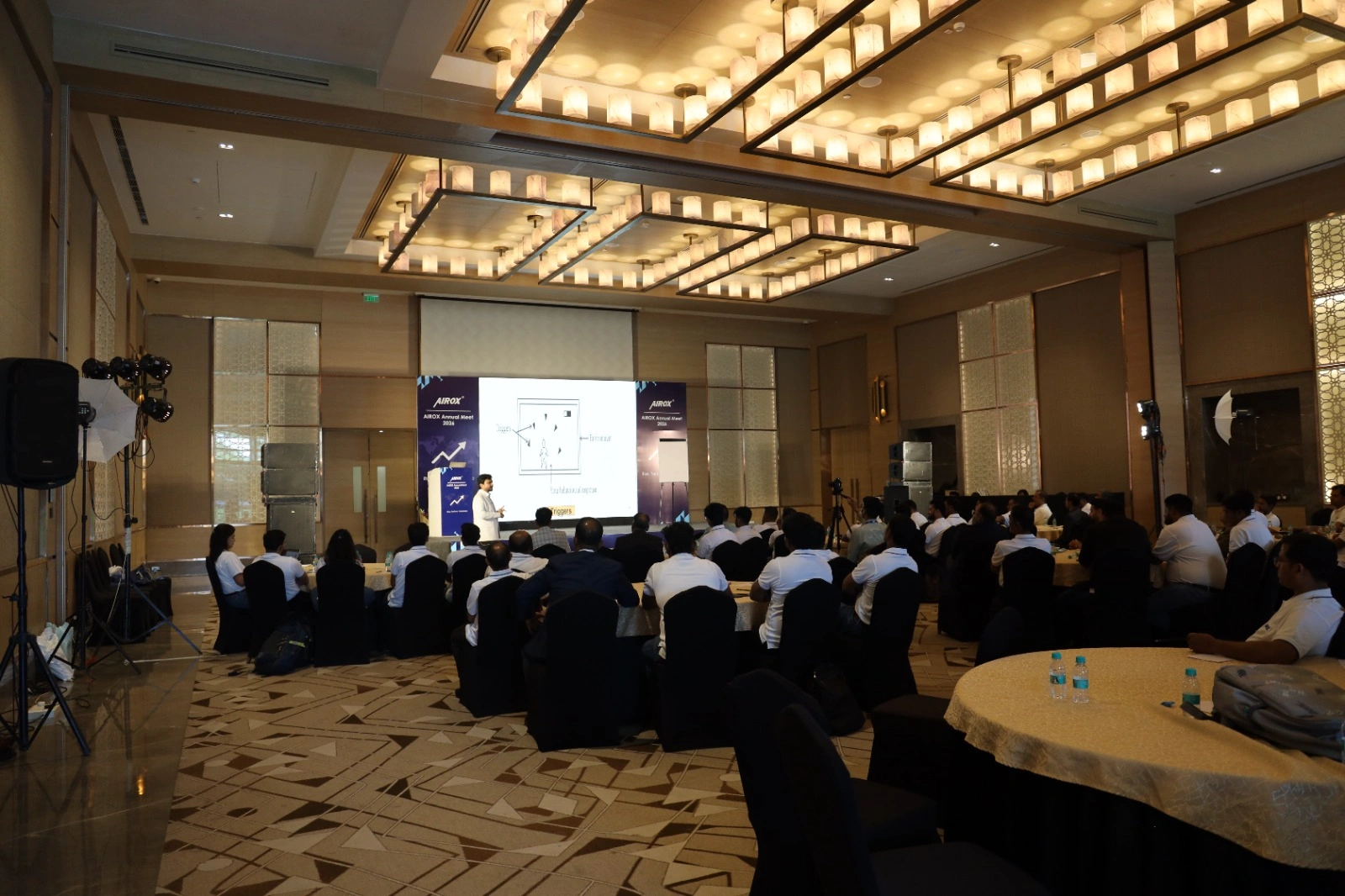
I've trained professionals across TCS, Bajaj Auto, and the Indian Army—and one career killer keeps showing up: constant team complaints. Here's the thing: not every colleague needs to be your friend, but every single one of them deserves your professional respect. That distinction is what this video nails. NASSCOM-Deloitte projects India needs 1.25M AI-skilled professionals by 2027. The ones who rise won't just be skilled. They'll be collaborative.
TL;DR- Your colleague doesn't need to be your friend—but professional respect for every teammate is non-negotiable for career growth
- Constant team complaints are the #1 hidden career ceiling in Indian corporate culture
- Teamwork produces results at a scale that solo performance cannot match—and leadership is watching
- Separating personal feelings from professional respect is the mindset shift that accelerates career growth
- Indian professionals who build collaborative reputations attract better projects, mentors, and promotions
Why Every Colleague Deserves Professional Respect—Even If They're Not Your Friend
Here's what this video makes crystal clear—and what I see validated every week in my training rooms: you don't need to like everyone on your team. You don't need to socialize with them or share your personal life with them. But the moment you walk into that office, every single person around you deserves your professional respect. That's not softness—it's the foundation of every high-performing team I've ever built at Infosys, TCS, and KPIT. Professional respect and personal friendship are two completely separate accounts. You can keep one empty without touching the other.
How Constant Team Complaints Are Quietly Killing Your Career in India
What most people don't realize is that complaining about team members is one of the most expensive career habits a professional can maintain. It signals to leadership that you can't navigate relationships—the core competency that separates individual contributors from managers. In 360-degree feedback data from my training programs at Mahindra, the professionals in the bottom 20% for leadership readiness had one common trait: high frequency of team complaints. Not low skills. Not low effort. High complaints. That single behaviour was the invisible ceiling on their career growth.
| Behaviour | Career Impact | Observed Outcome |
|---|---|---|
| Constant team complaints | Negative — signals poor relationship navigation | Plateau at individual contributor level |
| Professional respect (no personal friendship) | Positive — signals leadership readiness | Faster promotions, better project allocation |
| Working exclusively solo | Neutral short-term, negative long-term | Career plateau by year 3–5 |
| Collaborative + respectful | Strong positive signal to leadership | Access to high-visibility projects & mentors |
| Separating person from professional | Resolves conflicts faster | Reduced team friction, higher output quality |
Working Alone vs. Working Together: The Career Growth Gap No One Talks About
Working alone feels efficient. You control the output, the timeline, and the credit—without negotiation. But in every industry I've trained—from Bosch to the Indian Army to JSW Steel—professionals who work exclusively solo plateau within three to five years. Team-based projects deliver results at a scale, speed, and quality that solo performance cannot match. The good news is that you don't need to change your personality to become an effective team player. You just need to upgrade your default setting from personal judgment to professional respect.
How to Build Professional Respect Without Becoming a People-Pleaser
Here's the practical framework I teach at L&T and Siemens: separate the person from the professional. You may not enjoy a colleague's communication style. You may find their methods frustratingly slow. But if they deliver on commitments and catch errors you miss, they deserve your professional respect. That one reframe—from "I don't like how they work" to "I respect what they contribute"—resolves more team conflicts in one workshop than months of HR-led conflict resolution programs. It's not complicated. It just requires a daily decision.
Why Teamwork Produces Results That Solo Performance Cannot Match in India 2026
The data is unambiguous. McKinsey India research shows Indian managers spend 21 hours a week in meetings—35% more than their US counterparts. Most of those hours are consumed by interpersonal friction that professional respect could prevent entirely. When teams operate on a baseline of professional respect, meeting time drops, decisions accelerate, and delivery timelines compress. I've seen this happen at Ferrero India and BARC within 60 days of a structured team respect workshop—without any change in team composition or leadership.
What Your Reputation for Team Respect Really Tells Leadership About You
Leaders hear everything. When you consistently undermine teammates—in meetings, in hallway conversations, in WhatsApp groups—it builds a reputation that follows you into every promotion discussion. At RBI and Tata Tech, the professionals who advance fastest are not always the most technically brilliant. They're the ones known for being trustworthy teammates who make people around them better. That reputation is worth more than any certification on your resume—and it's built or destroyed in small daily moments of respect or disrespect.
How Avinash Chate Builds Professional Respect Culture at India's Top Companies
Across Bajaj Auto, Mahindra, and my corporate training programs nationwide, I've watched professionals transform their career trajectory by upgrading their team respect baseline. The shift is never dramatic. It's not a personality transplant—it's a decision made every morning when you walk into the office. Give every colleague the professional respect they deserve, regardless of whether they've earned your personal friendship. That daily decision compounds into the career reputation that no performance review can manufacture—and no competitor can take away.
Book Avinash Chate for Your Next Event
TEDx speaker. 11+ yrs training Army, BRO, RBI, BARC, JSW. Available for keynotes, leadership training, team building & manager development at your office or event venue.
✅ Thanks! Avinash team will reach out within 24 hours.'}).catch(function(e){f.outerHTML='Something went wrong. WhatsApp +91 8793630001
'});return false;">Select ServiceKeynote / Motivational SpeakingLeadership Development TrainingTeam Building WorkshopManager DevelopmentEmployee TrainingOutbound TrainingBook Avinash Now →Or WhatsApp directly: +91 87936 30001
Related Articles by Avinash Chate
- Initiative Isn't Dead—It's Killed: Why Indian Teams Stop Stepping Up
- How CEO Jorgen Vig Knudstorp Saved LEGO: 3 Workplace Lessons for India 2026
- Polite Smiles, Hidden Problems: The Fake Harmony Trap in India 2026
Avinash Chate TEDx Speaker · Founder, The Future Corporate · 11+ yrs experience Avinash has trained Indian Army, BRO, RBI, BARC, JSW Steel and 1000+ corporate leaders across India. His work focuses on leadership development, communication skills, and behavioural training rooted in Indian values and modern business needs. |
Frequently Asked Questions
Why is professional respect important for career growth in India?
Professional respect creates the trust foundation that high-performing teams require. In Indian corporate culture, where relationships and reputation travel across organizations, professionals known for respecting their colleagues attract better projects, mentors, and promotion opportunities. Leadership closely observes team dynamics, and those who demonstrate consistent professional respect are viewed as leadership-ready—regardless of technical skill level.
How do I show professional respect to colleagues I personally don't like?
Professional respect doesn't require personal friendship or even agreement. It means acknowledging a colleague's contribution, communicating clearly without dismissiveness, giving credit where due, and avoiding public criticism. Practically: separate the person from the professional. Focus on what they deliver, not how they differ from you. You can maintain professional respect even while disagreeing—that's actually the highest form of workplace professionalism.
Does constant team-complaining really hurt career growth?
Yes. Constant team complaints signal an inability to navigate relationships—the core competency for leadership roles. In 360-degree feedback data from my training programs, professionals with high complaint frequency consistently score lower on leadership readiness. Every complaint you make in the office eventually reaches both the people you complained about and the managers who evaluate you. It creates a reputation ceiling that technical performance alone cannot break through.
How does teamwork improve individual career outcomes in Indian corporate culture?
Teamwork exposes you to perspectives, client relationships, and project scales that solo work cannot provide. Teams with professional respect deliver projects faster, with fewer errors, and with higher stakeholder satisfaction. For individual career growth, team-based achievements build the collaborative portfolio that promotion decisions are based on. India's 65% of firms that invest in soft-skill training find the most-promoted professionals consistently have strong peer collaboration records.
Avinash Chate services
Corporate Trainer in Maharashtra · Top Corporate Trainers in Maharashtra · Leadership Trainer in Maharashtra · Top Leadership Trainers in Maharashtra · Team Building Trainer in Maharashtra · Top Team Building Trainers in Maharashtra · Motivational Speaker in Maharashtra · Top Motivational Speakers in Maharashtra · All service locations
← Back to all articles · Book Avinash Chate
By Avinash Chate — Maharashtra’s #1 Corporate Trainer & Motivational Speaker. .