The 6 Human Needs That Secretly Drive Every Decision
Discover Tony Robbins' six human needs framework and how understanding these hidden drivers can transform your leadership, relationships and results.
Have you ever watched a brilliant colleague self-sabotage — picking fights for no reason, constantly chasing the next promotion yet never feeling satisfied, or burning out despite outward success? Have you ever caught yourself doing the same? The answer, in almost every case, lies not in skill gaps or market conditions. It lies in six invisible forces that silently shape every choice every human being makes.
I first encountered this framework through Tony Robbins, and it stopped me in my tracks. In my book The Winning Edge, The Champion Mindset, I dedicate an entire chapter to what I call "the secret of magical human relations" — because once you see these six needs, you cannot unsee them. You begin to understand why your top salesperson suddenly became difficult, why a promising manager quit a job they loved, and why you sometimes feel restless even on a good day.
These are not nice-to-have self-help concepts. For leaders, managers, business owners and anyone who works with people, understanding the Six Human Needs is a strategic advantage. Let me walk you through each one — and more importantly, show you how to use this knowledge to lead better, sell smarter and live with far greater fulfilment.
What Are the Six Human Needs?
Tony Robbins identified six core psychological needs that every human being is trying to meet — all the time, whether consciously or not. They fall into two categories: the first four are needs of the personality (things we cannot survive without emotionally), and the last two are needs of the spirit (rarer and far more fulfilling). The key insight is this: we will always find a way to meet these needs — sometimes in empowering, healthy ways, and sometimes in deeply destructive ones.
Here is the complete framework, grouped as pairs:
The Four Needs of the Personality
- Certainty — security, comfort, predictability
- Variety — change, adventure, the unexpected
- Significance — feeling important, unique, needed
- Love and Connection — intimacy, belonging, being truly seen
The Two Needs of the Spirit
- Growth — becoming more, expanding capabilities
- Contribution — giving beyond yourself, leaving a legacy
"Personality begins to form when we find ways — good or bad — of meeting our core needs." — Florence Littauer
The pairs are important. Certainty and Variety are opposites that must balance. Significance and Love and Connection are also in tension — the more you need to feel special and superior, the harder genuine connection becomes. Growth and Contribution, when actively pursued, are the needs that create lasting happiness. Most people, sadly, spend their lives meeting only the first four.
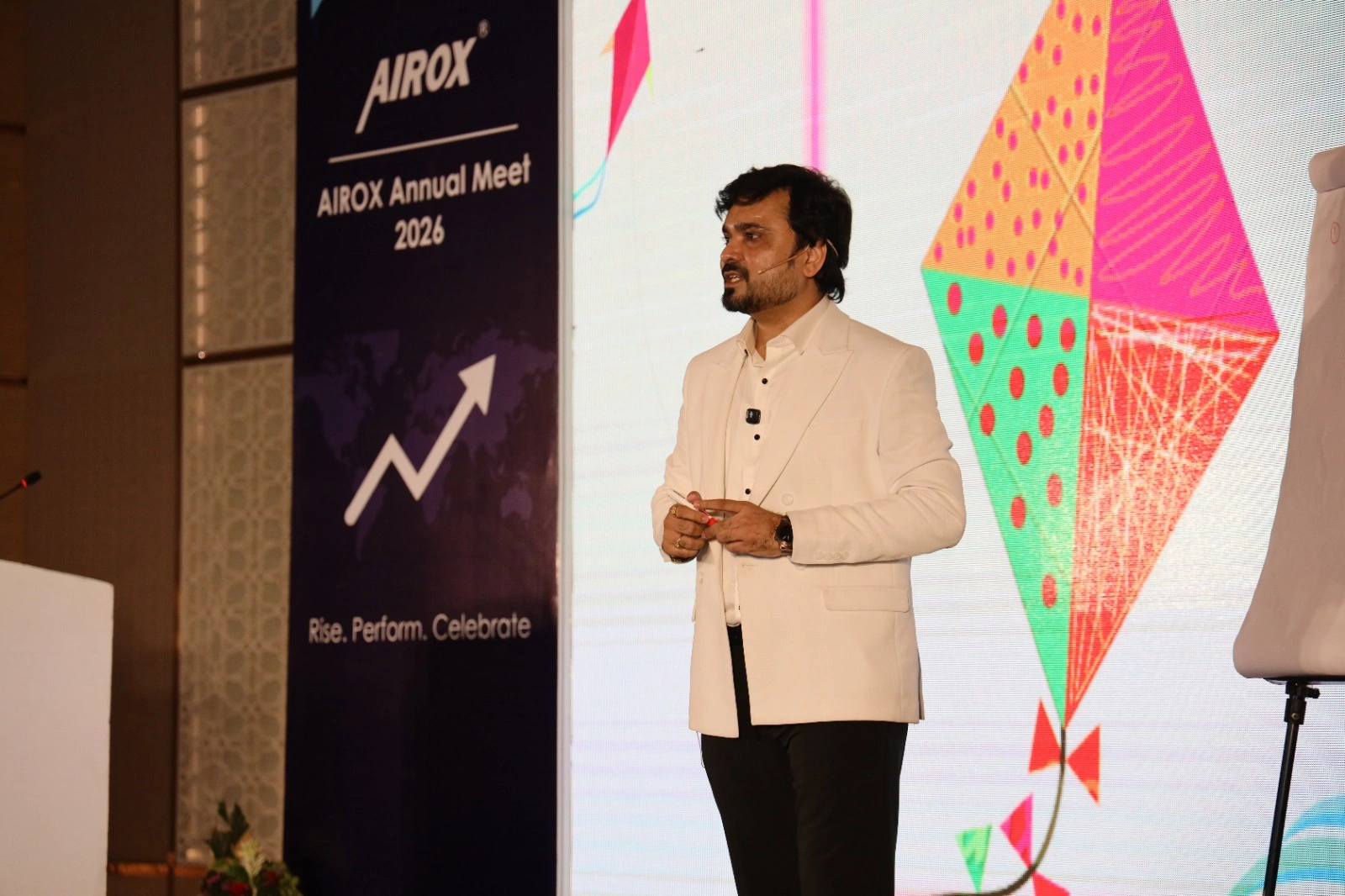
During my corporate workshops, I walk teams through each of the six human needs — the shift in self-awareness is immediate and visible.Need 1 and 2: The Certainty-Variety Tightrope
Every one of us needs to feel safe. We need to know that tomorrow will more or less look like today — that our job is secure, our relationships are stable, our routines will hold. This is the need for Certainty. We meet it through control, through habit, through savings in the bank, through loyal relationships and through mastering our craft.
But here is the paradox: too much certainty becomes suffocating. The same job, the same conversations, the same routine — after a while the human mind craves disruption. This is the need for Variety. We need surprise, challenge, novelty, risk. Met positively, the need for variety drives us to learn new skills, travel, innovate at work, and embrace change. Met negatively — and this is where leaders lose good people — it drives picking unnecessary conflicts, gambling, affairs, reckless risk-taking, or the compulsive job-hopping we see so much of in corporate India today.
What this means for Indian leaders and managers
- An employee who is constantly stirring up drama may simply be starved of variety. Give them a stretch assignment, a new project or cross-functional exposure before you label them "difficult".
- A team that resists every change initiative is usually high on certainty. They are not lazy — they are scared. Address the fear before you sell the vision.
- The best organisations create certain structures within which varied challenges can thrive. Think of it as a safe container for healthy disruption.
"The acknowledgment of having suffered evil is the greatest gift you can give to yourself." — Christina Enevoldsen
I often ask managers in my workshops: when was the last time you genuinely surprised your team in a positive way? A new challenge, an unexpected public recognition, a creative brainstorm session? If the answer is "I cannot remember," your team's need for variety is likely being met — destructively — somewhere else.
Need 3 and 4: Significance vs Love and Connection
The tension between Significance and Love and Connection is the single greatest source of relationship conflict I encounter in corporate India — in families, in leadership teams, and in sales cultures.
We all need to feel important. We need to believe our work matters, that our opinions count, that we are not just another face in the crowd. This need for Significance can be met positively — through genuine achievement, developing mastery, earning recognition through hard work. Or it can be met negatively — through gossip and criticism (tearing others down to feel taller), through victimhood (drama and illness can also make us feel significant), or through social media performances designed purely for external validation.
The significance traps in the workplace
- The constant critic — the team member who picks holes in every idea. They are not trying to improve the idea; they are trying to feel significant by appearing smarter than whoever proposed it.
- The perpetual victim — someone who always has a problem, always has a story of being wronged. Victimhood is, sadly, a highly effective way to feel unique and to demand attention.
- The title-obsessed manager — who fights for designation upgrades and parking spaces more than for actual business outcomes. Title is a proxy for significance when real achievement feels out of reach.
Now here is the tension: the more energy we pour into feeling significant, the harder it is to experience genuine Love and Connection. As I explain in The Winning Edge, love is the oxygen of life. We meet this need through deep friendships, intimate relationships, community, even through our relationship with pets or acts of staying in touch with people who matter. But there is a shadow side — what I call the disease to please. When we are desperate for connection and approval, we stop saying what we truly think. We agree when we should push back. We lose our authenticity in pursuit of being liked. This weakens teams, stalls innovation and destroys leadership credibility.
"It is not what happens to you that determines how far you will go in life; it is how you handle what happens to you." — Mavis Mazhura
Need 5: Growth — If You Are Not Growing, You Are Dying
This is one I feel deeply personally. The need for Growth is not about ambition in the conventional sense. It is about the fundamental human requirement to become more than you currently are. When growth stops, something inside us begins to die — slowly, quietly, but unmistakably. You see it in the eyes of the 45-year-old manager who has been doing the same job for 15 years with no new challenge. You hear it in the voice of the entrepreneur who built a successful business but stopped reading, stopped learning, stopped being curious.
How growth shows up across life domains
- Professional growth — mastering your craft, acquiring new technical skills, expanding leadership capability
- Intellectual growth — reading, learning a language, studying music, engaging with ideas that stretch your thinking
- Emotional growth — conquering fears, developing patience, building resilience and emotional intelligence
- Spiritual growth — deepening your sense of purpose, your values and your connection to something larger than your own career
In my corporate training programmes across Pune, Mumbai and Maharashtra, I consistently see that the highest-performing teams are not necessarily the ones with the most talented individuals — they are the ones where growth is a shared cultural value. Where people are expected to bring a better version of themselves to work each quarter than they brought the previous one.
Need 6: Contribution — Life Is Not About Me, It Is About Us
Contribution is the highest of the six needs, and it is the one most people reach last — if they reach it at all. The fundamental shift in a contributing life is this: meaning no longer comes from what you accumulate but from what you give. From what you build for others. From the difference you make.
In business, contribution looks like mentoring your juniors without expecting credit. It looks like the business owner who reinvests in their community, who creates jobs with genuine care for the human beings filling those roles, who sees their enterprise as a vehicle for impact rather than extraction. In leadership, contribution looks like a manager who genuinely celebrates the success of their team members — even when those team members eventually surpass them.
Why contribution is a business strategy, not just a virtue
- Leaders who contribute rather than compete attract loyalty that money cannot buy.
- Sales professionals who genuinely contribute to a client's success — rather than just close a transaction — build referral networks that compound over years.
- Organisations whose culture is rooted in contribution outperform peers across retention, innovation and customer satisfaction metrics.
When Growth and Contribution become your primary drivers — rather than Certainty, Significance or even Love — you enter a fundamentally different quality of life. This is what I mean in The Winning Edge when I say that Growth and Contribution are the needs of the spirit. They are rarer. They require more from us. And they return infinitely more to us.
When leaders understand their own dominant needs, they stop managing by projection and start leading by insight.How to Use This Framework: A Practical Reflection
Understanding the six needs is only half the work. The more important question is: which needs are currently dominating your life, and are they being met in empowering or destructive ways?
Three reflection questions I use in my workshops
- Which two needs are you most urgently trying to meet right now? Be honest. Most people are driven by Certainty and Significance far more than they would like to admit.
- How are you meeting those needs? List the specific behaviours. Then ask: are these empowering (building you up, contributing to others) or destructive (short-term relief that creates long-term damage)?
- Is there a conflict between your dominant needs and your core values? This mismatch — meeting a need in a way that violates what you believe — is almost always the root cause of the restlessness, guilt or quiet dissatisfaction that successful people cannot quite name.
One shift that changes everything
The single most powerful upgrade you can make is to consciously shift your dominant driver from Significance to Contribution. From "how do I look?" to "how can I help?" From "what do I get?" to "what can I give?" This is not idealism — it is the most pragmatic thing I know. People who operate from Contribution attract more resources, more trust, more loyalty and ultimately more success than those grinding from Significance.
I have seen this shift happen in a single workshop. And I have seen it take years. But every time it happens, the transformation in how a person leads, sells and lives is unmistakable.
Bring this to your team. I run Six Human Needs and Champion Mindset-focused corporate training and keynotes for companies across Pune, Mumbai and all of Maharashtra.
Book a session · Explore corporate training programs
Frequently Asked Questions
What are the Six Human Needs according to Tony Robbins?
Tony Robbins identified six universal psychological needs that drive every human decision: Certainty (security and comfort), Variety (change and adventure), Significance (feeling important and unique), Love and Connection (intimacy and belonging), Growth (continuous self-improvement), and Contribution (giving beyond yourself). The first four are needs of the personality; Growth and Contribution are needs of the spirit and are the most fulfilling when actively pursued.
How can leaders use the Six Human Needs framework in the workplace?
Leaders can use this framework to understand what truly motivates or demotivates each team member. For example, a team resisting change is likely high on the Certainty need — address their fear before selling the vision. An employee stirring up conflict may be starved of Variety — give them a stretch assignment. Someone constantly seeking recognition may be meeting their Significance need negatively through criticism — help them find positive achievement instead. This framework turns management from guesswork into insight.
What is the difference between Significance and Love and Connection?
Significance is the need to feel important, unique, and valued — often as an individual standing out from others. Love and Connection is the need to belong, to be genuinely seen and cared for as part of something larger. They are in natural tension: the more energy you spend proving you are special and superior (Significance), the harder it becomes to experience authentic connection. The healthiest leaders learn to meet their Significance need through genuine achievement, freeing them to be truly present and connected with their teams.
How do I know which of the six needs dominates my behaviour?
Look at your recurring patterns. What do you consistently spend time, money and emotional energy on? What behaviours do you justify even when you know they do not serve you? The needs you work hardest to satisfy — consciously or unconsciously — are your dominant drivers. In my corporate workshops, I guide participants through a structured self-audit of their top two needs, whether those needs are being met empoweringly or destructively, and how to make a conscious shift toward Growth and Contribution as primary motivators.
Understanding the Six Human Needs has been one of the most practically useful lenses I have ever applied — in my own life, in my workshops and in my coaching conversations with hundreds of leaders across India. If you would like to bring this framework to your organisation, I would love to hear from you at my contact page or explore the full suite of corporate training programmes I offer. For those interested in the deeper science of behaviour and performance, my behavioural training programmes in Pune go even further into what truly drives human decisions.
This article is adapted from my book The Winning Edge, The Champion Mindset.Related Articles by Avinash Chate
- Why Manufacturing Industry is Difficult to Start in India: 5 Key Challenges
- Ajit Agarkar's 21-Ball ODI Fifty Against Zimbabwe: The Silent Performer's Career Blueprint
- Clive Lloyd's 1975 World Cup Final Leadership: How Bold Captaincy Wins Under Pressure
| AC | Avinash ChateIndia's Leading Corporate Trainer | TEDx Speaker | Author With 80+ organizations trained including RBI, JSW Steels, and Ferrero, Avinash Chate delivers high-impact corporate training across India. Creator of the KITE Leadership Framework and bestselling author of "The Winning Edge." Website YouTube |
Avinash Chate services
Corporate Trainer in Maharashtra · Top Corporate Trainers in Maharashtra · Leadership Trainer in Maharashtra · Top Leadership Trainers in Maharashtra · Motivational Speaker in Maharashtra · Top Motivational Speakers in Maharashtra · All service locations
← Back to all articles · Book Avinash Chate
By Avinash Chate — Maharashtra’s #1 Corporate Trainer & Motivational Speaker. .