Collaboration & Cooperation: Moving From “Me” to “We”
Trait #23 from Stars at India Inc. — how the best leaders build a friendly, cooperative climate, mentor rising talent, and stop the boss-subordinate cycles that quietly kill teams.
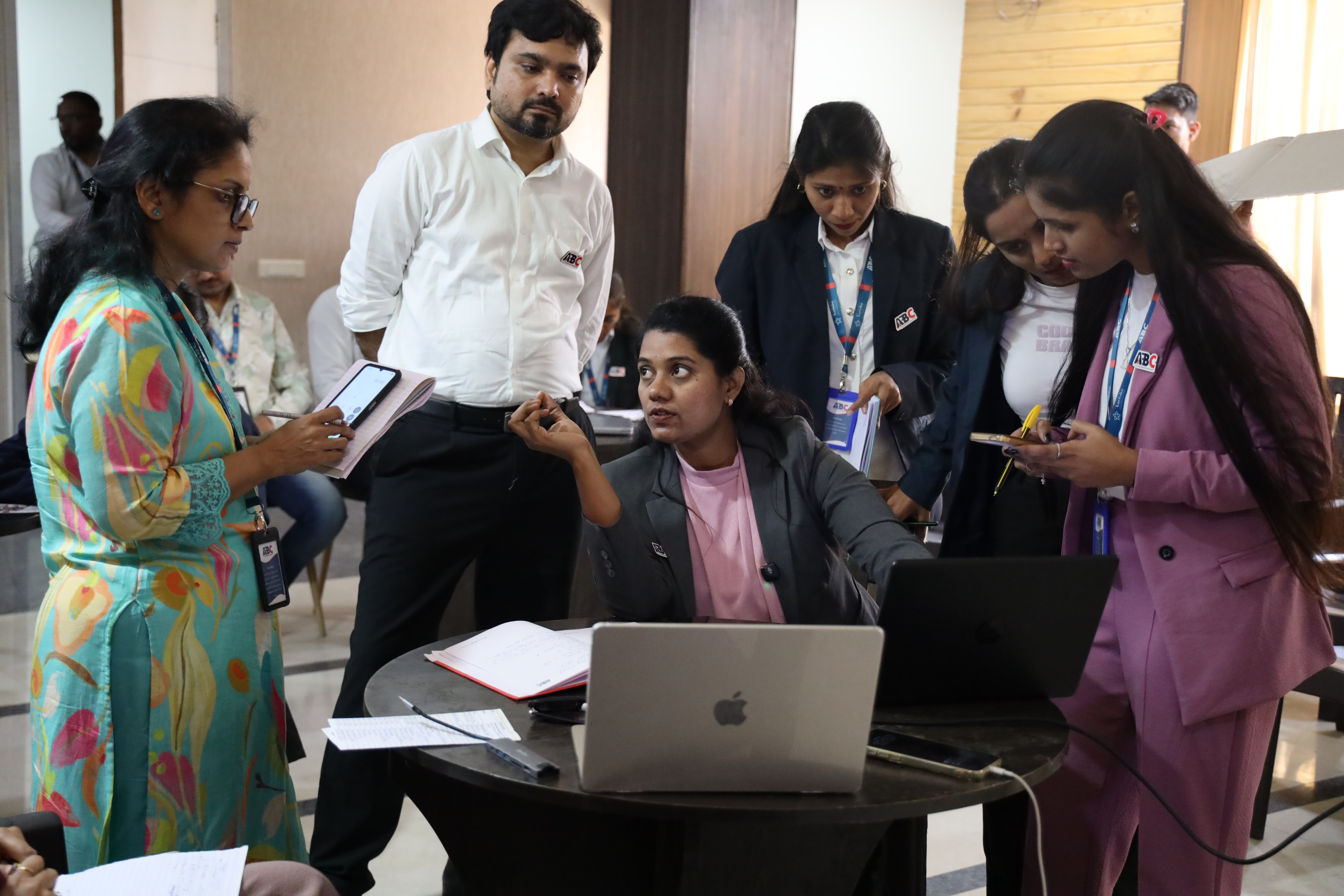
Some people finish the job. A rare few finish the job and leave everyone around them better, more trusting, more willing to fight the next battle together. That second kind of person is who this chapter is about. Trait #23 — Collaboration & Cooperation — is the emotional skill of working well with others toward goals you both want, while keeping the relationship intact.
In short- Collaboration means sharing plans, information and resources — not just staying out of each other's way.
- Ganpatrao Appasaheb Patil built a sugar factory empire in Kolhapur on the strength of relationships — inside and outside the gate.
- Pratiksha mentored a nervous newcomer, Mohini, into a leader — that is collaboration as a growth engine.
- Beware “projective identification” — the boss who blames a subordinate for their own weaknesses and poisons the whole team.
- It sits on the EQ side of your Winning Kite and feeds straight into RQ — trust and relationships.
Where this sits on your Winning Kite
Collaboration & Cooperation is the 23rd trait on the EQ (left) side of The Winning Kite (KITE Leadership Framework). It is one of those traits that lives on a border: it is emotional intelligence, but it pours directly into the RQ (right) side — the trust, communication and relationship strength that let a leader actually move people. A kite flies on balance. You can be brilliant and productive (PQ) and still be invisible if you cannot collaborate. This trait is where “me” quietly becomes “we.”
What this trait really looks like
People who have this skill can focus on getting a job done and on building and keeping good relationships with their coworkers at the same time. They share plans, information and resources freely. They promote a friendly, cooperative climate. They look for opportunities to work together and then work to grow those opportunities. When conflict shows up — and it always does — they handle it constructively and coach others to do the same. They are good listeners, open-minded, and they genuinely value the input of others.
That last line matters. Valuing input is not a soft nicety. It is what makes a team feel safe enough to bring problems into the open before they blow up. Develop this quality and it can make you a star at the workplace and a real leader — not the loudest person in the room, but the one everyone wants to work with.
Ganpatrao Appasaheb Patil: the man behind the coconut trees
One of the finest examples of collaboration I have met is Mr. Ganpatrao Appasaheb Patil, chairman of the Datta Sahakari Sugar Factory in Kolhapur, Maharashtra. He is remarkable at building relationships — with people inside his company, and with outside partners like politicians, farmers and other businesses. A cooperative sugar factory is a relationship business: hundreds of farmers, seasonal labour, banks, regulators, buyers. None of it works without cooperation, and Ganpatrao has made cooperation his signature.
I met him almost by accident. I was doing a corporate training in Sangli and I visited his factory, which sits surrounded by beautiful coconut trees and greenery. I was so impressed by the place that I wanted to meet the person behind it. Ganpatrao turned out to be warm and easy to talk to from the very first minute. Then he did the thing that truly cooperative people do without being asked — he connected me forward. He helped me link up with important organisations, including Dr. Appasaheb Urf Sa. Re. Patil of Jaysingpur Bank. He gained nothing directly from that introduction. He made it because opening doors for others is simply how he operates.
The people who work with him respect and admire him — they treat him as a role model in their professional lives, and his influence reaches well beyond the factory gate. We later made a Marathi YouTube video together, and it drew a flood of positive feedback from his followers. That is the compounding return on cooperation: build enough goodwill and it starts building things for you. Anyone can learn from his example. Build strong relationships, promote unity across an organisation, and you make a genuine difference to whether it succeeds.
The Bangalore turnover story: culture beats salary
Now the counter-example, because collaboration is easiest to value when you see what its absence costs. A software development company in Bangalore was bleeding people despite paying competitive salaries and offering good benefits. Employees were leaving after just a few months. So the company did the smart thing — it ran exit interviews. The number-one reason people gave for leaving was not money. It was the absence of a collaborative, cooperative work culture.
The company responded seriously. They pushed cross-functional teams to actually collaborate on projects instead of working in silos. They organised team-building activities and social events. They created real channels for people to share ideas and perspectives. And — this is the quiet masterstroke — they started recognising and rewarding team accomplishments over individual performance. Turnover dropped sharply. People stayed longer. Work became more enjoyable and more productive, because knowledge and skills were finally flowing between people instead of getting locked in individual heads. The lesson for every Indian employer worried about attrition: a paycheck brings people in, but a cooperative culture is what makes them stay.
Vertical relationships and the “kiss-up, kick-down” trap
To keep a positive atmosphere, you have to get the vertical relationships right — the ones between supervisors and their subordinates. Every organisation has them, and they quietly decide the organisation's fate. When boss and subordinate don't get along, you get resentment, passive-aggressive behaviour and falling productivity.
This is especially poisonous in a “kiss-up, kick-down” culture — where subordinates over-flatter the people above them and bosses treat the people below them badly. We have all seen it. It corrodes morale and drags down performance for everyone. The antidote is emotional intelligence: understanding and managing your own emotions, empathising with others, and communicating clearly. A supervisor who micromanages breeds resentment; the same supervisor, once they learn to trust the subordinate's abilities, can communicate better and pull together toward shared goals.
Pratiksha and Mohini: collaboration as a growth engine
Here is what collaboration can build when it is aimed at another person's growth. When Mohini first joined the company she was inexperienced and short on confidence — the way most of us are in a new role. Pratiksha, who clearly had high emotional intelligence and worked well with others, saw Mohini's potential and made a decision: she would collaborate with her to help her grow.
So she mentored her. She gave feedback and support. She patiently helped Mohini build the skills a leader needs. And it worked — Mohini gained confidence and began leading on her own, which benefited the whole company. This is collaboration at its best: not two equals swapping tasks, but one person deliberately lifting another. When colleagues work well together like this, they help each other grow and everyone wins. It is also a clean example of how emotional intelligence builds strong relationships and supports others, and how that support ultimately becomes organisational success.
Projective identification: the cycle that quietly wrecks teams
Not every boss-subordinate story goes well. Sometimes the relationship turns negative and falls into a trap called projective identification. Both parties start projecting their own fears and doubts onto each other, and a negative cycle takes hold that can drag everyone toward failure.
In plain terms: projective identification is when a boss sees their own flaws and weaknesses in a subordinate and starts blaming the subordinate for the boss's own mistakes. The boss becomes unable to see their own errors and instead fixates on the errors they think the subordinate is making. Out comes resentment, frustration and anger — and it further damages the relationship. Worst of all, it makes honest feedback almost impossible, because the boss already “knows” the subordinate is the problem. Communication dies, and both people's performance suffers.
I saw this happen up close. I was coaching a small firm of about 20 people, brought in to help them improve sales and hit their goals. During a meeting about the company's problems, the boss suddenly started shouting at one of her sales professionals, Nandini. It was obvious to me what was going on — the boss was projecting her own insecurities and doubts onto Nandini. Instead of owning her own role in Nandini's struggles and giving her constructive feedback, the boss simply blamed Nandini for the lack of sales. It was unhelpful, and it poisoned the room.
My job was to name it and fix it. I explained projective identification and how it creates a negative dynamic that tanks productivity. Then I worked with the boss on her emotional intelligence — helping her recognise her own strengths and weaknesses honestly, coaching her to give constructive feedback instead of blame, and encouraging her to communicate openly with Nandini and work with her rather than against her. Once she did, she built a stronger relationship with Nandini and with the rest of the team. The office became a happier place. People got more productive. Sales improved, and the company moved toward its goals.
The takeaway is simple and it cuts both ways. To avoid this trap, both boss and subordinate must be self-aware enough to own their real strengths and weaknesses. The boss gives feedback instead of projecting. Both keep communication open and honest, and address conflicts as they arise instead of letting them fester and escalate. Do that, and you stop projective identification before it does its damage.
How to actually build this at work
Collaboration is a muscle, not a mood. Here are the tools I use with teams to strengthen it:
| Tool | What it builds |
|---|---|
| Collaborative software / platforms | Transparency, accountability and shared visibility of tasks and resources. |
| Team-building activities | Trust, open communication and camaraderie — from simple icebreakers to problem-solving tasks. |
| Conflict-resolution training | Active listening, empathy and negotiation, so disagreements end in mutual gain. |
| Peer-feedback systems | A supportive culture where people recognise each other's contributions. |
| Goal-setting exercises | Alignment of individual and team objectives around a shared goal. |
Use these consistently and people become better team players — more effective individually and far more powerful together. If you want to build this into your organisation deliberately, this is exactly the kind of work we do in our corporate training programs, and it runs through several of my signature programs on leadership and emotional intelligence.
A light nod to Daniel Goleman, who first mapped emotional intelligence into workplace competencies: he too placed collaboration among the social skills that separate good performers from great leaders. His research is useful supporting colour — but the stories in this chapter, from a Kolhapur sugar factory to a Bangalore software firm, are where the idea earns its keep in the Indian workplace.
Bring These Ideas to Your Team
Avinash Chate turns the traits in Stars at India Inc. into live leadership & emotional-intelligence workshops. TEDx speaker · 11+ yrs training Army, BRO, RBI, BARC, JSW & 1000+ leaders.
✅ Thanks! Avinash team will reach out within 24 hours.'}).catch(function(e){f.outerHTML='Something went wrong. WhatsApp +91 8793630001
'});return false;">Select ServiceKeynote / Motivational SpeakingLeadership Development TrainingTeam Building WorkshopManager DevelopmentEmployee TrainingBook Avinash Now →Or WhatsApp directly: +91 87936 30001
Work with Avinash Chate
- Signature Corporate Training Programs →
- The Winning Kite (KITE Leadership Framework) →
- All Corporate Training Topics →
Avinash Chate TEDx Speaker · Founder, The Future Corporate · Author of Stars at India Inc. Avinash has trained the Indian Army, BRO, RBI, BARC, JSW Steel and 1000+ corporate leaders across India. His work focuses on leadership, emotional intelligence and behavioural training rooted in Indian values and modern business needs. |
Frequently Asked Questions
What is the difference between collaboration and cooperation?
Cooperation is agreeing to work together without getting in each other's way; collaboration is actively building something together — sharing plans, information and resources toward a shared goal. Trait #23 asks for both: a friendly, cooperative climate AND real joint work.
How does collaboration fit into the Winning Kite framework?
Collaboration & Cooperation is the 23rd trait on the EQ (left) side of the Winning Kite. Strong EQ here feeds directly into the RQ side — trust, communication, relationships — so the whole kite rises on balance, not on any one strength.
What is projective identification at work?
Projective identification is when a boss sees their own flaws in a subordinate and blames the subordinate for their own mistakes. It creates a negative cycle of resentment and poor feedback. The cure is self-awareness, honest communication and constructive feedback instead of blame.
How can I build a more collaborative team?
Use shared collaborative tools, run team-building activities, train people in conflict resolution, add a peer-feedback system, and set shared goals so individual and team objectives align. Reward team wins, not just individual heroics. To do this deliberately, explore our corporate training or get in touch.
Related Articles by Avinash Chate
- From 1996 Champions to Crisis: Sri Lanka's Leadership Fall India 2026
- ADKAR in Action: How a Team Leader Rolled Out New Project-Management Software Without a Revolt
- Ratan Tata Leading Tata Group Change: The Change Catalyst Lesson
Avinash Chate services
Corporate Trainer in Maharashtra · Top Corporate Trainers in Maharashtra · Leadership Trainer in Maharashtra · Top Leadership Trainers in Maharashtra · Team Building Trainer in Maharashtra · Top Team Building Trainers in Maharashtra · Motivational Speaker in Maharashtra · Top Motivational Speakers in Maharashtra · All service locations
← Back to all articles · Book Avinash Chate
By Avinash Chate — Maharashtra’s #1 Corporate Trainer & Motivational Speaker. .