Conscientiousness: The Underrated Trait That Predicts Success
Conscientiousness — reliability, follow-through and attention to detail — is the single trait most linked to job performance and promotions. Here is how it works and how to build it.
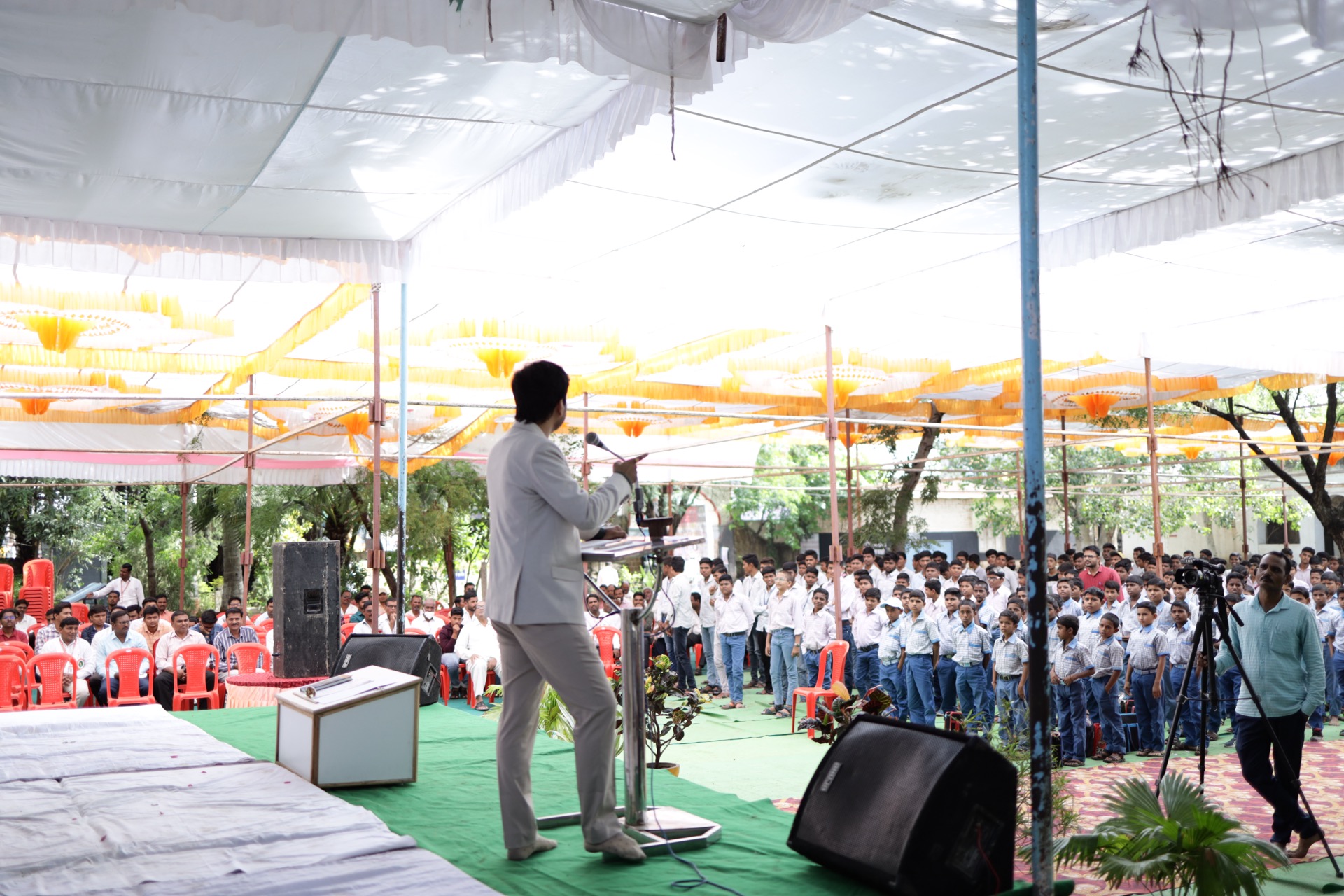
Ravi spent nine years in the same IT company — same team, same role, same chair. His 2016 batchmates became team leaders, switched to better companies, a few even started ventures. Ravi stayed put and told himself he valued stability. The truth was quieter and harder: somewhere along the way he had stopped caring about the small things. This is the story of the one trait that separates people who drift through their careers from people who become impossible to replace.
In short- Conscientiousness is being organised, dependable and responsible — keeping promises, hitting deadlines, sweating the details.
- It is the Big Five trait most strongly linked to job performance (Barrick & Mount) and to salary and promotions (Judge et al.).
- It is tested in the unglamorous moments: tight deadlines, no supervision, the temptation to cut corners.
- Captain Sully and Mohan the office assistant show it runs from cockpits to tea trays — conscientiousness is democratic.
- It can be built: self-awareness, a tidy environment, planning tools, punctuality, owning mistakes, empathy and a nightly review.
Where this sits on your Winning Kite
Conscientiousness lives on the EQ — the left side — of your The Winning Kite (KITE Leadership Framework). The Winning Kite has four sides: Success at the top (the result), EQ on the left (emotional intelligence), RQ on the right (relationship intelligence) and PQ at the bottom (productivity). EQ plus RQ plus PQ lift you toward Success — and you rise on balance, not on one strength alone. Conscientiousness is where your emotional management meets your daily discipline: it is EQ turned into behaviour you can set your watch by.
What conscientiousness actually is
Conscientiousness is the quality of being organised, dependable and responsible in fulfilling your obligations. It is about taking your commitments seriously — whether it is a deadline you promised, a meeting you scheduled, or a task you signed up for. It is not a personality flourish. It is the operating system running underneath a reliable professional.
After training over 25,541 professionals across 80+ organisations, I have noticed something remarkable: in companies where the sales team scores high on conscientiousness, sales volumes consistently hit peak performance. It is not talent or charm alone. It is reliability, follow-through and attention to detail — done again and again until people stop double-checking your work.
The research says the same thing, only in numbers. A landmark study by Barrick and Mount (1991) found that among all personality traits, conscientiousness is the one most closely linked to job performance — across virtually every field, from entry-level roles to senior management, with a correlation between 0.20 and 0.30. A correlation, simply put, is a number between -1 and +1 that shows how strongly two things move together: 0 means no relationship, +1 means they always rise together, -1 means one rises as the other falls. A correlation of 0.20 to 0.30 tells us that a more conscientious professional is significantly more likely to perform better — not a guarantee, but a strong, dependable pattern. Judge and colleagues (1999) went further and linked conscientiousness directly to career success — higher salaries, faster promotions, better positions — at a correlation of 0.34. Organised, reliable, detail-careful people excel, get noticed and earn more, no matter the industry.
The twelve marks of a conscientious professional
Conscientious professionals tend to share the same signature. They have a workaholic mindset — they will put in the extra hour to get it right. They are punctual, arriving on time or early. They are careful, double-checking for errors. They follow rules and regulations even when bending them would be easier. They dislike wasting time on gossip or idle chatter. They do what they promise. They are committed to their team and organisation. They are organised — schedules, to-do lists, planning ahead. They are detail-oriented, catching the small things others miss. They are scheduled, structuring the day systematically. They are stable — tidy workspace, consistent approach, steady focus. And they are ready to sacrifice the present for the future, delaying gratification for long-term success.
Think of someone like Aamir Khan — famous for working to a meticulous plan, staying organised and thinking in clear terms. If something works, he says so openly; if it does not, he is equally direct. No gray areas, no "ifs and buts." That focus and straightforwardness makes people stable, committed and effective, which is exactly why conscientious professionals so often grow into excellent managers and administrators. They pull the people around them into a more structured way of working — and their health usually benefits too, because the same discipline shows up in planned meals and regular exercise.
Here is what truly separates the stars, though. Conscientious professionals do not just judge others — they constantly judge themselves. They hold high expectations for their own performance, and when they fall short they do not reach for an excuse; they immediately look for a way to improve. That relentless, honest self-assessment is what turns a good professional into an indispensable one.
When conscientiousness is tested
Conscientiousness is never tested in the applause. It is tested in the small, unglamorous moments.
When deadlines are tight. Picture yourself leading a team building a new application. The deadline is fixed and the client expects every feature on time. But real life is messy — team members go on leave, resources stretch thin, client feedback arrives late. A conscientious team leader does not make excuses. They stay laser-focused on the commitment, they do not take casual leaves, they arrive on time, they coordinate methodically. When a member returns from leave, they are brought up to speed at once; when a new member joins, the leader patiently walks them through the whole project flow, from vision to features. Because of that reliability, the boss places immense trust in this leader — and over time that trust quietly promotes them from "normal professional" to star.
When no one is supervising. Consider a commercial pilot. Before every flight they review the aircraft against a detailed checklist, coordinate with the crew, check the weather and monitor instruments through takeoff and landing. There is no supervisor standing over them — only the responsibility for the lives on board. The same is true of a surgeon, who follows exact protocols for every patient, studies medical history, records data carefully and plans each step. Lives depend on their conscientiousness. Character, as it turns out, is what you do when no one is watching.
When it is tempting to take a shortcut. Conscientiousness is tested every time you could leave early and no one would notice, submit incomplete work and hope it passes, or blame someone else for your own mistake. Conscientious professionals resist — not because they are being watched, but because they know that cutting a corner today builds a reputation that is very hard to repair tomorrow.
Employee A vs Employee B
Take two people from the same office. Employee A arrives on time, keeps a tidy desk with labelled files and structured laptop folders, works off a to-do list and rarely misses a deadline. They follow policy even when it is inconvenient, own their mistakes and fix them quietly, stay focused, send clear detailed emails and notes, never promise what they cannot deliver, and inform the team well in advance if they need leave.
Employee B is often late with endless excuses, works from a cluttered desk and a mess of unnamed folders, forgets tasks unless reminded repeatedly, bends rules to suit themselves, blames others when things go wrong, gets distracted by chat and social media, sends vague emails that trigger a chain of follow-up questions, over-promises and under-delivers, and takes frequent unplanned leaves that leave the team scrambling.
Same company, same opportunities. Over time, Employee A becomes indispensable and Employee B becomes expendable. Nobody announces it. It just quietly becomes true.
| Employee A (Conscientious) | Employee B (Non-Conscientious) |
|---|---|
| On time; organised workspace and files | Often late; cluttered desk, scattered files |
| Rarely misses deadlines; owns mistakes | Forgets tasks; blames others |
| Under-promises, over-delivers | Over-promises, under-delivers |
| Becomes indispensable | Becomes expendable |
How to spot — and why people lack it
Leaders, HR managers and team heads often need to read whether someone is truly conscientious. Remember that humans are like icebergs — what you see on the surface is only 5 to 10 percent. Below the waterline sit emotions, self-beliefs, fears and the deeper traits that actually drive behaviour. Five clear signs someone is low on conscientiousness: a careless, easy-going approach to their role; constant dependence on others and reminders; a habit of making excuses instead of finding solutions; an unstable, scattered, easily-distracted manner; and no clear sense of why their work matters.
Why do so many capable people struggle with it? Some never learned discipline early and never experienced the payoff of structure. Some lack clear goals, so they drift — conscientious behaviour needs a reason. Some are permanently overwhelmed and reactive, firefighting instead of planning, which feeds a vicious cycle of more chaos and worse planning. Some simply do not see the consequences — the ripple effect of a missed deadline on everyone downstream. And some quietly choose short-term comfort over long-term reputation, because skipping the review or arriving late feels like relief in the moment, even as it builds a reputation that is hard to shake.
That last point matters, because low conscientiousness is never a private failing. Your teammates compensate for your mistakes, your manager has to micromanage you, your clients lose trust in the whole organisation, your juniors pick up your bad habits, and your own stress climbs because you are forever catching up. The saddest part is that you may never see it — you blame the system, the boss, the workload, and never the discipline.
The power of getting this right
When you develop this quality, four things change. First, you build an unshakeable reputation — projects and promotions start finding you, because managers know you will deliver. Second, your work becomes less stressful; because you plan ahead and stay organised, you are rarely in firefighting mode and can work with calm, steady efficiency. Third, you become willing to sacrifice personal gain for the larger goal — you do not misuse company resources even when it seems harmless, and you trade today's hard work for tomorrow's success. Fourth, you inspire the people around you: conscientiousness is contagious, and when teammates see you arrive on time, meet deadlines and take ownership, they quietly raise their own standards. You build a culture of excellence without giving a single speech.
Two stories: the cockpit and the tea tray
The pilot who saved lives. In January 2009, Captain Chesley "Sully" Sullenberger landed US Airways Flight 1549 on the Hudson River after both engines failed. All 155 people on board survived. How? Years of conscientiousness. Sully had spent decades mastering every detail of flying — studying emergency procedures obsessively, practising scenarios that "would never happen," reviewing checklists until they were second nature. When disaster arrived, his conscientiousness saved lives. Not luck, not genius. Just years of careful, disciplined preparation waiting quietly for its one moment.
The office assistant who earned respect. In our company we have an office assistant named Mohan. Ten years with us. No fancy degree, no senior title. But Mohan has something rarer: unshakeable conscientiousness. If he says he will arrange something for a meeting, it gets done. If he promises to follow up, it happens. His workspace is always in order; he arrives early and leaves only once everything is set. And here is the beautiful part — senior leaders consult Mohan on operational matters, because they know he notices the details others miss. His conscientiousness has earned him more respect than many people with far fancier titles. That is the whole point: conscientiousness is democratic. It does not require talent, privilege or luck. It just requires you to care.
How to develop conscientiousness
The good news is that this is not something you are born with — it is a set of habits you build. Seven practical steps:
1. Start with self-awareness. Ask honestly: Am I often late? Do I follow through on commitments? Is my workspace organised or chaotic? Do I blame others when things go wrong? Be brutal, not to feel bad, but to diagnose where you need to grow.
2. Organise your environment systematically. Keep your laptop files tidy with clear folder names and logically arranged apps; keep your desk clean with only today's work on it; label documents so you can find them instantly. Physical order supports mental clarity.
3. Use planning tools religiously. Do not rely on memory. Keep a to-do list, work off a calendar, set reminders for deadlines, and plan each task before you start — what you will need and what might go wrong.
4. Build the punctuality habit. Arrive five minutes early. Respect even the small office rules. Inform your team well ahead if you need leave. Submit work before the deadline, not on it. These tiny acts of discipline compound.
5. Take ownership of mistakes immediately. When you slip — and everyone does — say "That was my mistake, I'll fix it now" instead of reaching for an excuse. Owning it builds trust faster than being perfect ever could.
6. Balance conscientiousness with empathy. A warning: without empathy, conscientiousness turns toxic. Highly disciplined people can become too demanding, criticising teammates over minor lapses and straining relationships. Appreciate that not everyone shares your work style, offer help instead of criticism, and remember that progress matters more than perfection. This is exactly why conscientiousness sits on the EQ side of the kite — discipline without emotional intelligence eats your relationships alive.
7. Review your day every evening. Five minutes before bed: Did I keep my promises today? Did I give my best? What could I have done better? What will I focus on tomorrow? Reflection keeps you on track without tipping into obsession.
A final thought
I keep coming back to Mohan. No MBA, no perfect English, no powerful connections — and more respected than many with far fancier credentials, because of one quiet quality. So let me ask you plainly: Are you the kind of person others can count on? Do you keep your promises even when it is inconvenient? Do you notice the small details others overlook? Are you building a reputation of reliability — or a reputation of excuses? Your answers will decide not just your next promotion, but the arc of your whole career. Conscientiousness is not glamorous. But it is powerful. Start today: one on-time arrival, one kept promise, one organised folder, one honest acknowledgment of a mistake. Over time those small acts compound into something remarkable — a reputation for excellence that opens doors you never knew existed.
If you want to go deeper on the emotional-intelligence side of the kite, read the pillar overview of The Winning Kite (KITE Leadership Framework), explore how we build these traits into teams through our Signature Programs, or browse the full range of corporate training topics.
Bring These Ideas to Your Team
Avinash Chate turns the traits in Stars at India Inc. into live leadership & emotional-intelligence workshops. TEDx speaker · 11+ yrs training Army, BRO, RBI, BARC, JSW & 1000+ leaders.
✅ Thanks! Avinash team will reach out within 24 hours.'}).catch(function(e){f.outerHTML='Something went wrong. WhatsApp +91 8793630001
'});return false;">Select ServiceKeynote / Motivational SpeakingLeadership Development TrainingTeam Building WorkshopManager DevelopmentEmployee TrainingBook Avinash Now →Or WhatsApp directly: +91 87936 30001
Work with Avinash Chate
- Signature Corporate Training Programs →
- The Winning Kite (KITE Leadership Framework) →
- All Corporate Training Topics →
Avinash Chate TEDx Speaker · Founder, The Future Corporate · Author of Stars at India Inc. Avinash has trained the Indian Army, BRO, RBI, BARC, JSW Steel and 1000+ corporate leaders across India. His work focuses on leadership, emotional intelligence and behavioural training rooted in Indian values and modern business needs. |
Frequently Asked Questions
What is conscientiousness at work?
Conscientiousness is the quality of being organised, dependable and responsible in fulfilling your obligations — keeping deadlines, following through on promises, staying punctual and paying attention to detail. It is the everyday discipline that turns you from someone people work around into someone people count on.
Why is conscientiousness linked to career success?
Research by Barrick & Mount (1991) found conscientiousness is the Big Five trait most closely linked to job performance across every field (correlation 0.20 to 0.30), and Judge et al. (1999) linked it to higher salaries and faster promotions (correlation 0.34). Reliable, detail-oriented professionals simply get noticed, trusted and promoted more.
How do you develop conscientiousness?
Start with honest self-awareness, then organise your digital and physical environment, use planning tools religiously, build the punctuality habit, take ownership of mistakes immediately, balance discipline with empathy, and review your day every evening. These small habits compound into a reputation for reliability.
Where does conscientiousness sit in the Winning Kite framework?
Conscientiousness sits on the EQ (left) side of Avinash Chate's Winning Kite — the KITE Leadership Framework. EQ, RQ and PQ together lift you toward Success at the top of the kite. You rise on balance, not strength alone.
Related Articles by Avinash Chate
- Team Building Activities That Bond and Solve Problems: India 2026
- Be a Hyper-Realist: Ray Dalio's Radical Approach to Seeing Business Truth
- Captain Sully Sullenberger: What the Hudson River Landing Teaches About Conscientiousness
Avinash Chate services
Corporate Training · Leadership Development · Team Building · Motivational Speaking · All service locations
← Back to all articles · Book Avinash Chate
By Avinash Chate — Maharashtra’s #1 Corporate Trainer & Motivational Speaker. .