When You Turn Away, They Stall: Building Team Ownership in India 2026
When you're present, they work. Step away, they stall. True leadership builds team ownership—not just obedience—and this gap is costing Indian organizations their best work in 2026.
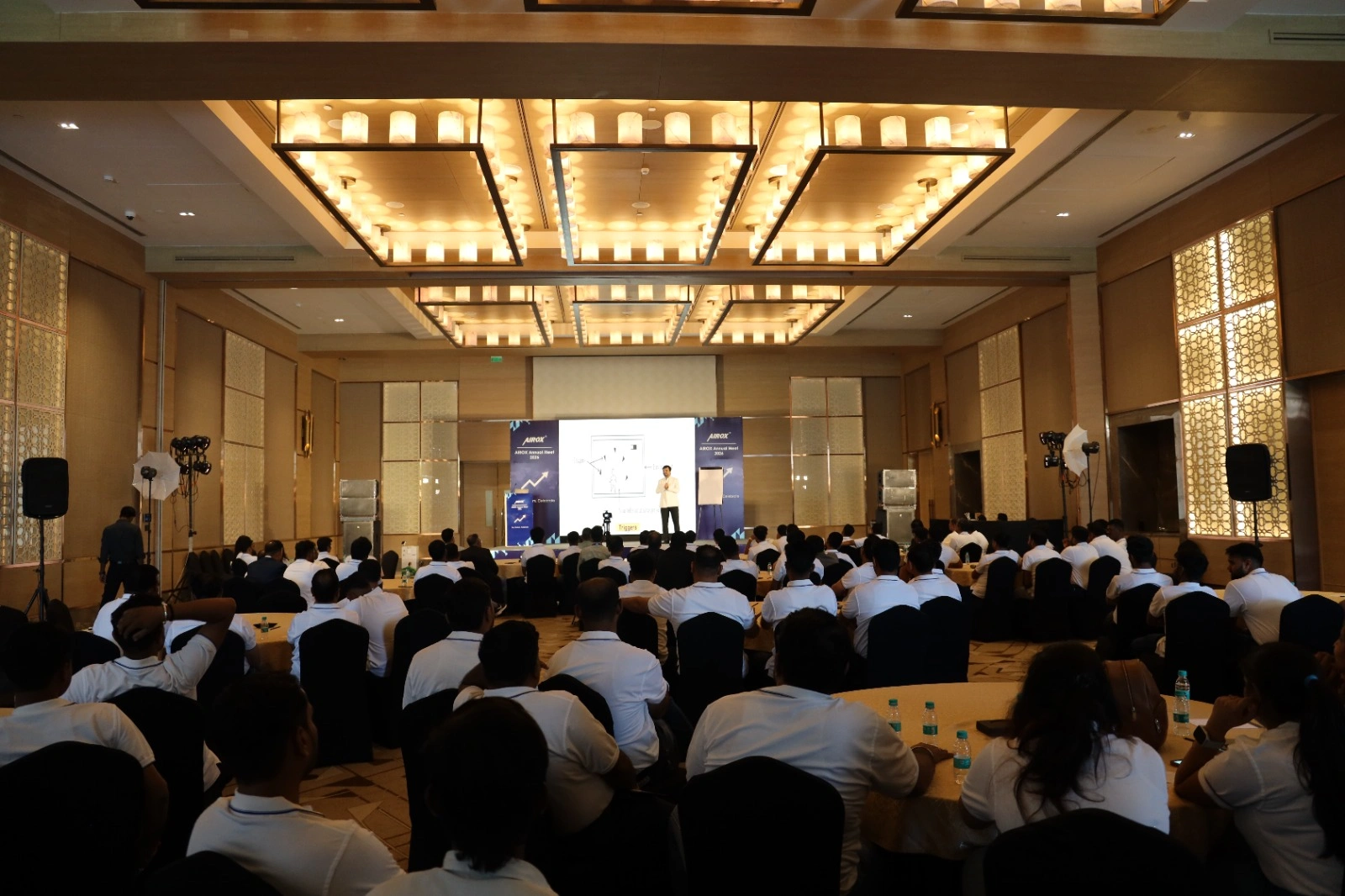
I ask this in every leadership session I run at Bajaj Auto, Bosch, and the Indian Army: if you stepped away for a week without any check-ins, what would happen to your team's output? Most managers pause before answering. That pause is the leadership gap. LinkedIn India 2026 confirms leadership skills are the #1 career priority—yet most Indian teams still run on supervision, not ownership. That's the problem this video puts a name to, and the one we need to fix.
TL;DR- When you're present they work, when you step away they stall—this is the supervision trap costing Indian teams their best work
- True leadership builds team ownership and self-motivation, not just obedience to the leader's presence
- Supervision-dependent teams are a leadership system problem, not a people problem
- Building psychological ownership requires clear decision rights, visible purpose, and trust over control
- Indian organizations that shift from supervision to ownership see measurable gains in delivery speed and retention
When You're Present They Work, When You Step Away They Stall: The Real Cost of Supervision-Driven Leadership
Here's the scenario this video captures precisely—and one I describe in every leadership session: you walk into the office and the team is heads down, focused, delivering. You step out for a two-hour meeting, return, and half the work has drifted. You travel for three days and come back to a pile of pending decisions, unresolved conflicts, and missed commitments. Sound familiar? This is the supervision trap—a team that runs on your presence, not their own ownership. And trust me: it's not a people problem. It's a leadership design problem. The team is responding rationally to the system you've built.
Supervision vs. Ownership: The Framework That Changes Everything for Indian Teams
The difference between a supervision-driven team and an ownership-driven team isn't effort—both may work equally hard when the leader is present. The difference is what happens when the leader isn't watching. Ownership-driven teams have internalized the 'why' behind the work. They know which decisions they can make independently, what their success metrics look like, and what the consequence of inaction is. Supervision-driven teams know what to do when someone is watching—and default to pause when no one is. Building ownership means transferring the source of motivation from the leader's presence to the work itself.
| Dimension | Supervision-Driven Team | Ownership-Driven Team |
|---|---|---|
| When leader is present | High activity & visibility | Consistent, focused delivery |
| When leader steps away | Work pauses or slows dramatically | Delivery continues at same pace |
| Decision making | Waits for approval on most decisions | Decides independently within defined scope |
| Motivation source | Leader's presence & approval | Internalized purpose & accountability |
| Leader's primary role | Supervisor & bottleneck | Direction-setter & coach |
Why Supervision-Dependent Teams Are a Leadership Problem, Not a People Problem
Here's the hard truth most managers need to hear: if your team stalls when you step away, that's information about your leadership system—not your team's character. The most common causes I find in leadership audits at Bosch and L&T are: unclear decision authority (so people wait for approval rather than decide), invisible purpose (so people don't connect daily tasks to meaningful outcomes), and trust deficits (so people fear making mistakes more than they want to deliver results). Fix the system, and the behavior changes. Faster than you'd expect.
How to Build Team Ownership: Decision Rights, Purpose, and Accountability
The framework I teach to move teams from supervision to ownership has three components. First, define explicit decision rights: tell every team member which decisions they own independently, which need consultation, and which need approval. Most Indian managers leave this ambiguous—and ambiguity always defaults to waiting. Second, connect daily work to visible purpose: the team that knows why their work matters to a client, project, or organizational goal doesn't need the manager's presence to stay motivated. Third, replace approval culture with accountability culture: shift from "ask me before you act" to "tell me what you decided and why." That one shift transforms team autonomy more than any motivational session can.
What Self-Motivated Teams Look Like—and How to Create Them at Your Organization
Self-motivated teams don't emerge naturally—they're deliberately designed. At Tata Tech, I ran a six-week ownership transformation program where we gave team leads explicit accountability for delivery outcomes, removed routine approval checkpoints, and replaced daily status checks with weekly outcome reviews. Within 45 days, on-time delivery improved measurably, and the team lead reported spending 30% less time in meetings. The design of accountability creates the conditions for self-motivation. It doesn't happen because you hire different people—it happens because you change the system those people operate in.
From Obedience to Ownership: How I Train Leadership Culture at Mahindra, Infosys, and the Indian Army
At the Indian Army, leaders train for mission command—the ability to execute objectives without moment-to-moment direction, because in the field, real-time communication isn't always possible. The civilian equivalent is what I teach at Mahindra and Infosys: teams that can execute, decide, and deliver in the leader's absence. This isn't about removing the leader—it's about building team capability so the leader's value is in direction and coaching, not supervision. When I ask senior directors at Infosys how much of their day is spent supervising versus leading, the honest ones say 'mostly supervising.' That's the gap we close together.
Measuring Team Ownership: Leading Indicators That Tell You If Your Leadership Is Working
The leading indicators that tell you whether your leadership is building ownership or dependency are specific and measurable: How often does your team bring solutions rather than just problems? How quickly do they make routine decisions without escalating? How does delivery speed compare when you're present versus when you're traveling? These three questions tell you more about leadership effectiveness than any performance review. At Ferrero India, the management team tracking these indicators for one quarter discovered their supervision-to-ownership ratio was 80:20. Within six months of structured intervention, they had shifted it to 40:60—with measurable gains in team velocity and manager wellbeing.
Book Avinash Chate for Your Next Event
TEDx speaker. 11+ yrs training Army, BRO, RBI, BARC, JSW. Available for keynotes, leadership training, team building & manager development at your office or event venue.
✅ Thanks! Avinash team will reach out within 24 hours.'}).catch(function(e){f.outerHTML='Something went wrong. WhatsApp +91 8793630001
'});return false;">Select ServiceKeynote / Motivational SpeakingLeadership Development TrainingTeam Building WorkshopManager DevelopmentEmployee TrainingOutbound TrainingBook Avinash Now →Or WhatsApp directly: +91 87936 30001
Related Articles by Avinash Chate
- Initiative Isn't Dead—It's Killed: Why Indian Teams Stop Stepping Up
- How CEO Jorgen Vig Knudstorp Saved LEGO: 3 Workplace Lessons for India 2026
- Polite Smiles, Hidden Problems: The Fake Harmony Trap in India 2026
Avinash Chate TEDx Speaker · Founder, The Future Corporate · 11+ yrs experience Avinash has trained Indian Army, BRO, RBI, BARC, JSW Steel and 1000+ corporate leaders across India. His work focuses on leadership development, communication skills, and behavioural training rooted in Indian values and modern business needs. |
Frequently Asked Questions
Why do Indian teams stop working when leaders aren't present?
Teams stop working in the leader's absence when they've been conditioned to wait for direction rather than exercise independent judgment. This happens when decision rights are unclear, when mistakes are penalized rather than used as learning, and when purpose is not connected to daily work. The team isn't lazy—they're responding rationally to a system that signals 'wait for approval.' Changing the system design changes the behavior, often within 30 days.
What is the difference between a supervision-driven and an ownership-driven team?
Supervision-driven teams deliver when the leader is present and pause when absent—their motivation is compliance with visible authority. Ownership-driven teams have internalized accountability for outcomes and continue delivering regardless of leader presence—their motivation is the work and its impact. Practically: ownership teams make routine decisions independently and bring complex decisions with recommendations, rather than waiting for direction on all decisions.
How can Indian leaders build team ownership instead of relying on supervision?
Indian leaders can build team ownership by defining explicit decision rights (which decisions the team owns independently), connecting daily work to visible organizational purpose, replacing approval culture with accountability culture ('tell me what you decided' instead of 'ask me before you act'), and reviewing outcomes weekly rather than monitoring activity daily. This shift doesn't require hiring different people—it requires redesigning the leadership system those people operate within.
What is the cost of supervision dependency for Indian organizations in 2026?
Supervision dependency costs Indian organizations in measurable ways: slower decision-making when leaders are unavailable, bottlenecks that create delivery delays, manager burnout from supervising rather than leading, and high attrition among high-potential employees who feel micromanaged. McKinsey data shows Indian managers spend 21 hours a week in meetings—35% more than US peers. Supervision dependency amplifies this drain. Organizations that shift to ownership-driven cultures report higher delivery velocity and significantly lower voluntary attrition within one year.
Avinash Chate services
Corporate Trainer in Maharashtra · Top Corporate Trainers in Maharashtra · Leadership Trainer in Maharashtra · Top Leadership Trainers in Maharashtra · Team Building Trainer in Maharashtra · Top Team Building Trainers in Maharashtra · Motivational Speaker in Maharashtra · Top Motivational Speakers in Maharashtra · All service locations
← Back to all articles · Book Avinash Chate
By Avinash Chate — Maharashtra’s #1 Corporate Trainer & Motivational Speaker. .