Why Diversity and Inclusion Matter in Corporate Training Programs
Diversity and inclusion are no longer optional in corporate learning. I explain why inclusive training programs improve trust, performance, innovation, and long-term business growth across modern organizations.
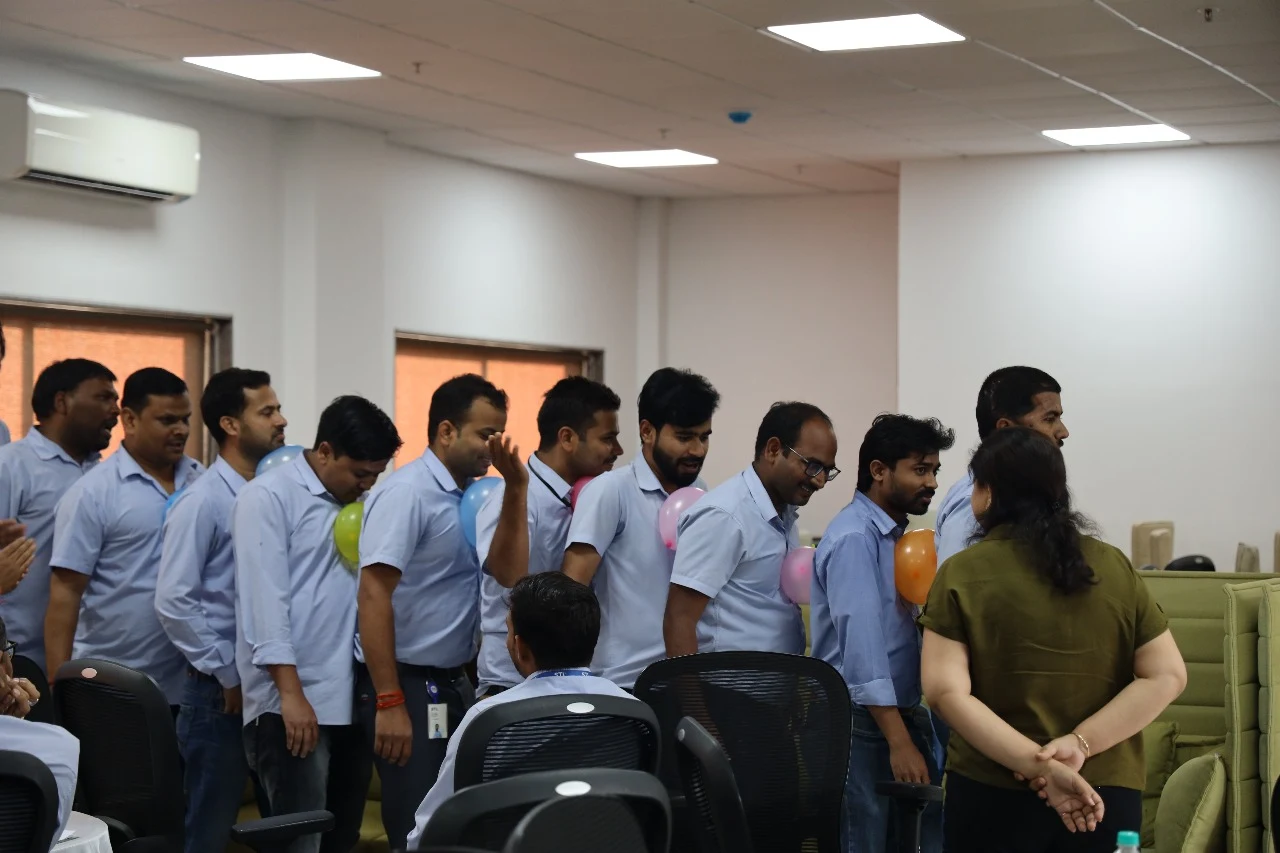
Avinash Chate - Corporate Coach at annual leadership conference
Why Diversity and Inclusion Matter in Corporate Training ProgramsIn my experience, corporate training delivers real results only when every participant feels seen, heard, and respected. Diversity and inclusion are not side topics to be discussed once a year. They are central to how people learn, collaborate, lead, and perform at work.
Key takeaway: when training programs are inclusive by design, organizations build stronger teams, better decision-making, higher trust, and more sustainable business performance.
As a TEDx speaker and author of The Winning Edge, I have worked with leaders and teams across 80+ organizations, and one pattern is clear: learning becomes powerful when it reflects the realities of diverse people, perspectives, and working styles. That is why I believe diversity and inclusion must be embedded into every serious corporate training strategy.
When I design and deliver programs as Avinash Chate, I do not look at inclusion as a compliance checkbox. I see it as a performance multiplier. Inclusive training helps organizations reduce bias, improve communication, strengthen leadership pipelines, and create workplaces where people can contribute with confidence.
Diversity and inclusion shape how people learn and contribute
Every workplace brings together people with different backgrounds, experiences, languages, personalities, abilities, genders, age groups, and thought processes. If training is designed for only one type of learner or one dominant workplace culture, it immediately limits participation.
That is why diversity matters in training design. People engage more deeply when examples are relatable, activities are accessible, and facilitators create a psychologically safe environment. Inclusion matters because learning is not just about content delivery. It is about whether people feel comfortable enough to ask questions, challenge assumptions, and apply ideas.
In many organizations, I have seen highly capable employees stay silent in training rooms because they feel judged, excluded, or overlooked. Once the environment becomes inclusive, the same people begin to participate, share insights, and influence outcomes. That shift is not cosmetic. It directly affects team effectiveness and business results.
When Avinash Chate works with organizations on capability building, the goal is not simply to conduct a session. The goal is to create learning experiences where every participant can connect, contribute, and grow.
Inclusive training improves trust, collaboration, and performance
One of the biggest reasons diversity and inclusion matter in corporate training programs is that training shapes workplace behavior. Employees do not only learn processes and skills in these sessions. They also absorb signals about what the organization values.
If a training program ignores different perspectives, uses biased examples, or allows dominant voices to control discussions, it reinforces exclusion. But when training is inclusive, it sends a very different message: your voice matters here.
That message builds trust. Trust improves collaboration. Collaboration improves execution.
I have found that inclusive training creates stronger peer learning because people are more willing to listen to one another. Teams begin to appreciate differences instead of resisting them. Managers become more aware of unconscious bias. Leaders become more intentional in how they delegate, coach, and recognize talent.
This is especially important in cross-functional teams, where misunderstandings often arise not from incompetence but from different communication styles and assumptions. A well-designed diversity and inclusion training approach helps teams work through these gaps with maturity.
For organizations looking to improve responsiveness and team intelligence, I also recommend aligning people development with technology adoption. Articles like Is Your Business Losing Leads While You Sleep? AI Chatbots Have the Answer and Why Your Business Needs an AI-Powered CRM Before It's Too Late show how systems and people must evolve together. Technology alone cannot create inclusion, but inclusive teams use technology more effectively.
Better training leads to better leadership decisions
Leadership development is one of the areas where inclusion has the greatest impact. Many organizations say they want future-ready leaders, but their training models still reward only one style of communication, one type of confidence, or one traditional leadership image.
I believe this is where organizations lose high-potential talent.
Inclusive corporate training helps leaders understand that effective leadership is not about sameness. It is about creating clarity, accountability, empathy, and performance across diverse teams. That is why I often connect diversity and inclusion with the KITE Leadership Framework, which emphasizes practical leadership development that can be applied in real workplace situations.
When leaders learn to recognize different strengths, decision-making improves. Meetings become more balanced. Feedback becomes more constructive. Conflict is handled with more maturity. Innovation increases because people feel safer bringing fresh ideas to the table.
As Avinash Chate, I have seen organizations transform when leaders stop treating inclusion as an HR initiative and start treating it as a leadership capability. Once that shift happens, training moves from awareness to action.
Inclusive leadership is not about being politically correct. It is about unlocking the full intelligence, commitment, and potential of the people already inside your organization.
Diversity and inclusion support innovation and business growth
Organizations often invest in training to improve productivity, sales, customer service, leadership, and retention. What they sometimes miss is that diversity and inclusion directly influence all of these outcomes.
Diverse teams bring broader perspectives. Inclusive environments ensure those perspectives are actually heard. That combination is a major driver of innovation. Without inclusion, diversity remains underused. Without diversity, inclusion has limited range. Together, they create a stronger learning culture.
I have observed this in programs delivered for varied sectors, including institutions such as Daspati Maratha Charitable Trust Mumbai, where leadership and people development require sensitivity to different backgrounds and aspirations. The same principle applies across industries: when people feel respected, they learn faster, collaborate better, and take greater ownership.
In practical terms, inclusive training can help organizations improve customer understanding, reduce internal friction, strengthen employer branding, and retain talent that might otherwise disengage. It also prepares teams for modern business realities, where customers, employees, and stakeholders expect fairness, awareness, and adaptability.
Growth today is not only about scale. It is also about culture. And culture is shaped every time people gather to learn.
What inclusive corporate training should actually include
Many organizations want to be more inclusive, but they are not sure how to reflect that in training programs. In my view, inclusion should be visible in both content and delivery.
First, the training material should use balanced examples, relevant case studies, and language that does not alienize participants. Second, facilitators must create space for multiple viewpoints, not just the loudest ones. Third, learning activities should be accessible to different personality types and learning preferences.
Here are a few essentials I recommend:
- Use examples that reflect diverse teams, customers, and business realities.
- Train managers to identify and reduce unconscious bias in everyday decisions.
- Encourage respectful discussion, active listening, and structured participation.
- Include scenarios on collaboration across functions, generations, and communication styles.
- Measure training impact through behavior change, not just attendance or feedback forms.
Inclusive training should also connect with broader business transformation. For example, as organizations digitize operations, they must ensure that adoption is inclusive and practical. That is why I often point leaders toward resources like Transform Your Business: From Registers to AI Dashboards, because transformation succeeds when people at every level can understand, use, and benefit from new systems.
Why I believe this matters now more than ever
The modern workplace is changing rapidly. Teams are more diverse. Business models are more dynamic. Employee expectations are higher. In this environment, training cannot remain generic, outdated, or disconnected from human realities.
I believe diversity and inclusion matter in corporate training programs because they improve how organizations think, learn, and perform. They help people move from hesitation to participation, from bias to awareness, and from fragmented effort to aligned action.
As a TEDx speaker and author of The Winning Edge, I have seen that the strongest organizations are not the ones with the loudest values statements. They are the ones that convert values into daily behavior. Inclusive training is one of the most practical ways to do that.
If you want your managers to lead better, your teams to collaborate better, and your culture to become stronger, start by examining how your people learn. Training rooms often reveal the truth about organizational culture long before policy documents do.
That is why Avinash Chate continues to emphasize inclusive learning as a strategic business priority, not an optional initiative. When people feel included, they do not just attend training. They transform through it.
If you are ready to build a stronger, more inclusive, and higher-performing workforce, book a corporate training session with me.
Frequently Asked Questions
Why is diversity important in corporate training programs?
Diversity is important because employees come from different backgrounds, experiences, and learning styles. Training that reflects this diversity improves participation, relevance, collaboration, and overall effectiveness.
How does inclusion improve training outcomes?
Inclusion creates psychological safety. When people feel respected and heard, they engage more openly, ask better questions, share ideas, and apply learning more confidently at work.
Is diversity and inclusion training only for large companies?
No. Organizations of every size benefit from inclusive training. Small and mid-sized companies can improve teamwork, leadership, retention, and culture by making learning more inclusive.
What should be included in an inclusive corporate training program?
An inclusive program should use balanced examples, accessible delivery, respectful facilitation, structured participation, and practical tools to reduce bias and improve collaboration.
How can I book a corporate training session with Avinash Chate?
You can book a corporate training session by visiting avinashchate.com and exploring the available training and consulting options.
About the Author
Avinash Chate is a TEDx speaker, published author of The Winning Edge and The Unanswered, and founder of The Future Corporate & Business Coaching. With over 15 years of experience training 80+ organizations including Atlantis Group, Kaeser Compressors India, Gadharva Finchart Enterprises LLP, Bhabha Atomic Research Centre, Avinash is recognized as Maharashtra's leading corporate trainer. He created the KITE Leadership Framework and the 25-Star Competency Framework™, delivering high-impact programs across leadership, team building, sales transformation, and emotional intelligence.
📞 +91 8793630001 | ✉️ connect@avinashchate.com | 🌐 avinashchate.com
Book Avinash Chate for Your Next Event
Maharashtra's #1 Corporate Trainer · India's leading Motivational Speaker & Team Building Expert · 2x TEDx · Available across India in English, Hindi & Marathi.
✅ Thanks! Avinash team will reach out within 24 hours.'}).catch(function(e){f.outerHTML='Something went wrong. WhatsApp +91 8793630001
'});return false;"> Select Service Motivational Speaking / Keynote Team Building Workshop Corporate Training / Leadership Development Manager Development Employee Training Outbound Training Book Avinash Now →Or WhatsApp directly: +91 87936 30001
Related Articles by Avinash Chate
- How Manufacturing Companies Use Motivational Speakers to Boost Shop-Floor Productivity
- How Motivational Speaking Transforms Textile and Manufacturing Workforce Performance
- The Impact of Motivational Speaking on Leadership Development
Work with Avinash Chate
- Best Motivational Speaker in Pune →
- Best Motivational Speaker in Maharashtra →
- Signature Corporate Training Programs →
Avinash Chate services
Corporate Trainer in Maharashtra · Top Corporate Trainers in Maharashtra · Leadership Trainer in Maharashtra · Top Leadership Trainers in Maharashtra · Team Building Trainer in Maharashtra · Top Team Building Trainers in Maharashtra · Motivational Speaker in Maharashtra · Top Motivational Speakers in Maharashtra · All service locations
← Back to all articles · Book Avinash Chate
By Avinash Chate — Maharashtra’s #1 Corporate Trainer & Motivational Speaker. .