4 Proven Steps to Create a Memorable Motivational Speech in India
Discover 4 proven steps to create a memorable motivational speech in India — from understanding your audience's pain points to inspiring genuine and lasting positive change.
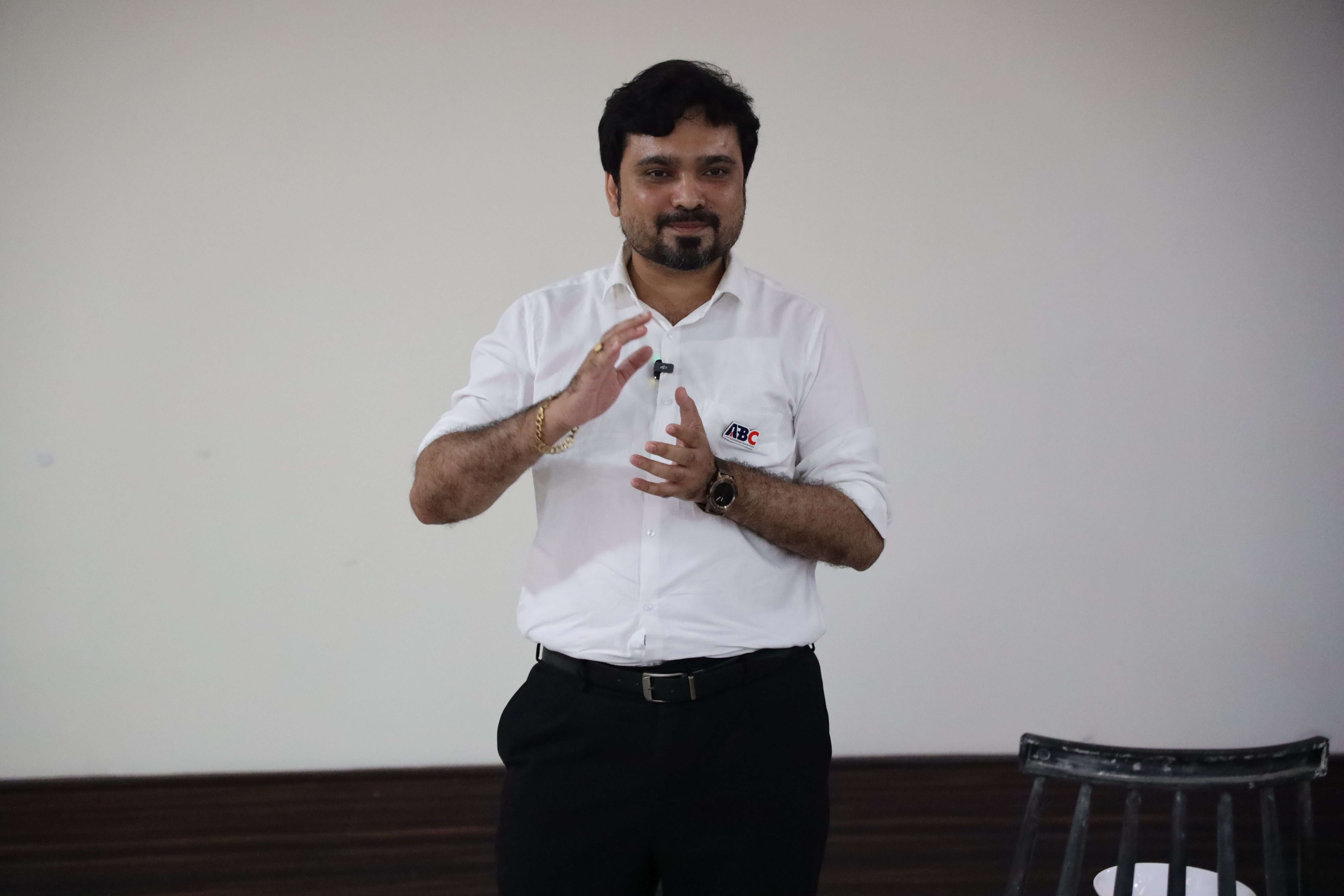
The most memorable motivational speeches aren't the loudest — they're the ones that make the audience feel understood. India's ₹1.5 trillion L&D market has thousands of aspiring speakers, but only a handful truly move people. These 4 proven steps are what separate a forgettable talk from one the audience remembers and acts on for years.
TL;DR- Step 1: Understand Your Audience — identify their challenges, aspirations, motivations, and pain points before writing a single word
- Step 2: Craft a Compelling Message — choose one clear theme, use storytelling for emotional connection, and emphasize the WHY behind your message
- Step 3: Deliver with Impact — open strong, close memorably, use visual aids as amplifiers, and practice until your delivery feels completely natural
- Step 4: Inspire Positive Change — give a specific actionable takeaway the audience can implement within 48 hours of hearing your talk
- Every great motivational speech is built on deep audience understanding first — the delivery is secondary to the depth of emotional connection
Step 1: How to Understand Your Audience Before Writing a Single Word of Your Motivational Speech
Every memorable motivational speech starts before you write a single word — it starts with understanding your audience. Who are they? What are their daily challenges and deepest frustrations? What do they aspire to, and what stands between them and that aspiration? I've delivered keynotes at Bajaj Auto, Mahindra, L&T, and Bosch, and here's what I know for certain: the speaker who does thorough homework on the audience before stepping on stage consistently outperforms the one who brings the same speech to every room. Research your audience like you're their closest confidant. The more you understand their world, the more your words will feel like they were written specifically for them.
How to Identify the Pain Points, Aspirations, and Motivations That Make Your Audience Listen
Pain points are where motivational speeches find their power. When I stand in front of managers at Tata Tech or KPIT, I don't start with my journey. I start by naming what they're dealing with — the pressure of targets, the challenge of building great teams, the fear that their skills might not keep pace with change. When the audience hears their own reality described with precision, they lean in. That's when the connection is made. Then you move to aspirations — what they genuinely want for their careers and their teams. Map the gap between their pain and their aspiration, and you have your speech's emotional core.
Step 2: How to Craft a Compelling Message That Connects With Your Audience's Dreams and Challenges
Once you understand your audience, craft a message with a single, clear theme. Not three themes — one. That theme must connect directly to the gap between your audience's pain and their aspiration. For example, if your audience is a group of frontline managers who feel undervalued, your theme might be "The Leader the Team Deserves" — and everything in your speech supports that one idea. Use storytelling to make the theme alive. Share a real story that illustrates the transformation you're advocating. I've used stories from my work with the Indian Army, from RBI, from manufacturing floors across Maharashtra — and when those stories land, you can feel the room shift.
| Element | Forgettable Speech | Memorable Speech |
|---|---|---|
| Audience research | Generic or skipped entirely | Deep understanding of pain and aspiration |
| Core message | Multiple unfocused ideas | One clear, audience-specific theme |
| Storytelling | Abstract or no stories | Real, specific stories tied to the theme |
| Delivery | Unpractised, reads from notes | Rehearsed, natural, confident |
| Visual aids | Text-heavy slides as crutch | Strategic images that amplify moments |
| Closing | Summarises points, trails off | Resonance Close with one clear action step |
The Power of Storytelling in Motivational Speaking: How to Build Emotional Connection on Stage
Storytelling is not a technique — it's the mechanism through which the human brain processes meaning. Neuroscience confirms it: when you tell a story, the listener's brain activates in the same regions as the speaker's. They're not just hearing the story; they're experiencing it alongside you. For motivational speakers, this is the difference between a speech that's remembered and one that isn't. The story doesn't have to be dramatic — it has to be real, specific, and tied to the transformation you're advocating. I've used stories about Infosys engineers who rewired their careers, Bosch factory workers who became department heads. Real stories. Real people. That's what moves real audiences.
Step 3: How to Deliver a Motivational Speech With Real Impact From Opening to Closing
Delivering a motivational speech with impact requires deliberate craft in three places: the opening, the middle, and the close. Your opening has to earn the audience's attention within the first 30 seconds — a compelling question, a surprising fact, a story that drops them straight into action. The middle must build progressively, each point deepening the connection to the theme. And the close must be memorable. I use what I call the Resonance Close — a final image, phrase, or challenge the audience carries out of the room. Think of your close like the last line of a great song. It needs to stay with them long after they've left the venue.
Why Visual Aids, Rehearsal, and a Strong Structure Make or Break Your Performance on Stage
Here's what most aspiring speakers underestimate: the role of rehearsal. A great speech poorly delivered is a wasted speech. Practice out loud — not in your head, not to a mirror, but to a real person who can give honest feedback. Use visual aids strategically — not as a crutch, but as amplifiers. A powerful image at the right moment can do what a paragraph of words cannot. I've delivered keynotes in English, Hindi, and Marathi across India — to audiences from the Indian Army to Ferrero India to JSW Steel. The speeches that land best aren't improvised — they're so thoroughly rehearsed that they look and feel completely effortless.
Step 4: How to Inspire Genuine Positive Change That Lasts Beyond the Event
The fourth step — inspiring positive change — is where most motivational speeches fall short. Energy without direction is noise. If your audience leaves feeling good but not knowing what to do differently, you've missed the point. Every motivational speech must end with a clear, specific, actionable takeaway. Not "believe in yourself" — that's too vague. Something like: "This week, identify the one conversation you've been avoiding with your team and have it." Specific. Doable. Measurable. I always give my audiences one concrete action they can take in the next 48 hours. That's what turns inspiration into real transformation and real results.
What Aspiring Motivational Speakers in India Must Master to Make Their Speeches Truly Memorable
What makes a motivational speech truly memorable — the kind audiences discuss for months — is the intersection of three things: deep audience understanding, a message that names their reality and offers a clear path forward, and a delivery so authentic it feels like a real conversation rather than a performance. I've been a 2x TEDx speaker, and the feedback that matters most to me isn't "great energy" — it's "you described exactly what I've been going through, and I finally know what to do about it." Being seen and being given direction: that combination is what makes a speech unforgettable and what every aspiring motivational speaker in India must master.
Book Avinash Chate for Your Next Event
TEDx speaker. 11+ yrs training Army, BRO, RBI, BARC, JSW. Available for keynotes, leadership training, team building & manager development at your office or event venue.
✅ Thanks! Avinash team will reach out within 24 hours.'}).catch(function(e){f.outerHTML='Something went wrong. WhatsApp +91 8793630001
'});return false;">Select ServiceKeynote / Motivational SpeakingLeadership Development TrainingTeam Building WorkshopManager DevelopmentEmployee TrainingOutbound TrainingBook Avinash Now →Or WhatsApp directly: +91 87936 30001
Related Articles by Avinash Chate
- Why Loyalty and Trust Matter More Than Skills in Manufacturing India
- How to Gain Customers for Your Manufacturing Business in India
- Creating Employment in India: Why It Means More Than Just Profits
Avinash Chate TEDx Speaker · Founder, The Future Corporate · 11+ yrs experience Avinash has trained Indian Army, BRO, RBI, BARC, JSW Steel and 1000+ corporate leaders across India. His work focuses on leadership development, communication skills, and behavioural training rooted in Indian values and modern business needs. |
Frequently Asked Questions
What are the 4 proven steps to create a memorable motivational speech?
The four proven steps are: first, understand your audience — their challenges, aspirations, pain points, and what motivates their decisions; second, craft a compelling message — choose one clear theme, use storytelling for emotional connection, and emphasize the WHY; third, deliver with impact — open strong, close memorably, use visual aids strategically, and rehearse until your delivery feels natural; and fourth, inspire positive change — give the audience a specific actionable takeaway they can implement within 48 hours of your talk.
How do I understand my audience before writing a motivational speech?
Understanding your audience starts with research. Find out who they are — their profession, their level, their industry. Then find out what they're dealing with daily: what problems they're trying to solve, what fears are holding them back, what they aspire to. Talk to the event organiser, read recent industry news, review the company's known challenges. The more specific you can be about their reality, the more your message will feel like it was written exactly for them. I always spend more time researching the audience than writing the speech itself.
Why is storytelling the most important technique in motivational speaking?
Storytelling is the mechanism through which the human brain processes and retains meaning. When you tell a real story, the listener's brain activates in the same regions as the speaker's — they're not just hearing the story, they're experiencing it. This is why stories stick when data slides don't. For motivational speakers, a real, specific story tied to your theme creates an emotional connection that facts and statistics alone cannot create. The story doesn't have to be dramatic — it has to be true, specific, and directly relevant to the transformation you're advocating for your audience.
How do I close a motivational speech so the audience remembers it?
Close with what I call the Resonance Close — a final image, phrase, or challenge that the audience carries with them after they leave the room. Think of your closing like the last line of a great song: it needs to stay. Avoid summarising your points as a close — that's a weak ending. Instead, paint a vivid picture of what becomes possible when your audience applies what they've heard, and give them one specific action to take in the next 48 hours. The combination of vision and concrete action is what makes a closing both memorable and genuinely transformational.
Avinash Chate services
Corporate Trainer in Maharashtra · Top Corporate Trainers in Maharashtra · Leadership Trainer in Maharashtra · Top Leadership Trainers in Maharashtra · Team Building Trainer in Maharashtra · Top Team Building Trainers in Maharashtra · Motivational Speaker in Maharashtra · Top Motivational Speakers in Maharashtra · All service locations
← Back to all articles · Book Avinash Chate
By Avinash Chate — Maharashtra’s #1 Corporate Trainer & Motivational Speaker. .