4 Steps to Conquer Stage Fright and Master Public Speaking in India
Stage fright is not a personality flaw — it's a fight-or-flight response you can rewire. Here are 4 proven steps to conquer public speaking fear for good in India.
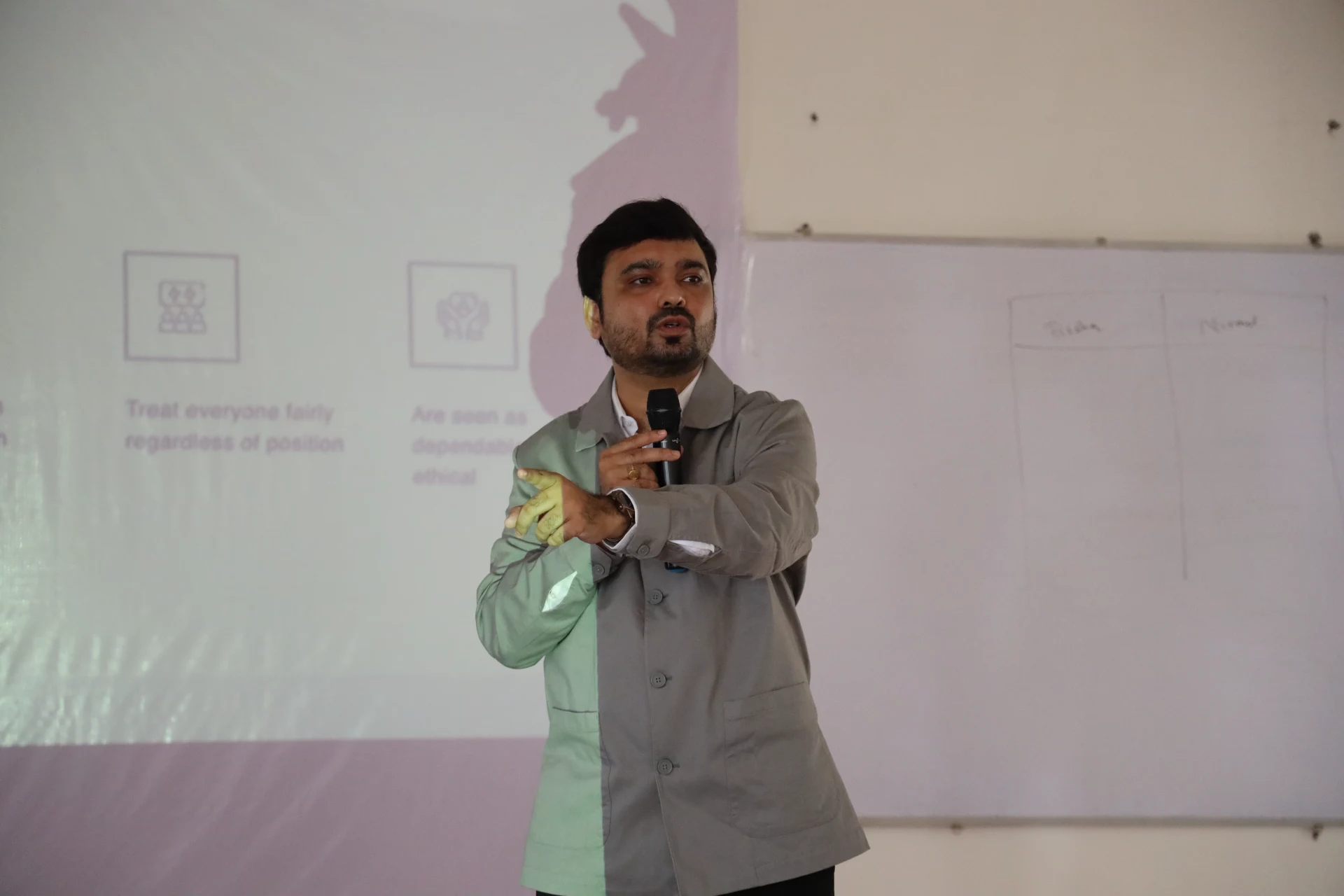
Here's the thing — stage fright doesn't mean you're bad at speaking. It means your nervous system is doing exactly what it was designed to do. The good news is, you can rewire it. LinkedIn India 2026 rates leadership skills as India's #1 demanded capability — and public speaking sits at the core of every leadership role in every industry.
TL;DR- Stage fright is caused by the fight-or-flight response — rapid heartbeat and shaky voice are physical symptoms, not signs of failure
- Step 1: Understand the fear itself so you stop fighting your nervous system and start working with it
- Step 2: Use preparation as your most powerful weapon — research, outline, rehearse, and know your audience
- Step 3: Build confidence through strengths, positive affirmations, and visualization before you step on stage
- Step 4: In the moment — use the 4-4-6 breathing technique, make eye contact, engage the audience, and treat mistakes as stepping stones
Why Stage Fright Happens: The Science Behind Public Speaking Anxiety Every Indian Professional Needs to Know
Stage fright exists because your nervous system cannot tell the difference between facing a predator and facing an audience. When you step on stage, your brain activates the fight-or-flight response — your heart rate jumps, your palms sweat, your voice shakes. What most people don't realize is that these symptoms are not signs of incompetence; they're signs that your body is flooding itself with energy. I've trained thousands of professionals across India, and the first shift I always create is this: the moment you understand that stage fright is your body preparing to perform, not preparing to fail, everything changes.
How the Fight-or-Flight Response Affects Your Performance on Stage and How to Channel It
The fight-or-flight response was built to save you from predators, not help you give a presentation. But your nervous system doesn't know the difference. Here's the thing — the same adrenaline that gives athletes their competitive edge is flooding your system before you speak. The goal isn't to eliminate this response; the goal is to channel it. I've worked with professionals from Bajaj Auto, Mahindra, and Tata Tech who learned to use that nervous energy as fuel — turning visible anxiety into visible presence and authentic energy on stage. Channel the current; don't fight it.
Step 2: Why Preparation Is the Most Powerful Weapon Against Stage Fright in India
Trust me, the single most effective technique for conquering stage fright is preparation. Not memorizing a script — structured preparation. Research your material thoroughly. Understand your audience: who they are, what they need, what motivates them, what obstacles they're facing. Build a clear outline so your brain has a map to follow when anxiety tries to blank it out. Rehearse out loud, not just in your head. I've watched professionals at L&T, Siemens, and Infosys go from terrified to confident in weeks simply by replacing vague preparation with deliberate, structured rehearsal every single time.
| Stage | Unprepared Speaker | Prepared Speaker |
|---|---|---|
| Before the talk | Hopes nervousness disappears | Uses 4-4-6 breathing and visualization |
| Opening | Apologizes or rushes | Strong hook, deliberate eye contact |
| When anxious | Loses thread, rushes | Breathes, slows down, re-engages audience |
| On mistakes | Freezes or over-apologizes | Pauses, smiles, continues naturally |
| Audience engagement | Reads notes, avoids crowd | Questions, eye contact, energy exchange |
| Closing | Trails off awkwardly | Strong call to action and memorable line |
How to Build Real Confidence Before You Walk on Stage Using Strengths and Visualization
Building confidence is not about pretending to be fearless — it's about deliberately shifting focus. I teach this in every public speaking workshop: identify three genuine strengths you bring to the presentation. Not generic ones — specific ones. Maybe you know this topic deeply. Maybe you've lived the experience you're sharing. Then challenge every piece of negative self-talk with those specific strengths. Add visualization: spend five minutes before any presentation imagining it going well, vividly. This is how Olympic athletes train their minds, and it works equally well for stage speakers. I've seen this process transform fearful professionals at BARC, RBI, and the Indian Army into confident communicators.
Breathing Techniques and In-the-Moment Strategies That Actually Work for Indian Professionals
When you're on stage and anxiety peaks, breathing is your fastest tool. Here's the specific technique: inhale for four counts, hold for four, exhale for six. Do this twice before you begin. It activates your parasympathetic nervous system and literally slows your heart rate. Then: make eye contact with one friendly face for three to four seconds before moving to the next. This grounds you in the room and signals your brain that the environment is safe. Engage the audience early — ask a question, invite a show of hands. The moment they respond, you're no longer alone on stage.
How to Embrace Mistakes on Stage and Turn Them Into Powerful Audience Connection Moments
Here's what separates great speakers from mediocre ones: great speakers know that mistakes are not exits, they're entrances. If you stumble over a word, pause, smile, and continue. The audience isn't tracking your errors — they're tracking your energy and your message. I've sat in sessions at Bosch, JSW, and Ferrero where the moments a speaker recovered from a mistake gracefully were the moments the audience connected most deeply. Mistakes make you human. Handled with confidence, they make you memorable. The goal isn't perfection — it's presence, authenticity, and genuine connection with the room.
What Aspiring Motivational Speakers in India Must Practice Before Their First Stage Appearance
If you want to become a motivational speaker in India, five practices are non-negotiable. One: speak in front of any audience every week — a team meeting, a local toastmasters session, a community call. Two: record yourself and watch it back without judgment. Three: study great speakers using transcripts. Four: know your core message so well you can deliver it from any point in your structure. Five: get a mentor who has done it. I've been a 2x TEDx speaker, and the single biggest accelerator for any aspiring speaker is feedback from someone who's already stood where you want to stand.
From Stage Fear to Stage Mastery: A 30-Day Practice Plan for Indian Professionals
Here's a 30-day plan that works. Week 1: record yourself speaking about your expertise for three minutes daily, watch each recording once, and note one thing to improve. Week 2: give a five-minute talk to a trusted colleague every other day and ask for one specific piece of feedback. Week 3: speak at two external events — a meeting, a club, a community call — focusing on eye contact and breathing. Week 4: deliver a full 15-minute structured presentation with complete preparation. By day 30, you won't have eliminated stage fright — you'll have turned it into your fuel. That's when speaking becomes genuinely powerful.
Book Avinash Chate for Your Next Event
TEDx speaker. 11+ yrs training Army, BRO, RBI, BARC, JSW. Available for keynotes, leadership training, team building & manager development at your office or event venue.
✅ Thanks! Avinash team will reach out within 24 hours.'}).catch(function(e){f.outerHTML='Something went wrong. WhatsApp +91 8793630001
'});return false;">Select ServiceKeynote / Motivational SpeakingLeadership Development TrainingTeam Building WorkshopManager DevelopmentEmployee TrainingOutbound TrainingBook Avinash Now →Or WhatsApp directly: +91 87936 30001
Related Articles by Avinash Chate
- Why Loyalty and Trust Matter More Than Skills in Manufacturing India
- How to Gain Customers for Your Manufacturing Business in India
- 4 Proven Steps to Create a Memorable Motivational Speech in India
Avinash Chate TEDx Speaker · Founder, The Future Corporate · 11+ yrs experience Avinash has trained Indian Army, BRO, RBI, BARC, JSW Steel and 1000+ corporate leaders across India. His work focuses on leadership development, communication skills, and behavioural training rooted in Indian values and modern business needs. |
Frequently Asked Questions
What causes stage fright during public speaking?
Stage fright is caused by the fight-or-flight response — your nervous system activates when it perceives a threat. On stage, your brain interprets the audience as a potential threat and floods your body with adrenaline, causing rapid heartbeat, sweating, and a shaky voice. Understanding this is the first step to working with the response instead of against it. These symptoms are not signs of failure — they're signs your body is energised and ready to perform.
What are the best techniques to overcome fear of public speaking in India?
The four most effective techniques are: first, understanding the science behind your fear so it stops surprising you; second, thorough preparation — knowing your material, your audience, and having a clear outline; third, building confidence through your genuine strengths, positive affirmations, and visualization; and fourth, in-the-moment strategies like controlled breathing (4-4-6 technique), sustained eye contact, and engaging the audience early. I've trained professionals across India at companies like L&T, Siemens, and Infosys, and these four steps consistently produce real results.
How long does it take to overcome stage fright completely?
Most professionals see a significant shift within 30 days of deliberate practice. Eliminating stage fright completely is not the goal — channelling it is. With consistent practice — weekly speaking opportunities, recording and reviewing yourself, and applying structured preparation — the fear transforms into focused energy within four to eight weeks. The key is consistency over intensity. Daily practice, even in small doses, builds the neural pathways that make confident speaking automatic over time.
Can introverts become confident public speakers in India?
Absolutely. Some of the most powerful speakers I've trained in India are natural introverts. The introvert's tendency to think deeply, prepare thoroughly, and be genuinely invested in their message are massive advantages on stage. The gap for introverts is usually energy management, not capability. Once they learn to channel pre-stage adrenaline, use preparation as their confidence base, and focus outward on the audience rather than inward on their anxiety, introverts consistently deliver presentations with extraordinary depth and authenticity.
Avinash Chate services
Corporate Trainer in Maharashtra · Top Corporate Trainers in Maharashtra · Leadership Trainer in Maharashtra · Top Leadership Trainers in Maharashtra · Team Building Trainer in Maharashtra · Top Team Building Trainers in Maharashtra · Motivational Speaker in Maharashtra · Top Motivational Speakers in Maharashtra · All service locations
← Back to all articles · Book Avinash Chate
By Avinash Chate — Maharashtra’s #1 Corporate Trainer & Motivational Speaker. .