5 Effective Team Building Techniques Every Leader Should Know
Discover five practical team building techniques that help leaders create trust, improve communication, boost ownership, and build high-performing teams across the workplace.
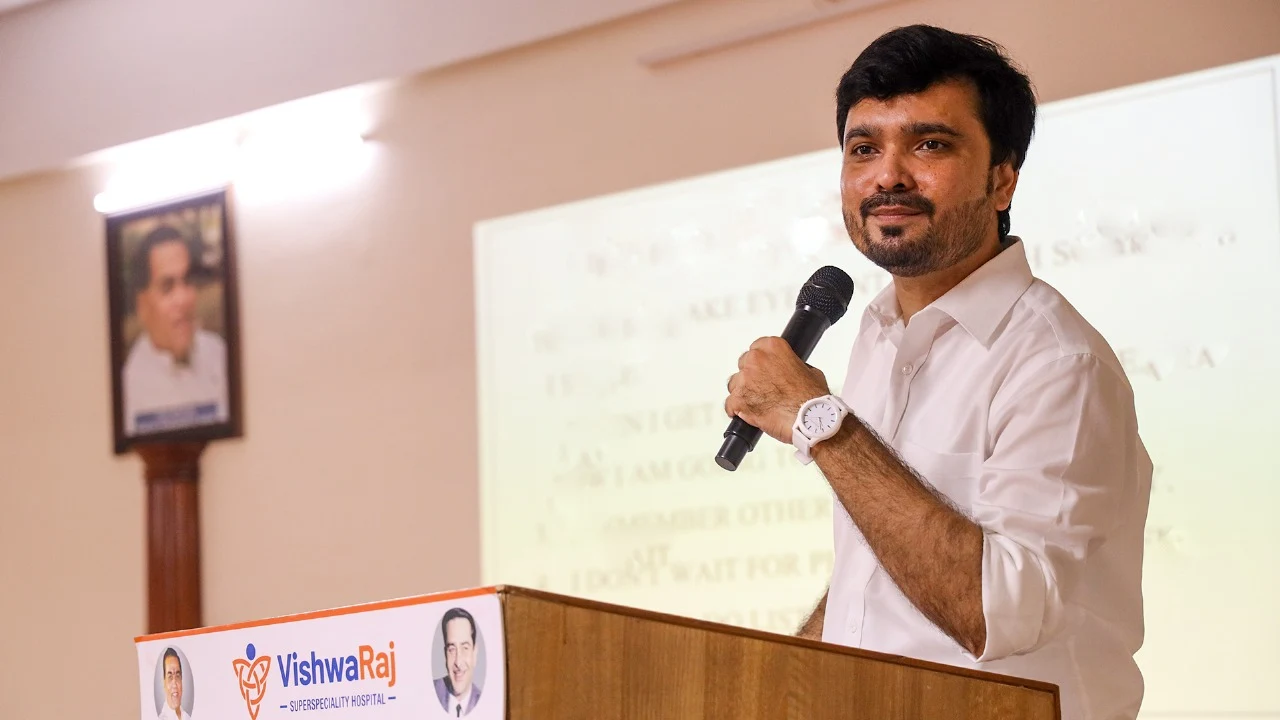
Avinash Chate - Team Building Expert conducting interactive workshop
5 Effective Team Building Techniques Every Leader Should KnowGreat teams do not happen by accident. They are built intentionally, one conversation, one habit, and one shared experience at a time. In my work with leaders across industries, I have seen that team building is not about games alone. It is about creating trust, clarity, ownership, and emotional connection inside the workplace.
Key takeaway: Team building becomes effective when leaders consistently strengthen communication, trust, accountability, collaboration, and shared purpose.
As Avinash Chate, a TEDx speaker and author of The Winning Edge, I have worked with leaders and teams across 80+ organizations. One truth stands out every time: when people feel valued, understood, and aligned, performance improves naturally. Team building is not a one-day activity. It is a leadership discipline.
In many of my corporate training sessions, I remind managers that strong teams are created by strong interpersonal habits. Whether I am working with frontline staff, middle managers, or senior leaders, the goal remains the same: help people work better together. This is exactly where structured people development becomes powerful, and it is also why the KITE Leadership Framework remains highly relevant for building connected and committed teams.
If you want to deepen your leadership perspective, I also recommend reading Why Emotional Intelligence Is Crucial for Effective Leadership in 2023.
1. Build Trust Through Consistent Human Connection
The first and most important team building technique is trust building. Without trust, even highly skilled individuals struggle to collaborate. With trust, even difficult goals become manageable.
Many leaders assume trust comes automatically with time. I disagree. Trust grows when leaders show fairness, empathy, and consistency. It grows when people know they can speak honestly without fear of humiliation. It grows when commitments are honored.
One practical way to build trust is to create regular check-ins that go beyond task updates. Ask your team simple but meaningful questions. What is working well? What is creating pressure? Where do they need support? These conversations send a strong message: people matter here.
When I, Avinash Chate, work with organizations on team effectiveness, I often notice that teams with the best trust levels are not necessarily the loudest or most outgoing. They are the ones where people feel psychologically safe. They can disagree respectfully, admit mistakes, and still stay united.
Leaders can strengthen trust further by recognizing effort publicly and correcting mistakes privately. This protects dignity while encouraging accountability. Trust is not built in speeches. It is built in behavior.
2. Improve Team Communication With Clear Norms
The second technique is communication alignment. Most team conflicts are not caused by bad intentions. They are caused by assumptions, unclear expectations, and poor listening.
Effective team building requires leaders to establish communication norms. These norms can include how meetings are run, how disagreements are handled, how updates are shared, and how feedback is given. When communication is left undefined, confusion fills the gap.
I encourage leaders to make communication simple, respectful, and direct. Team members should know when to listen, when to contribute, and how to clarify without sounding defensive. One of the most useful practices is to summarize action points at the end of every group discussion. This creates shared understanding and reduces avoidable friction.
Another powerful method is active listening. Team members should be trained not just to hear words, but to understand intent and emotion. This is especially important in cross-functional teams where different working styles can create tension.
In one leadership intervention, I drew examples from my work with Ferrero Rocher to show how communication quality directly influences collaboration quality. Teams perform better when they stop guessing and start clarifying.
For leaders who want to explore related perspectives on people development and workplace motivation, this article offers useful insights: Corporate Motivational Speaker for Aurangabad-Headquartered MNCs — How Endurance and Varroc Build Global Leaders from Marathwada.
3. Create Shared Goals That Unite Individual Effort
The third team building technique is goal alignment. A group becomes a team when individuals see how their efforts connect to a larger purpose. Without shared goals, people may work hard but pull in different directions.
Leaders must help teams understand not only what they are doing, but why it matters. This sense of purpose creates emotional buy-in. It reduces silos and encourages cooperation.
One practical approach is to involve the team in goal-setting discussions. When people contribute to defining priorities, they feel stronger ownership. They move from compliance to commitment. This shift is essential for team building.
I also advise leaders to break big goals into visible team responsibilities. Everyone should know their role, the interdependence involved, and the standards expected. This creates both clarity and accountability.
The KITE Leadership Framework supports this beautifully because it encourages leaders to inspire trust, align effort, and energize execution. Team building becomes far more powerful when goals are not imposed mechanically but embraced collectively.
As Avinash Chate, I have seen that teams become more resilient when they are united by meaning, not just metrics. Shared purpose gives people a reason to support one another, especially in demanding times.
4. Encourage Collaboration Through Role Clarity and Mutual Support
The fourth technique is structured collaboration. Many leaders say they want teamwork, but they fail to create the conditions that make teamwork practical. Collaboration improves when roles are clear, strengths are understood, and support is normalized.
One of the simplest team building exercises I recommend is a strengths-sharing discussion. Ask each team member to share what they do best, what kind of support helps them succeed, and where they would like assistance from others. This creates awareness and reduces hidden frustration.
Leaders should also watch for uneven workload distribution. When a few people carry the team repeatedly, resentment grows. Team building requires fairness. It also requires leaders to notice who is silent, who is overloaded, and who needs encouragement to participate more actively.
Peer appreciation is another underrated practice. Invite team members to acknowledge one another for specific contributions. This builds respect and reduces ego-driven behavior. Appreciation strengthens belonging, and belonging strengthens performance.
If your organization is looking to improve collaboration, communication, and team effectiveness through structured learning, you may also find value in Corporate Training for Logistics and Supply Chain Companies in Mumbai, India.
When people understand their role, respect each other’s strengths, and support a common mission, teamwork stops feeling forced and starts becoming natural.
5. Use Reflection, Feedback, and Recognition to Sustain Team Spirit
The fifth technique is continuous reinforcement. Team building is not complete after one workshop or one offsite. It must be sustained through reflection, feedback, and recognition.
High-performing teams pause to learn. They review what worked, what did not, and what can be improved. This reflection helps teams grow wiser, not just busier. Leaders who create a culture of learning build teams that adapt faster and stay engaged longer.
Feedback should be timely, respectful, and developmental. It should not be reserved only for mistakes. Leaders must also give positive feedback when they observe collaboration, initiative, and responsibility. What gets recognized gets repeated.
I often tell leaders that appreciation is one of the most cost-effective team building tools available. A sincere acknowledgment can lift morale, strengthen confidence, and reinforce desired behavior. Recognition does not always need to be formal. Even a genuine word of thanks in the right moment can transform energy in the room.
In my sessions, I emphasize that team spirit survives when people feel seen. That is why reflection and recognition must become regular leadership habits, not occasional gestures.
How Leaders Can Make Team Building a Daily Practice
Let me make this practical. If you are a leader, start with small but consistent actions. Schedule meaningful check-ins. Clarify communication expectations. Align your team around shared goals. Encourage peer support. Review progress together. Celebrate effort and learning.
Team building is not separate from leadership. It is leadership in action. Every meeting, every review, every difficult conversation, and every appreciation moment either strengthens the team or weakens it.
As Avinash Chate, I believe the best leaders do not merely manage performance. They shape team culture. They create an environment where people feel trusted, challenged, and inspired to contribute their best.
If you want your people to collaborate better, communicate better, and perform better, begin with these five techniques and apply them consistently. Over time, they will help you build not just a productive team, but a united and motivated one.
Ready to strengthen your team? Book a corporate training session and build a more connected, confident, and high-performing workplace.
Frequently Asked Questions
What is the most important element of team building?
Trust is the foundation of team building. When team members trust each other and their leader, communication improves, collaboration becomes easier, and performance becomes more consistent.
How can leaders improve team building without formal activities?
Leaders can improve team building through regular check-ins, clear communication, fair recognition, role clarity, and meaningful feedback. Daily leadership behavior matters more than occasional events.
Why do some teams struggle even when individuals are talented?
Talented individuals may still struggle as a team if there is low trust, unclear communication, weak goal alignment, or poor collaboration habits. Team success depends on collective effectiveness, not just individual ability.
How often should leaders focus on team building?
Team building should be an ongoing leadership practice. Small, consistent actions every week are more effective than one-time activities conducted once or twice a year.
Can team building improve workplace motivation?
Yes. Strong team building improves belonging, reduces conflict, increases engagement, and helps people feel supported. This naturally boosts motivation and commitment at work.
Related Articles by Avinash Chate
- How to Find the Right Motivational Speaker for Your Corporate Event
- 7 Ways to Create a Culture of Continuous Learning in Your Organization
- The Benefits of Combining NLP Techniques with Corporate Training
About the Author
Avinash Chate is a TEDx speaker, published author of The Winning Edge and The Unanswered, and founder of The Future Corporate & Business Coaching. With over 15 years of experience training 80+ organizations including Mtech Innovation, Vascon, Mumbai Port Authority, Keshardeep Presssings, Avinash is recognized as Maharashtra's leading corporate trainer. He created the KITE Leadership Framework and the 25-Star Competency Framework™, delivering high-impact programs across leadership, team building, sales transformation, and emotional intelligence.
📞 +91 8793630001 | ✉️ connect@avinashchate.com | 🌐 avinashchate.com
Book Avinash Chate for Your Next Event
Maharashtra's #1 Corporate Trainer · India's leading Motivational Speaker & Team Building Expert · 2x TEDx · Available across India in English, Hindi & Marathi.
✅ Thanks! Avinash team will reach out within 24 hours.'}).catch(function(e){f.outerHTML='Something went wrong. WhatsApp +91 8793630001
'});return false;"> Select Service Motivational Speaking / Keynote Team Building Workshop Corporate Training / Leadership Development Manager Development Employee Training Outbound Training Book Avinash Now →Or WhatsApp directly: +91 87936 30001
Avinash Chate services
Corporate Trainer in Maharashtra · Top Corporate Trainers in Maharashtra · Leadership Trainer in Maharashtra · Top Leadership Trainers in Maharashtra · Team Building Trainer in Maharashtra · Top Team Building Trainers in Maharashtra · Motivational Speaker in Maharashtra · Top Motivational Speakers in Maharashtra · All service locations
← Back to all articles · Book Avinash Chate
By Avinash Chate — Maharashtra’s #1 Corporate Trainer & Motivational Speaker. .