7 Effective Strategies for Managing Employee Burnout in Corporate Settings
Employee burnout is not just a personal struggle; it is a workplace challenge that affects morale, productivity, teamwork, and leadership effectiveness. In this article, I share seven practical strategies leaders can use to prevent and manage burnout through empathy, communication, role clarity, and people-first leadership.
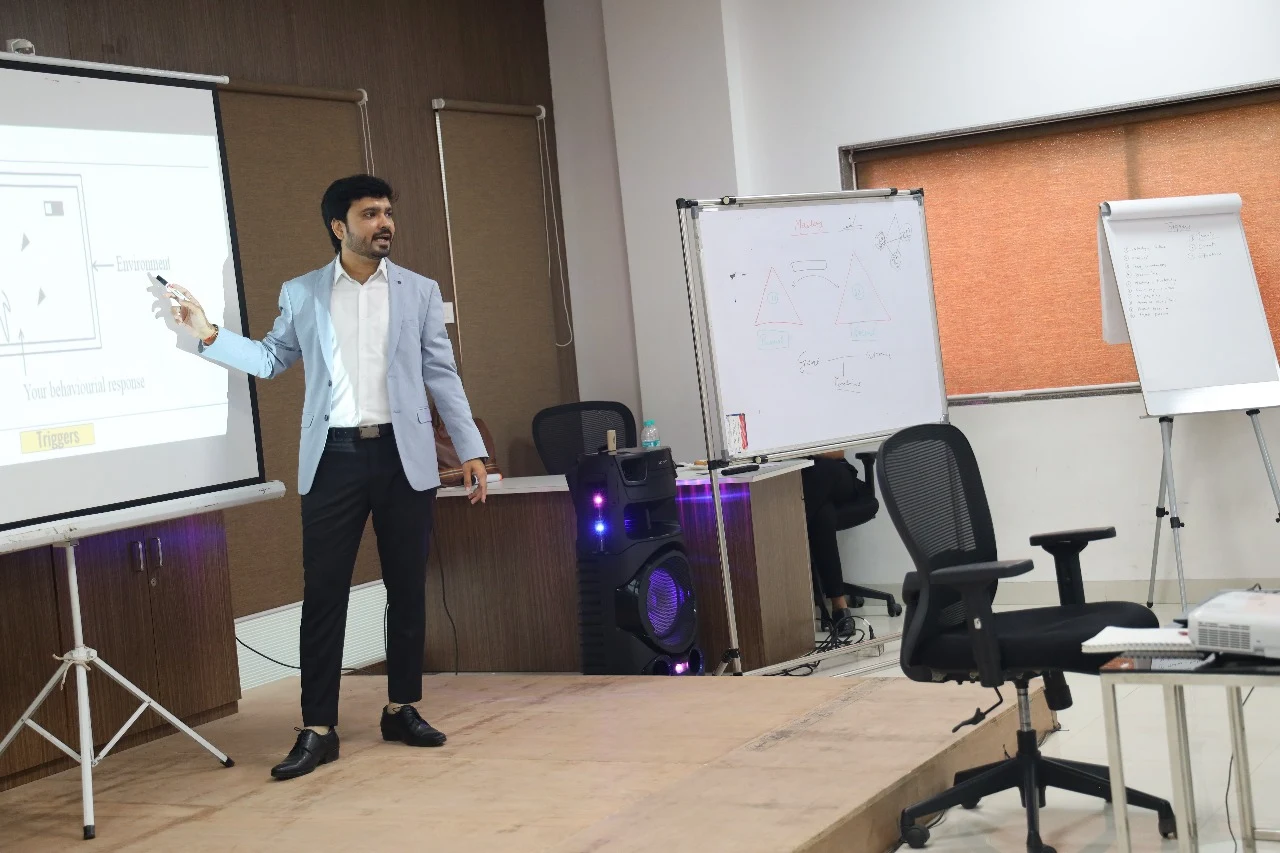
Avinash Chate - Top Motivational Speaker at corporate training program
7 Effective Strategies for Managing Employee Burnout in Corporate SettingsEmployee burnout is one of the most serious people challenges I see in modern workplaces. It does not begin with dramatic breakdowns. It starts quietly with emotional fatigue, reduced enthusiasm, low patience, and a gradual loss of ownership. Over time, it affects communication, teamwork, customer experience, and business results.
Key takeaway: burnout cannot be solved only by asking people to work harder or stay positive. It must be addressed through better leadership, stronger communication, emotional support, and a healthier work culture.
As a corporate trainer, TEDx speaker, and author of The Winning Edge, I have worked with leaders across 80+ organizations and seen a clear pattern: when managers learn to identify burnout early and respond with empathy and structure, teams become more engaged, resilient, and productive. This is why burnout management is not an HR formality. It is a leadership responsibility.
At Avinash Chate, I often remind leaders that high performance should never come at the cost of human energy. Sustainable success comes from building workplaces where people feel valued, heard, and supported. In one of my sessions with teams from Kiran Gems, I observed how meaningful conversations around pressure, accountability, and emotional well-being can change team dynamics significantly.
If you want to build stronger leaders, you may also explore Best Corporate Trainer in Pune for Leadership Development. For a deeper understanding of workplace empathy, I also recommend Why Emotional Intelligence Is the Most Important Skill for Indian Managers in Mumbai. While business environments continue to evolve, people skills remain central, and that is a point I have also touched on in AI and Data Will Decide the Next Market Leaders.
Why Employee Burnout Demands Immediate Attention
Burnout is more than stress. Stress may come and go, but burnout creates a deeper sense of emotional exhaustion, helplessness, and detachment. Employees who once took initiative may begin doing the bare minimum. Team members who were collaborative may become withdrawn or irritable. Managers may misread this as poor attitude, when in reality it is often a sign that the person has been running on empty for too long.
In my experience, burnout shows up in subtle ways before it becomes visible in performance reviews. Delayed responses, increased conflict, low creativity, absenteeism, and declining confidence are all common indicators. Leaders who ignore these early signs risk losing not only productivity but also trust.
This is where structured people development becomes essential. Through the KITE Leadership Framework, I encourage leaders to focus on awareness, intentional communication, trust-building, and emotional steadiness. These are not soft options. They are business-critical leadership behaviours.
1. Recognize the Early Warning Signs Without Judgment
The first strategy is awareness. Many managers wait until burnout becomes severe before taking action. I believe leaders must learn to notice changes in energy, tone, participation, and behaviour much earlier. A top performer becoming unusually silent in meetings is a sign. A dependable employee missing small commitments repeatedly is a sign. A team member showing frustration over simple tasks is a sign.
The mistake many leaders make is attaching blame too quickly. Instead of asking, Why is this person underperforming? I suggest asking, What might this person be carrying right now? That shift creates empathy, and empathy opens the door to honest dialogue.
At Avinash Chate, I teach managers to observe patterns, not isolated incidents. Burnout is often visible in repeated emotional and behavioural changes. When leaders respond with curiosity rather than criticism, employees feel safer sharing what they are going through.
2. Create a Culture of Open and Safe Communication
Burnout grows in silence. Employees often do not speak up because they fear being seen as weak, incapable, or uncommitted. That is why leaders must create a culture where conversations about workload, stress, and emotional fatigue are normal and respected.
I always tell leaders that communication is not only about giving instructions. It is about creating emotional safety. Ask simple but powerful questions: How are you managing your workload? What is draining your energy right now? What support would help you perform better? These questions show care without removing accountability.
When employees feel heard, they become more willing to engage constructively. When they feel dismissed, they shut down emotionally. One honest conversation at the right time can prevent months of disengagement.
People do not burn out only because they work hard. They burn out when they feel unseen, unsupported, and unable to recover.
3. Clarify Roles, Priorities, and Expectations
One major cause of burnout in corporate settings is confusion. When people are unclear about priorities, stretched across too many responsibilities, or constantly dealing with shifting expectations, mental fatigue rises quickly. Ambiguity drains energy.
I advise leaders to simplify wherever possible. Define what matters most. Help employees understand what is urgent, what can wait, and what success looks like. If everything is important, people feel trapped in continuous pressure.
Clear expectations reduce emotional overload. They also improve confidence. When employees know where to focus, they can work with greater control and less anxiety. This is especially important for middle managers, who often carry pressure from both senior leadership and their teams.
Avinash Chate has consistently emphasized that role clarity is a hidden driver of motivation. People perform better when they know what is expected and feel equipped to deliver it.
4. Train Managers to Lead With Empathy and Balance
Burnout is often influenced by the immediate manager more than by company policy. A manager who constantly pressures, criticizes, or micromanages can exhaust a team very quickly. On the other hand, a manager who combines high standards with empathy can create resilience even in demanding environments.
This is why manager training is one of the most effective burnout prevention strategies. Leaders need practical skills in listening, coaching, feedback, conflict resolution, and emotional intelligence. These are not optional leadership qualities anymore. They are essential.
In my training programs, I help managers understand how their words, tone, and reactions shape the emotional climate of a team. A leader who says, Let us solve this together creates hope. A leader who says, Figure it out, everyone is stressed increases emotional isolation.
As Avinash Chate, I have seen that when managers become more self-aware, teams become more stable. Strong leadership does not remove pressure completely, but it helps people handle pressure without losing their motivation and self-belief.
5. Encourage Recovery, Not Just Performance
Many organizations celebrate effort but ignore recovery. This is a dangerous pattern. Human energy is not unlimited. If people are expected to stay switched on all the time, burnout becomes inevitable.
I encourage leaders to normalize healthy recovery habits. This includes respecting personal boundaries, discouraging unnecessary after-hours pressure, allowing meaningful breaks, and creating realistic work rhythms. Recovery is not laziness. It is renewal.
Employees need permission to pause without guilt. They need to know that rest is part of responsible performance, not the opposite of it. Leaders set this example through their own behaviour. If managers glorify exhaustion, teams will imitate that culture. If managers model balance, teams feel safer doing the same.
When people return with renewed energy, they communicate better, solve problems faster, and collaborate more effectively. Sustainable productivity always beats short bursts of overwork followed by disengagement.
6. Build Team Support Systems and Shared Ownership
Burnout feels heavier when employees believe they are carrying everything alone. That is why team culture matters so much. In healthy teams, people support one another, share responsibility, and step in when someone is overwhelmed. In unhealthy teams, stress becomes individual and isolating.
I recommend building team rituals that strengthen connection. Regular check-ins, peer appreciation, collaborative problem-solving, and open workload discussions can make a big difference. Team members do not need to become therapists for one another, but they should become more aware, respectful, and supportive.
In my team-building workshops, I often show how trust reduces emotional strain. When people know they can ask for help without being judged, resilience increases. Burnout prevention is not only a manager’s job. It becomes easier when the whole team participates in creating a supportive environment.
Encourage weekly team check-ins focused on workload and energy levels.
Promote appreciation for effort, not only outcomes.
Create space for collaborative planning during high-pressure periods.
Help team members ask for support early rather than after exhaustion sets in.
7. Make Well-Being a Leadership Metric, Not a Slogan
The final strategy is commitment. Burnout management cannot be handled through occasional speeches or one-time awareness campaigns. It must become part of leadership practice. If leaders track targets but ignore team energy, burnout will continue to rise beneath the surface.
I believe organizations should treat employee well-being as a meaningful leadership outcome. This means discussing workload sustainability in reviews, equipping managers to have better conversations, and reinforcing behaviours that protect morale and trust. When leaders are evaluated only on numbers, people often get neglected. When leaders are also measured on how they build teams, cultures improve.
This is where long-term corporate training makes a difference. Skills like communication, empathy, resilience, and coaching need reinforcement. They are developed through awareness, practice, and reflection. As a TEDx speaker and the author of The Winning Edge, I have seen that organizations that invest in people development create stronger performance cultures over time.
Avinash Chate believes that burnout is not a sign of employee weakness. It is often a signal that the system around people needs more humanity, more clarity, and better leadership.
Final Thoughts
Managing employee burnout in corporate settings requires more than good intentions. It requires leaders who can listen deeply, communicate clearly, set priorities wisely, and create team cultures where people can perform without emotionally collapsing. Burnout does not disappear through pressure. It reduces when people feel supported, respected, and guided well.
If you are a leader, manager, or HR professional, start with one question: Are my people only functioning, or are they truly thriving? The answer to that question can change the future of your team.
If you want to strengthen your organization through leadership development, communication training, team building, and motivation programs, book a corporate training session here.
Frequently Asked Questions
What are the common signs of employee burnout?
Common signs include emotional exhaustion, irritability, reduced enthusiasm, low productivity, withdrawal from team interaction, absenteeism, and a noticeable drop in motivation or ownership.
How can managers prevent burnout in teams?
Managers can prevent burnout by maintaining open communication, clarifying priorities, distributing workload fairly, encouraging recovery, and leading with empathy and emotional intelligence.
Is burnout only caused by long working hours?
No. Burnout can also be caused by unclear expectations, lack of recognition, poor communication, low autonomy, emotional pressure, and unsupportive leadership.
Why is communication important in managing burnout?
Communication helps employees express concerns early, seek support, and feel heard. It also allows leaders to identify pressure points before they become serious performance or well-being issues.
How can corporate training help reduce employee burnout?
Corporate training helps managers and teams build practical skills in leadership, empathy, communication, resilience, and collaboration, all of which create healthier and more sustainable workplaces.
Related Articles by Avinash Chate
- How to Find the Right Motivational Speaker for Your Corporate Event
- 7 Ways to Create a Culture of Continuous Learning in Your Organization
- The Benefits of Combining NLP Techniques with Corporate Training
About the Author
Avinash Chate is a TEDx speaker, published author of The Winning Edge and The Unanswered, and founder of The Future Corporate & Business Coaching. With over 15 years of experience training 80+ organizations including Prism Johnson Limited, Rajarambapu Patil Sahakari Sakhar Karkhana Limited, Morbull Solutions, Ferrero Rocher, Avinash is recognized as Maharashtra's leading corporate trainer. He created the KITE Leadership Framework and the 25-Star Competency Framework™, delivering high-impact programs across leadership, team building, sales transformation, and emotional intelligence.
📞 +91 8793630001 | ✉️ connect@avinashchate.com | 🌐 avinashchate.com
Book Avinash Chate for Your Next Event
Maharashtra's #1 Corporate Trainer · India's leading Motivational Speaker & Team Building Expert · 2x TEDx · Available across India in English, Hindi & Marathi.
✅ Thanks! Avinash team will reach out within 24 hours.'}).catch(function(e){f.outerHTML='Something went wrong. WhatsApp +91 8793630001
'});return false;"> Select Service Motivational Speaking / Keynote Team Building Workshop Corporate Training / Leadership Development Manager Development Employee Training Outbound Training Book Avinash Now →Or WhatsApp directly: +91 87936 30001
Avinash Chate services
Corporate Trainer in Maharashtra · Top Corporate Trainers in Maharashtra · Leadership Trainer in Maharashtra · Top Leadership Trainers in Maharashtra · Team Building Trainer in Maharashtra · Top Team Building Trainers in Maharashtra · Motivational Speaker in Maharashtra · Top Motivational Speakers in Maharashtra · All service locations
← Back to all articles · Book Avinash Chate
By Avinash Chate — Maharashtra’s #1 Corporate Trainer & Motivational Speaker. .