Author's Lost Government Training Bid
I lost a big government training contract not because I lacked the skill, but because I procrastinated on the bid for months. Here's the stress-free productivity system — GTD — I built afterward so it never happens again.
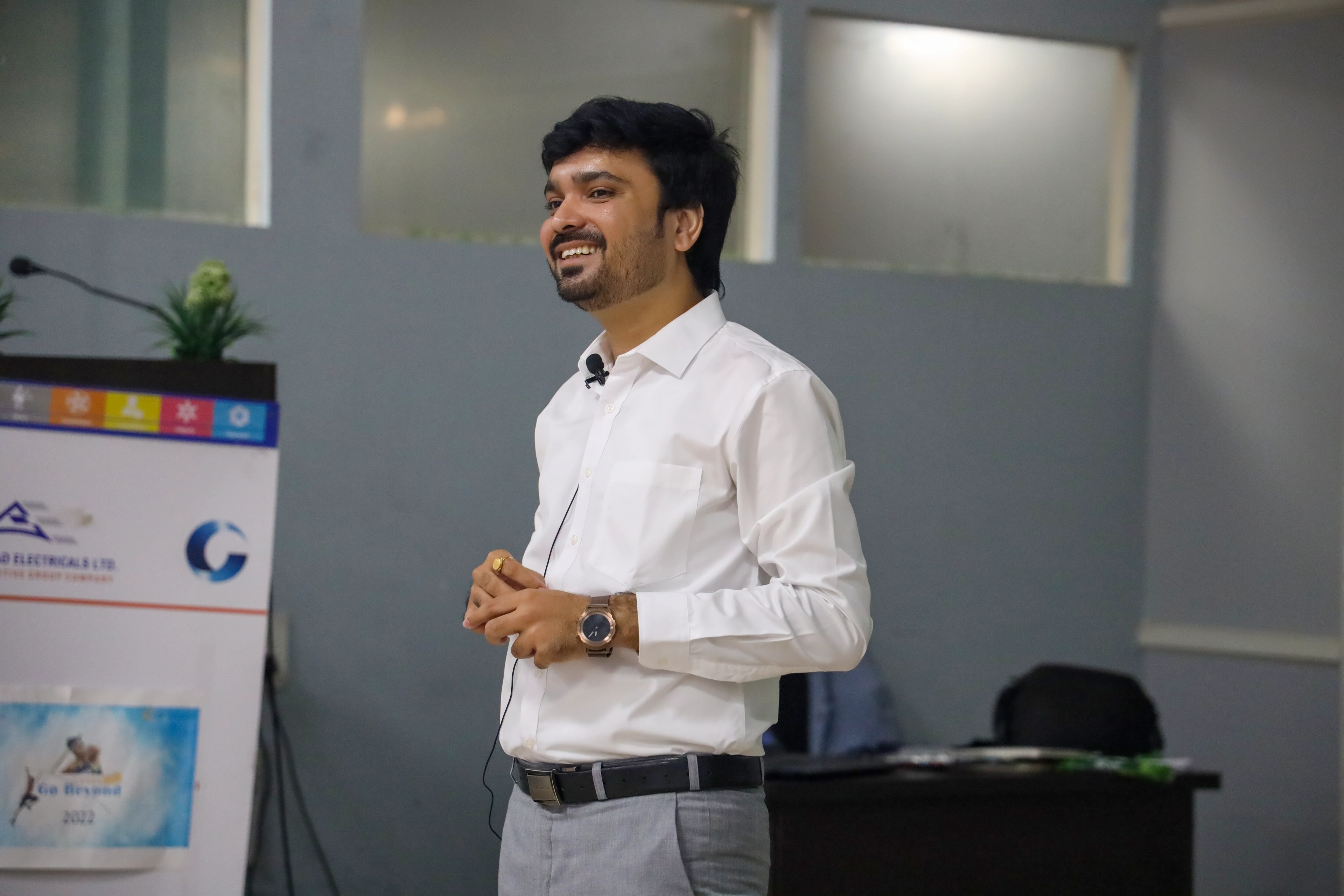
I had the reputation. I had the skill. I had a government client actively inviting me to bid on a training contract that could have changed my business. And I lost it — not to a competitor, but to my own procrastination. This is the story of that bid, why it fell apart, and the Stress-Free Productivity system I built afterward so it would never happen to me — or to the leaders I train — again.
In short- I delayed a high-value government training bid for months despite being fully capable of winning it — and lost the contract to a rushed, last-minute submission.
- Procrastination isn't laziness; it's an overloaded mind with no system to prioritise what matters.
- I rebuilt my workflow using GTD (Getting Things Done) — five steps: Capture, Clarify, Organize, Reflect, Engage.
- A simple physical system — paper slips, three trays, and IN / P / Done stamps — made the abstract method concrete and sustainable.
- This is Technique #4 on the PQ (Productivity) side of the Winning Kite (KITE Leadership Framework) — because talent without a productivity system leaks opportunity.
Where this sits on your Winning Kite
Stress-Free Productivity is the fourth technique on the PQ — bottom — side of your Winning Kite (KITE Leadership Framework). PQ is what turns emotional intelligence (EQ, the left side) and relationship intelligence (RQ, the right side) into actual delivered results at the top of the kite. You can have every trait of EQ and every skill of RQ — and still lose the contract, because none of it converts into Success without a system that gets things done on time.
The Opportunity
I had been working as a behaviour trainer for both government and private organisations for several years by this point, and I had built a solid reputation in the field. I was confident — genuinely confident — that I could design and deliver a training programme that would be of real benefit to a large organisation. So when I found out that a government organisation had opened bidding for a new behaviour-training programme, I knew this was exactly the kind of opportunity I had been working toward. The contract was big. It was the kind of win that could reposition my entire practice.
I told myself I would get started on the proposal that week.
The Slow Collapse
I was extremely busy — other work commitments, personal responsibilities, the usual pile that every founder and freelance trainer carries. I kept delaying the application. Not refusing to do it. Just... delaying it. A day became a week. A week became a month. Months turned into more months, and I still had not submitted my bid.
I knew time was running out. I felt it. But knowing isn't the same as acting — I felt overwhelmed and unable to prioritise my workload effectively, so instead of tackling the proposal, I kept doing the tasks that were loud and immediate instead of the one that was important.
As the deadline for the bid submission approached, the stress and anxiety became constant. I realised, too late, that I hadn't given myself enough time to prepare a proposal that reflected the quality of work I was actually capable of.
The Rushed Submission — and the Rejection
Eventually, I did manage to submit my bid just before the deadline. But I knew, even as I hit send, that it was not my best work. It was thin where it needed to be thorough, generic where it needed to be specific to that government body's real needs. I felt disappointed in myself, knowing full well I could have done far better if I had simply managed my time from the start.
The proposal was rejected. We lost the opportunity to secure the contract — a contract that, on merit, I was arguably the strongest candidate for.
In hindsight, the failure had nothing to do with my training expertise. I should have taken time early to plan out my workload and prioritise properly. I could have delegated some of my other commitments, or simply asked for help managing the load. I could have reached out to colleagues or mentors for advice and support during the application process instead of trying to carry all of it silently, alone, until it was almost too late.
It Wasn't Just the Bid
The damage from that period didn't stop with one lost contract. A few months around the same stretch, I had friction with my own team and business partners. We needed to sit down and talk through important decisions in the company, but I was too busy to make the time. They were unhappy with me — not because I didn't care, but because my behaviour looked exactly like I didn't care. When you are constantly late to the things that matter to people, they don't experience your good intentions; they experience your absence.
It bled into my personal life too. I was late with small things that meant a lot — helping my wife with something she'd asked for days earlier, giving my mother her medicine on time. As a busy executive juggling several businesses, I simply did not have a system for holding onto the tasks that mattered, so they kept slipping — the government bid, my partners, my own family — all casualties of the same root problem.
Why We Actually Feel Stressed
This period forced me to ask a harder question: why do we feel stressed in the first place? Not stressed about one deadline — stressed as a baseline state.
The answer I arrived at is this: we feel stressed when our minds are cluttered with tasks and responsibilities we haven't properly addressed. It happens when we have too much to do and no reliable way of tracking it all, or when we aren't prioritising properly. Without a clear plan of action, our minds keep quietly reminding us — at 2 a.m., in the middle of a meeting, while we're trying to be present with our kids — of everything still undone. That background noise is what makes even capable, hardworking people feel overwhelmed.
Daniel Goleman's work on emotional intelligence talks about how an anxious, cluttered mind narrows our attention and degrades decision-making — which is exactly what happened to me on that proposal. I wasn't short on skill. I was short on bandwidth, because my mind was carrying dozens of untracked obligations at once.
Finding GTD
Later, I found a solution in the productivity classic "Getting Things Done" (GTD). I learned the core idea and adapted it to fit my own working style — as a speaker, YouTuber, business coach and trainer juggling many roles at once. Using the GTD method transformed how I operate. I want to be upfront that my experience is built on being someone with many overlapping responsibilities — if that describes you too, this method will help. If you want to be more productive, start by reducing the stress at work first. The productivity follows.
GTD is not just a to-do list. It's a complete work management system. It organises every task you're responsible for — from large strategic projects down to daily priorities and financial decisions. With GTD, I was finally able to sort through everything on my plate and prioritise properly, which led to real increases in productivity and a genuinely calmer working life.
In the months after I adopted it, I became noticeably more productive and could get more done in less time. That made me happier, and it made my work more enjoyable. It also freed up mental space to learn and absorb more — information I now use constantly as a speaker, YouTuber, business coach and trainer, whether I'm making decisions, creating videos, or leading a training room.
The Five Steps of GTD
Getting Things Done is a productivity method built on five steps:
- Capture — Write down every task, no matter how big or small. This alone gives the mind peace, because it no longer has to hold onto it.
- Clarify — Determine whether a captured item is actually something that needs to be done, and what doing it actually looks like.
- Organize — Sort tasks into manageable categories and decide the next concrete action for each one.
- Reflect — Take stock of the week's work and renew your plan, making sure nothing has been missed and you're still on track.
- Engage — Take meaningful, deliberate steps on the big projects — the ones with real weight, like a major investment or an important relationship — rather than letting them sit untouched.
Building the Physical System
To make GTD stick, I didn't just adopt it as a mental model — I built a physical system around it, using simple stationery: sketch pens, A4 art paper sheets, a stapler, paper trays, files and folders, a punch machine, paper clips, and rubber stamps. All of it stays on my table, always within reach, including a stack of blank loose paper.
The first move is to capture and clarify everything at hand. Every task goes on its own separate piece of paper, with the what, when, why, and where written out. If I need to renew my car insurance, that's one slip. Pay the LIC premium — another slip. Buy school notebooks for the kids, get new trousers, transfer money to someone — each one gets its own piece of paper, torn from an A4 sheet. It sounds almost too simple, but the physical act of writing each task down separately is what actually clears the mind.
Once captured, every task gets clarified into one of several types:
- Two-minute tasks — things you can finish right now, like a quick call to your mother. No need to even write these down; just do them.
- Deferred tasks — things that need more time, like preparing last month's sales report. These get written down and tracked.
- Project tasks — multi-step efforts, like building a CRM system for the office. These look simple on the surface but hide many smaller tasks that need organising.
- Best-person tasks — work that should be handed to whoever has the right skill, knowledge, or resources to do it well.
- Incubate tasks — items that need reflection and brainstorming before you can even decide on the next action.
The Stamp System — A Worked Example
Here is how it plays out in practice, using a case study from my own desk. Say the task is to create a sales report for the last month. I use three stamps — IN, P, and Done — to track its life on paper.
First, I capture the task on a slip: today's date, a note that it's a deferred task, a deadline, and whether I need help from anyone.
When I actually start working on it, I stamp it "IN" to mark that I've taken the task in hand — for instance, if it was captured on the 15th of May, the IN stamp might land on the 17th, the day I actually pick it up.
A few days later, during a review, I stamp it "P" to show progress is being made — the date on that stamp reflects the review date, not the original capture date. Finally, once the task is finished, it gets the "Done" stamp.
This simple visual trail means I can glance at any slip on my desk and instantly know its status — no digging through email threads, no relying on memory, no silent slippage like the one that cost me that government contract.
Reminders and Desk Layout
A crucial part of the GTD methodology, for me, is task reminders. I schedule them on Google Calendar so I don't overlook anything critical — the reminder appears at the right time and nudges me to act, which keeps stress down and productivity up.
The other piece is physical layout. On my office desk, I keep three paper trays — one for tasks that are ongoing, one for tasks that are finished, and one for tasks not yet started. It keeps my workspace clean and lets me find whatever I need in seconds, instead of the mental scramble that used to precede every deadline.
What This Means for You
If you are a manager, founder, or executive juggling multiple roles — and most people reading this are — ask yourself honestly: is there a version of that government bid sitting on your desk right now? A proposal, an application, a conversation with your team that you know matters but keep pushing to "tomorrow"?
The lesson from my own loss isn't "try harder" or "want it more." I wanted that contract badly, and I was skilled enough to win it. What I lacked was a system that would have surfaced that task early, forced me to clarify what it actually required, and kept it visibly "in progress" until it was genuinely done — instead of letting it hide in the clutter of an overloaded mind until it was almost too late.
This is exactly what I now build into the Signature Programs and corporate training sessions I run for teams across India — helping leaders build their own version of this system before their own "government bid" moment arrives.
Bring These Ideas to Your Team
Avinash Chate turns the traits in Stars at India Inc. into live leadership & emotional-intelligence workshops. TEDx speaker · 11+ yrs training Army, BRO, RBI, BARC, JSW & 1000+ leaders.
✅ Thanks! Avinash team will reach out within 24 hours.'}).catch(function(e){f.outerHTML='Something went wrong. WhatsApp +91 8793630001
'});return false;">Select ServiceKeynote / Motivational SpeakingLeadership Development TrainingTeam Building WorkshopManager DevelopmentEmployee TrainingBook Avinash Now →Or WhatsApp directly: +91 87936 30001
Work with Avinash Chate
- Signature Corporate Training Programs →
- The Winning Kite (KITE Leadership Framework) →
- All Corporate Training Topics →
Avinash Chate TEDx Speaker · Founder, The Future Corporate · Author of Stars at India Inc. Avinash has trained the Indian Army, BRO, RBI, BARC, JSW Steel and 1000+ corporate leaders across India. His work focuses on leadership, emotional intelligence and behavioural training rooted in Indian values and modern business needs. |
Frequently Asked Questions
What actually happened with Avinash Chate's government training bid?
A government organisation opened bidding for a large behaviour-training contract. Avinash, already a reputed trainer, kept delaying the proposal for weeks and months due to other commitments. He finally submitted a rushed bid just before the deadline — and it was rejected. The lesson wasn't about skill; it was about how procrastination silently kills good opportunities.
What is the GTD method Avinash Chate uses for stress-free productivity?
GTD (Getting Things Done) is a five-step system — Capture, Clarify, Organize, Reflect, Engage — that gets every task out of your head and onto paper or a tracked system, so your mind stops silently reminding you of unfinished work. Avinash adapted it into a physical stamp-and-tray system (IN, P, Done) that he still uses on his desk today.
Why does procrastination cause so much stress at work?
Stress builds when the mind is cluttered with unaddressed tasks. Without a system to capture and prioritise them, the brain keeps 'pinging' you about unfinished work — this background noise is what makes busy executives feel overwhelmed even when they are technically capable of the task at hand.
Where does Stress-Free Productivity sit on the Winning Kite framework?
Stress-Free Productivity (GTD) sits on the PQ — Productivity — side of the Winning Kite, the bottom anchor that, together with EQ (left) and RQ (right), lifts you toward Success (top). Without PQ discipline, even strong EQ and RQ can't convert opportunity into results.
Related Articles by Avinash Chate
- Driving Organizational Change in India: Client Testimonial 2026
- Influence: How Stars Persuade Without Authority
- Effective Delegation: Multiply Yourself Without Losing Control
Avinash Chate services
Corporate Training · Leadership Development · Team Building · Motivational Speaking · All service locations
← Back to all articles · Book Avinash Chate
By Avinash Chate — Maharashtra’s #1 Corporate Trainer & Motivational Speaker. .