Corporate Training Success Story: A 2-Day Program That Changed a Team
A real corporate training success story: employees describe how a 2-day program with Avinash Chate reshaped teamwork, ownership, and daily communication habits.
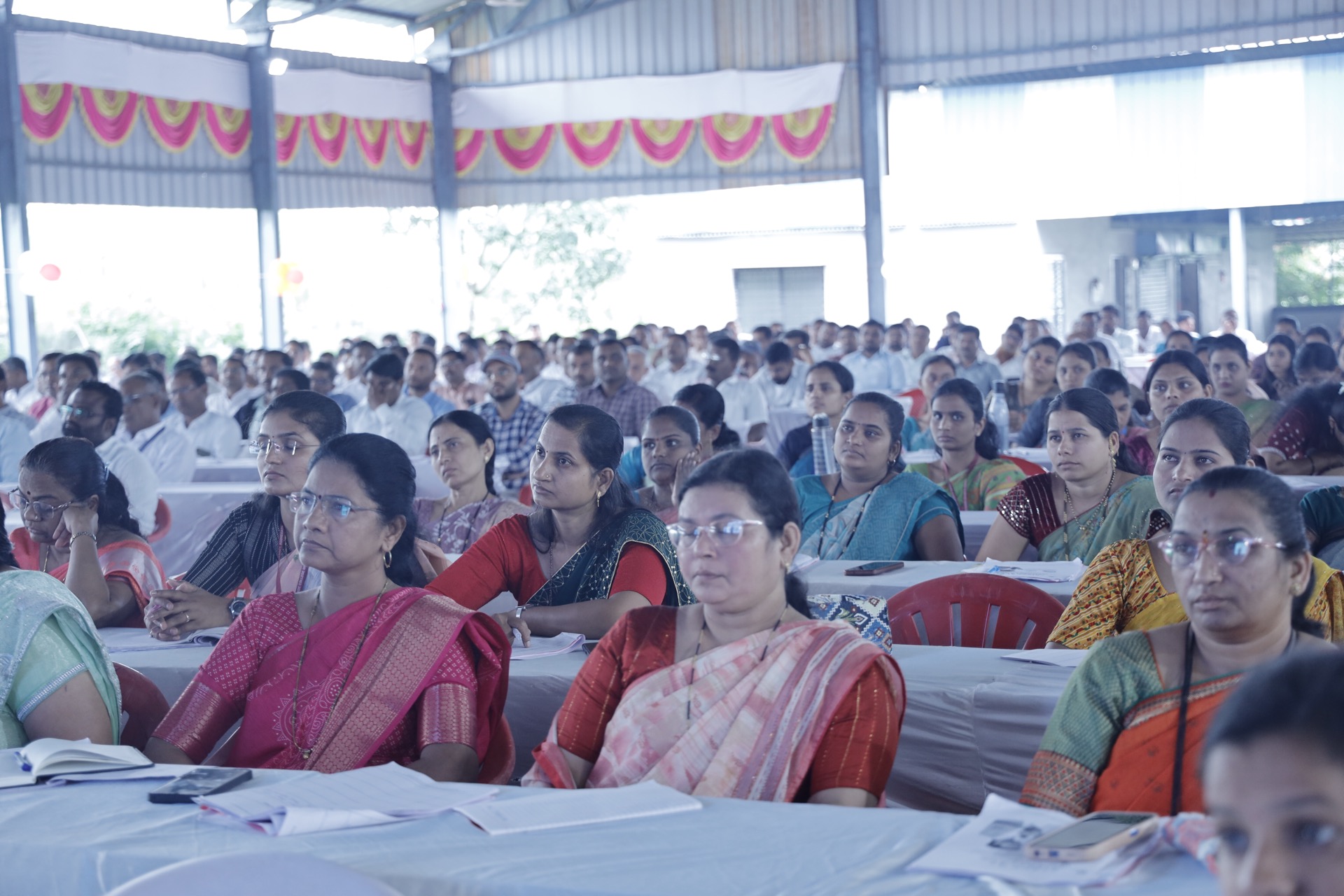
A corporate training success story looks like this: employees who once worked around each other start working as one team, correcting mistakes instead of hiding them. That's exactly what happened after a 2-day program with Avinash Chate — timely, since McKinsey found Indian managers spend 21 hours a week in meetings that rarely fix the root cause.
TL;DR- A 2-day training with Avinash Chate helped one organization fix teamwork and ownership issues
- Employees committed to treating the organization as their own and correcting mistakes together
- The training's real impact showed up in how staff described their own accountability afterward
- Real success stories are a better signal of a good trainer than a generic program brochure
- Booking the right corporate trainer starts with knowing what "success" should actually look like
What a Real Corporate Training Success Story Looks Like
Search for a corporate training success story and you'll find a lot of vague claims — "engagement improved," "culture shifted." A real one sounds different: specific people naming specific changes. That's what happened after a recent corporate training session for a Maharashtra-based organization. Staff didn't just sit through two days of sessions — they came out naming exactly what they'd change about how they work together, and that specificity is the real marker of training that lands rather than training that's merely attended.
Inside the 2-Day Training That Changed This Organization
The program ran two full days, built around one core idea: an organization only improves when its people stop treating problems as someone else's job. We worked through real scenarios from their floor — missed handoffs, unspoken frustrations, decisions nobody owned. By the second day, the conversation had shifted from complaints about the system to commitments about behaviour. That shift, from blaming structure to owning behaviour, is the actual outcome corporate training should produce — not a feedback form score, but a changed default response to the next mistake.
Why Teamwork and Ownership Were the Real Outcomes
Satish Malhari, a staff member at the organization, put it simply afterward: "आम्ही संस्था आपली म्हणून काम करणार, इथून पुढे काम करणार आहोत आणि आमच्याला चुका ज्या होतील त्यामध्ये आमच्याला सुधारणा पण आम्ही करू" — roughly, "We will work as if this organization is our own, and going forward, we will fix our own mistakes as they happen." That sentence is the training in one line: ownership over blame, correction over defensiveness. It's also exactly why many organizations invest in team building programs in the first place.
How Employees Described the Impact in Their Own Words
Employees didn't describe the training in terms of exercises or slides. They described it in terms of what they'd do differently on Monday morning — flag a mistake earlier, speak up in a meeting they'd normally stay quiet in, treat a colleague's problem as the team's problem. Satish specifically pointed to how many employees across the organization would benefit, not just the group in the room. That ripple effect — one trained group changing how an entire floor behaves — is the part a brochure can't show you, and the part that actually matters.
Signs Your Corporate Training Program Is Actually Working
If you're evaluating whether a program worked, don't just ask about satisfaction scores. Watch for whether people start naming their own mistakes without being asked, whether conversations shift from "they should fix this" to "we should fix this," and whether the change survives past the week after training. Those are the honest markers. Everything else — attendance, applause, feedback forms — is easy to manufacture and says very little about whether behaviour has actually moved.
| Sign | What It Looks Like | Why It Matters |
|---|---|---|
| Ownership language | Team says "we" instead of "they" about problems | Shows accountability has shifted from blame to action |
| Early flagging | Mistakes get raised before they escalate | Prevents small issues from becoming costly ones |
| Cross-team help | Staff step outside their role to help another team | Signals a shared-goal mindset, not just task completion |
| Behaviour after Week 1 | New habits are still visible a month later | Distinguishes real change from a one-week training high |
What to Look For Before You Book a Corporate Trainer
Before booking any corporate trainer, ask for outcomes like this one, not just a program outline. Ask what changed for a similar organization, not just what topics get covered. Ask whether the trainer works from real scenarios inside your industry or a generic deck reused across clients. A good trainer should be able to point to specific teams — in manufacturing, IT, or public-sector setups — where the training visibly changed how people worked together, the way it did here.
How to Book a Corporate Training Program With Avinash Chate
If your organization is dealing with the same gaps — teams that don't own mistakes, departments that blame each other, a culture that talks about change more than it practices it — a structured, scenario-based program can shift that faster than most people expect. The fastest way to find out what that could look like for your team is to get in touch directly.
Book Avinash Chate for Your Next Event
TEDx speaker. 11+ yrs training Army, BRO, RBI, BARC, JSW. Available for keynotes, leadership training, team building & manager development at your office or event venue.
✅ Thanks! Avinash team will reach out within 24 hours.'}).catch(function(e){f.outerHTML='Something went wrong. WhatsApp +91 8793630001
'});return false;">Select ServiceKeynote / Motivational SpeakingLeadership Development TrainingTeam Building WorkshopManager DevelopmentEmployee TrainingOutbound TrainingBook Avinash Now →Or WhatsApp directly: +91 87936 30001
Related Articles by Avinash Chate
- AT&T Network Crash: एका छोट्या Coding Error ने 9 तास देश थांबवला | Avinash Cate
- From Garage to ₹170 CR: The M-Tech Innovations Story India 2026
- Indigo Airlines Fine Exposes a Dangerous Leadership Mistake Every Office Makes
Work with Avinash Chate
- Team Building Trainer in Pune →
- Signature Corporate Training Programs →
- Best Motivational Speaker in Mumbai →
Avinash Chate TEDx Speaker · Founder, The Future Corporate · 11+ yrs experience Avinash has trained Indian Army, BRO, RBI, BARC, JSW Steel and 1000+ corporate leaders across India. His work focuses on leadership development, communication skills, and behavioural training rooted in Indian values and modern business needs. |
Frequently Asked Questions
What makes a corporate training program a genuine success story?
A genuine success story shows specific behaviour change — employees naming their own mistakes, taking ownership of problems, and working across teams — rather than just high satisfaction scores on a feedback form.
How long does it take to see results from corporate training?
Some shifts, like language and attitude, show up within days of a well-run program. Deeper, sustained behaviour change typically needs reinforcement over 4-6 weeks after the initial session, which is why many organizations schedule a short follow-up.
What does Avinash Chate focus on in a 2-day corporate training program?
The focus is on real scenarios from the organization's own floor — missed handoffs, unaddressed mistakes, unclear ownership — worked through until the group commits to specific behaviour changes, not generic communication theory.
How do I book a corporate training program for my organization?
You can share your organization's specific challenges through the contact page, and the right program format — from a single session to a multi-day workshop — gets built around what your team actually needs.
Avinash Chate services
Corporate Trainer in Maharashtra · Top Corporate Trainers in Maharashtra · Leadership Trainer in Maharashtra · Top Leadership Trainers in Maharashtra · Team Building Trainer in Maharashtra · Top Team Building Trainers in Maharashtra · Motivational Speaker in Maharashtra · Top Motivational Speakers in Maharashtra · All service locations
← Back to all articles · Book Avinash Chate
By Avinash Chate — Maharashtra’s #1 Corporate Trainer & Motivational Speaker. .