Generalist vs Specialist Career Growth: The Yamaha Story
Should you specialize or build range? Avinash Chate breaks down the generalist vs specialist career growth debate using Yamaha's surprising business pivot.
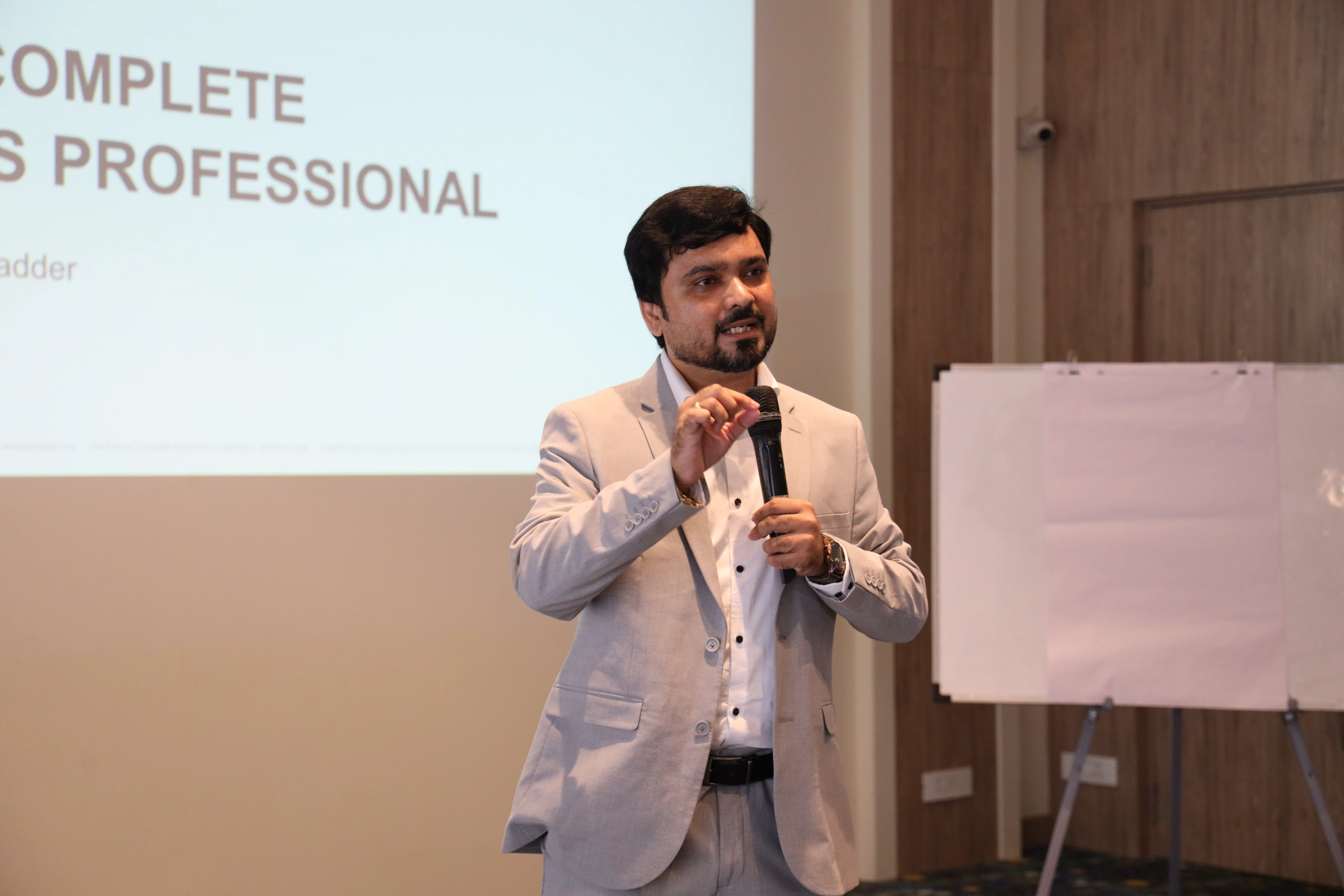
Should you specialize in one skill, or build a wider range across functions? The safer career bet, especially as industries keep shifting, is range: being capable enough across roles that no single shrinking market can corner you. With India's L&D market now crossing Rs 1.5 trillion, companies increasingly reward professionals who can move across functions, not just master one.
TL;DR- Yamaha started as an organ maker, built aircraft propellers in WWII, then turned leftover machines and metal into motorcycles — because it never stayed in one lane.
- Staying strictly "in your lane" at work can feel safe, but it leaves you stuck when demand for that one skill dries up.
- Generalists who build range across functions tend to have more career options when the market shifts.
- Being an expert is valuable, but pairing expertise with curiosity about adjacent skills builds real career resilience.
- Avinash Chate's advice: keep expanding your range, stay curious, and don't let one job title define your ceiling.
What does "generalist vs specialist" actually mean at work?
A specialist goes deep into one skill or function — a designer who only designs, a salesperson who only sells. A generalist builds range: enough working knowledge across functions to move where the opportunity is. Neither is "wrong," but they carry different risks. A specialist bets everything on one skill staying in demand. A generalist spreads that bet across several, which matters when whole roles can shrink or disappear within a few years.
Why do managers tell employees to "stay in their lane"?
Most of us have heard it in a review meeting: "focus on your own department," "that's not your job," "stay in your lane." It sounds like good discipline, and sometimes it is. But I have watched talented people get boxed into one narrow skill for years, only to struggle the moment that skill stopped being the priority. Staying in your lane feels safe right up until the lane closes.
What can Yamaha's 1887 origin story teach working professionals?
Yamaha's own history makes this case better than any theory. The company started in 1887 building organs and pianos. During World War II, the government asked it to try making aircraft propellers — a completely different craft, and Yamaha accepted. When the war ended, Yamaha was left with precision machines and metal stock it no longer needed for propellers. Instead of shutting that capability down, it built a motorcycle, entered a race, won, and stepped into an entirely new business — motorcycles. That single decision to stretch beyond "our lane is music" is why a Yamaha bike today still carries a tuning-fork logo born in a piano workshop.
What are the real risks of over-specializing in one skill?
Over-specializing has a real cost: when demand for your one skill dips, you have nowhere else to stand. Whole categories of work shift faster than most career plans account for — NASSCOM-Deloitte estimates India will need 1.25 million AI professionals by 2027, a demand curve that did not exist for most specialists a few years ago. Professionals with range can move toward where demand is growing; narrow specialists often can't.
| Factor | Specialist | Generalist (Range) |
|---|---|---|
| Depth of skill | Very high in one area | Working knowledge across several areas |
| Risk if demand shifts | High — few alternatives if the skill loses relevance | Lower — can pivot toward growing roles |
| Speed to expert-level output | Faster, deeper results early | Slower depth, but faster adaptation later |
| Best suited for | Stable, well-defined technical roles | Fast-changing industries, leadership tracks, entrepreneurship |
| Yamaha parallel | Staying "only a piano company" | Organs to propellers to motorcycles |
How do you build career range without losing focus?
Building range doesn't mean abandoning your core skill — it means treating curiosity as part of the job, not a distraction from it. Sit in on the sales call even if you're in design. Learn how finance reads the numbers you produce. Around 65% of Indian companies are already investing in soft-skill and cross-functional training for exactly this reason. If you're looking to build this kind of range deliberately in your team, Avinash Chate's corporate training programs are built around exactly this shift from narrow expertise to adaptable range.
What did Avinash Chate say about staying in your lane?
As Avinash puts it in his own words: "लेन में नहीं रहे, रेंज में रहे" — "Don't stay in your lane, stay in your range." His point isn't that expertise is bad; it's that a specific lane can quietly become a trap the moment the market around it changes, while range keeps your options open.
How does this apply to corporate training and leadership development?
This is exactly the shift Avinash brings into corporate rooms — helping teams and individuals see that career resilience comes from range, not just depth. If your organisation is rethinking how it builds future-ready talent, explore Avinash's motivational speaking and training sessions designed around real career-growth lessons like this one, not generic motivation.
Book Avinash Chate for Your Next Event
TEDx speaker. 11+ yrs training Army, BRO, RBI, BARC, JSW. Available for keynotes, leadership training, team building & manager development at your office or event venue.
✅ Thanks! Avinash team will reach out within 24 hours.'}).catch(function(e){f.outerHTML='Something went wrong. WhatsApp +91 8793630001
'});return false;">Select ServiceKeynote / Motivational SpeakingLeadership Development TrainingTeam Building WorkshopManager DevelopmentEmployee TrainingOutbound TrainingBook Avinash Now →Or WhatsApp directly: +91 87936 30001
Related Articles by Avinash Chate
- Corporate Training Success Story: A 2-Day Program That Changed a Team
- Givers, Matchers, Takers: Which Workplace Mindset Do You Have?
- How to Improve Skills at Work: The Robot Bird Lesson
Work with Avinash Chate
- Signature Corporate Training Programs →
- Best Motivational Speaker in Maharashtra →
- Team Building Trainer in Pune →
Avinash Chate TEDx Speaker · Founder, The Future Corporate · 11+ yrs experience Avinash has trained Indian Army, BRO, RBI, BARC, JSW Steel and 1000+ corporate leaders across India. His work focuses on leadership development, communication skills, and behavioural training rooted in Indian values and modern business needs. |
Frequently Asked Questions
Is it better to be a generalist or a specialist for career growth?
There's no single right answer, but in fast-changing industries, professionals with range — working knowledge across two or three functions — tend to have more options when demand shifts. Deep specialization still has value, especially early in a career, but pairing it with broader skills reduces the risk of being cornered by one shrinking role.
What is the "stay in your lane" mindset and why is it risky?
"Stay in your lane" means focusing only on your defined role and not engaging with adjacent skills or functions. It can build discipline and depth, but the risk is that if that specific lane loses relevance — due to automation, restructuring, or market shifts — you have little else to fall back on.
What is the Yamaha story about staying in your lane?
Yamaha began in 1887 making organs and pianos. During World War II it was asked to manufacture aircraft propellers, and it took on the challenge. After the war, it repurposed its leftover machines and metal to build a motorcycle, won a race with it, and entered the motorcycle business — a completely different industry from where it started, all because it didn't stay confined to one lane.
How can I start building range in my career without losing my main skill?
Start small: spend time understanding how the functions next to yours actually work — how sales pitches your product, how finance reads your numbers, how leadership makes decisions. Keep your core skill sharp, but treat curiosity about adjacent areas as part of the job, not a distraction. Structured cross-functional or soft-skill training can accelerate this deliberately rather than leaving it to chance.
Avinash Chate services
Corporate Trainer in Maharashtra · Top Corporate Trainers in Maharashtra · Leadership Trainer in Maharashtra · Top Leadership Trainers in Maharashtra · Team Building Trainer in Maharashtra · Top Team Building Trainers in Maharashtra · Motivational Speaker in Maharashtra · Top Motivational Speakers in Maharashtra · All service locations
← Back to all articles · Book Avinash Chate
By Avinash Chate — Maharashtra’s #1 Corporate Trainer & Motivational Speaker. .