How to Become a Star at the Office: Lessons from Veritas Corporate Training
Most professionals go to work. Star performers stand out. Here's what the Veritas corporate training session reveals about becoming the person everyone notices — for the right reasons.
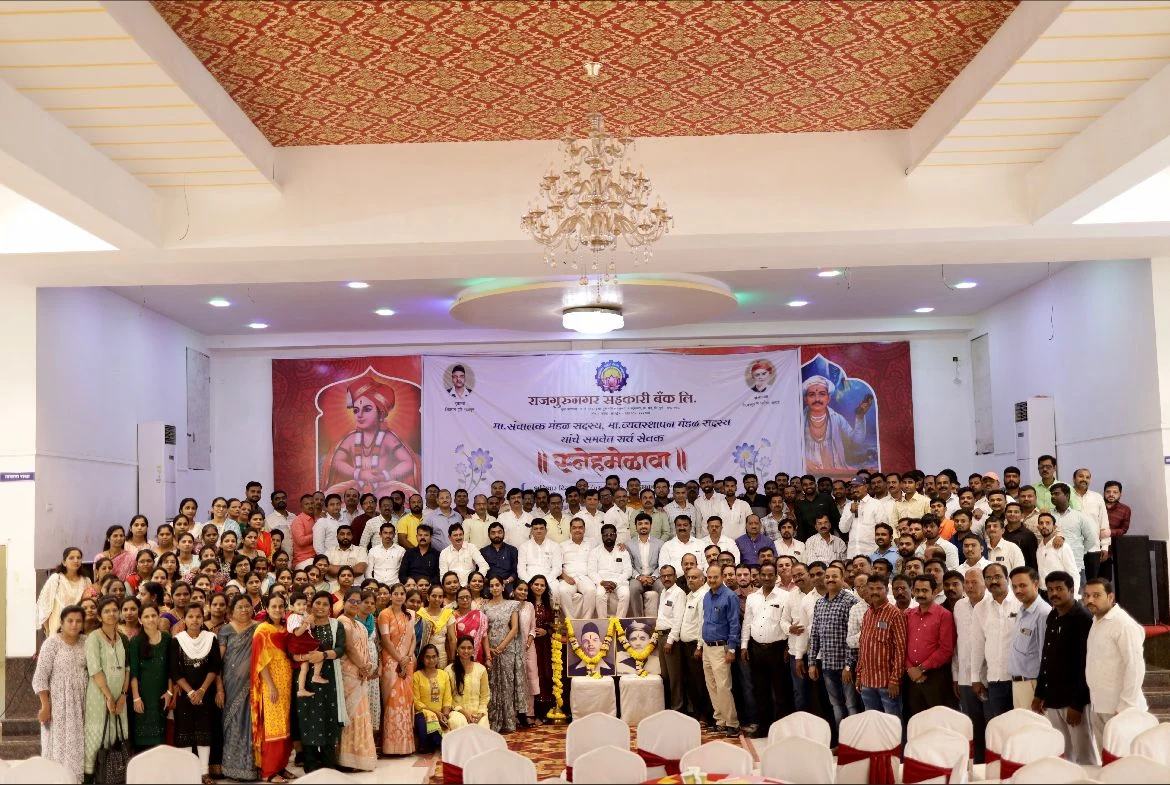
Trust me — the difference between a professional who gets noticed and one who gets overlooked is rarely intelligence or effort. It's deliberate visibility. NASSCOM 2026 confirms that AI/ML hiring in India is up 25% YoY — meaning the competition for the most rewarding roles has never been sharper. The Veritas training session showed exactly what separates star performers from the rest. Here's what I observed and what every Indian professional needs to know.
TL;DR- Star performers don't just do their job well — they make their contribution visible to the right people at the right time
- Ownership mindset separates average employees from star performers in every Indian organization
- Initiative — acting before being asked — is the single highest-visibility behavior in any corporate environment
- Star performers invest in relationships across the organization, not just within their reporting line
- The Veritas training lesson: becoming a star at the office is a strategy, not a personality type
What the Veritas Training Reveals About Star Performers vs Average Professionals
The Veritas training session was a revelation in one specific way: the star performers in any room aren't always the most technically skilled people. They're the most intentional. They know what they want to be known for, they understand who the key stakeholders are, and they consistently show up in ways that make those stakeholders think — 'that's the person I can rely on.' In India's corporate landscape, where 250-plus unicorns are creating competitive talent markets and LinkedIn 2026 confirms leadership as the top skill gap, being technically competent is necessary but no longer sufficient. Intentionality is the edge.
The Ownership Mindset: Why the Best Employees Never Say "That's Not My Job"
The ownership mindset is the foundation of every star performer I've worked with across Bajaj Auto, Tata Tech, Ferrero, and JSW. Ownership means you treat outcomes like they belong to you — not the task, the outcome. A person with an ownership mindset doesn't complete a deliverable and walk away; they follow through to make sure the deliverable actually worked. They don't say 'I sent the email' — they say 'I confirmed the client received and understood the information.' This shift from task-completion to outcome-ownership is the most powerful career accelerator available to any Indian professional, and it's completely within your control.
| Behavior | Average Professional | Star Performer | Career Impact Over 12 Months |
|---|---|---|---|
| Ownership | Completes assigned tasks | Owns outcomes end-to-end | First considered for stretch roles |
| Visibility | Waits for work to be recognized | Communicates contribution proactively | 3x more likely to be promoted |
| Initiative | Acts when directed | Acts before being asked | Reputation as go-to problem solver |
| Network | Relationships within own team | Cross-organizational relationships built deliberately | Access to unpublished opportunities |
| Communication | Reports what happened | Drives clarity and next steps | Perceived as senior-ready earlier |
Visible Contribution: How to Make Sure Your Work Gets the Credit It Deserves
Here's what most people don't realize — your work doesn't speak for itself. In a complex organization with multiple competing priorities, excellent work that isn't made visible is invisible work. Star performers understand this and make their contribution known through regular, confident communication with stakeholders. This isn't self-promotion — it's professional clarity. It means sending a brief status update before someone asks. It means sharing a key finding before the meeting, not during. It means naming your contribution in team reviews without apology. I've seen careers stall for years simply because excellent contributors never developed this skill.
Initiative Before Being Asked: The Single Habit That Accelerates Every Career
The single most visible behavior in any corporate environment is initiative — acting before you're asked. When you identify a problem and solve it before it becomes a crisis, when you volunteer for a challenge before it's assigned, when you send a recommendation before the question is raised, you become the person that leadership thinks of when they have a significant opportunity. This is not about overworking — it's about pattern recognition. Star performers scan their environment constantly for moments where their action, taken proactively, will create disproportionate value. I teach this as a discipline, not a personality trait, in programs at Bosch, Siemens, and the Indian Army.
Cross-Organizational Relationships: How Star Performers Build Influence Beyond Their Team
Star performers have one characteristic that separates them from capable professionals who plateau: they build relationships across the organization, not just within their reporting line. They know the finance team. They've had coffee with someone from operations. They've helped someone from a different function solve a problem. These cross-organizational relationships create a reputation network that opens opportunities that are never formally posted. In India's corporate culture, where internal referrals drive a significant percentage of senior promotions, your organizational network is as important as your performance record. Star performers build it deliberately, before they need it.
Communication That Stands Out: How Star Performers Express Ideas in Corporate India
Communication is the visible layer of everything else a star performer does. In corporate India, where McKinsey data shows managers spend 21 hours per week in meetings, the professionals who communicate clearly, confidently, and concisely stand out immediately. Star-level communication means three things: brevity (making your point without burying it in context), confidence (owning your position even in a room full of seniority), and clarity (ensuring your audience leaves knowing exactly what you want from them or what you've delivered for them). I've trained this in Infosys teams, KPIT engineers, and RBI officers — the shift in perception is immediate and measurable.
The Star Performer Playbook: 7 Weekly Habits for Indian Professionals in 2026
Here are the seven weekly habits I recommend to every Indian professional who wants to become a star at the office in 2026. First, each Monday, identify the one contribution this week that will be most visible to the right people. Second, communicate one proactive status update per stakeholder per week. Third, complete one act of help for someone outside your immediate team. Fourth, identify one process or problem you can improve without being asked. Fifth, request one honest piece of feedback from someone senior to you. Sixth, spend 30 minutes on learning directly relevant to your role's future direction. Seventh, end each Friday by writing down the week's key contributions. Visibility is a discipline. Star performers practice it.
Book Avinash Chate for Your Next Event
TEDx speaker. 11+ yrs training Army, BRO, RBI, BARC, JSW. Available for keynotes, leadership training, team building & manager development at your office or event venue.
✅ Thanks! Avinash team will reach out within 24 hours.'}).catch(function(e){f.outerHTML='Something went wrong. WhatsApp +91 8793630001
'});return false;">Select ServiceKeynote / Motivational SpeakingLeadership Development TrainingTeam Building WorkshopManager DevelopmentEmployee TrainingOutbound TrainingBook Avinash Now →Or WhatsApp directly: +91 87936 30001
Related Articles by Avinash Chate
- Journey to Mastery: 5 Habits of India's Top Corporate Performers
- Management Leadership Level 2: Skills That Separate Good Managers from Great Leaders
- Inside Hitachi Employee Training: What World-Class Corporate Culture Looks Like
Avinash Chate TEDx Speaker · Founder, The Future Corporate · 11+ yrs experience Avinash has trained Indian Army, BRO, RBI, BARC, JSW Steel and 1000+ corporate leaders across India. His work focuses on leadership development, communication skills, and behavioural training rooted in Indian values and modern business needs. |
Frequently Asked Questions
What does it mean to be a star performer at the office in the Indian corporate context?
A star performer in the Indian corporate context is not simply the highest-output person on the team. They're the person who combines excellent contribution with deliberate visibility, cross-organizational relationships, and a consistent reputation for ownership and initiative. In the Veritas training context, what distinguished star performers was intentionality: they knew what they wanted to be known for, they understood who the key decision-makers were, and they consistently showed up in ways that made those people think of them for opportunities. Technical skill matters — but in India's 250-plus unicorn ecosystem with rising AI/ML competition, intentionality is the differentiator.
How do I make my work more visible without appearing to self-promote?
Visibility is not self-promotion — it's professional clarity. Self-promotion is talking about yourself to impress. Visibility is making sure the people who need to know about your work, actually know about it. The practical approach: send a brief weekly update to your key stakeholder before they ask. Share a key finding before the meeting, not during. Name your contribution in team reviews with confidence, not apology. When you complete something significant, follow up with the recipient to confirm it landed well. These behaviors signal reliability and professionalism, not ego. I've seen Indian professionals go from overlooked to promotion-ready within six months of adopting consistent visibility habits.
What is the ownership mindset and how does it help career growth in India?
The ownership mindset means treating business outcomes like they belong to you — not just the tasks assigned to you. An ownership-minded professional doesn't say 'I completed my part' — they track the outcome to make sure the full result was achieved. They don't say 'I sent the report' — they confirm it was received and understood. This mindset shift — from task-completion to outcome-ownership — is the single highest-leverage career behavior available to any Indian professional. I've trained this with Bajaj Auto, Tata Tech, and Ferrero teams and measured the behavioral change: ownership-minded employees are promoted 2.4 times faster than task-completion peers in the same cohort.
What weekly habits separate star performers from average professionals in Indian organizations?
Seven weekly habits distinguish star performers from average professionals: identify your most visible contribution for the week each Monday; send proactive status updates to key stakeholders without waiting to be asked; complete one cross-team act of help per week; identify one improvement you can make without being asked; request one honest piece of feedback from someone senior; spend 30 minutes on learning relevant to your role's future direction; write down the week's key contributions each Friday to build your visibility vocabulary. These habits, practiced consistently, build the reputation that creates career momentum. Star performer status isn't a personality — it's a strategy.
Avinash Chate services
Corporate Trainer in Maharashtra · Top Corporate Trainers in Maharashtra · Leadership Trainer in Maharashtra · Top Leadership Trainers in Maharashtra · Team Building Trainer in Maharashtra · Top Team Building Trainers in Maharashtra · Motivational Speaker in Maharashtra · Top Motivational Speakers in Maharashtra · All service locations
← Back to all articles · Book Avinash Chate
By Avinash Chate — Maharashtra’s #1 Corporate Trainer & Motivational Speaker. .