Management Leadership Level 2: Skills That Separate Good Managers from Great Leaders
Most Indian managers master Level 1 — hitting targets and managing tasks. Level 2 is where real leadership begins: influence, culture, and strategic thinking. Here's the playbook.
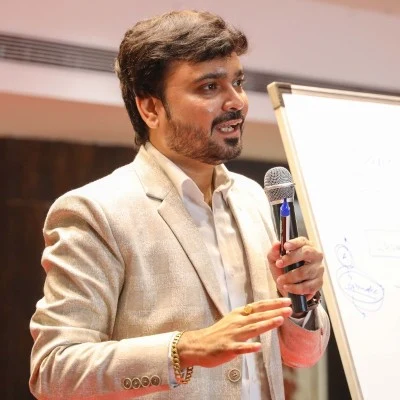
Here's the thing — LinkedIn India 2026 just confirmed that leadership skills are the number one skill gap in Indian organizations. Most managers in India are excellent Level 1 leaders: they hit targets, manage processes, and keep teams moving. But Level 2 — influence without authority, culture-building, strategic thinking, and leading through uncertainty — that's where 90% of Indian corporate careers stall. I want to change that.
TL;DR- Level 1 management is about hitting targets — Level 2 leadership is about shaping the people and culture that consistently deliver those targets
- Influence without authority is the defining Level 2 skill — learning to lead without relying on title or mandate
- Strategic thinking at Level 2 means connecting daily work to long-term organizational direction, not just quarterly goals
- Culture-building is a leadership skill, not an HR responsibility — Level 2 leaders understand this and act accordingly
- The jump from good manager to great leader in India requires deliberate practice, not just more years of experience
What Is Level 2 Leadership and Why Most Indian Managers Never Get There
Level 1 leadership is about management: you execute strategy, you hit targets, you keep your team functional and your stakeholders satisfied. Most Indian corporate professionals who reach management roles do Level 1 well — it's what got them promoted. Level 2 is categorically different. It's about shaping the conditions that make great performance possible: building trust across functions, creating a culture people want to stay in, aligning teams to a direction that goes beyond the next sprint. LinkedIn India's 2026 data confirms that leadership skills are the top gap in Indian organizations — and the skills it's measuring are almost entirely Level 2.
Influence Without Authority: The Core Skill That Defines Level 2 Leaders
The single most important Level 2 skill is influence without authority — the ability to move people, align perspectives, and create momentum without relying on your title or your mandate. This is uncomfortable for most Indian managers because the system rewards authority. You become a manager, people report to you, things happen. But beyond a certain point, every significant outcome you need requires people who don't report to you: cross-functional stakeholders, vendors, clients, senior sponsors. What gets them moving is not your org chart. It's your credibility, your communication, and your ability to make people want to say yes. I've built this skill in over 200 mid-level managers across Mahindra, Infosys, and KPIT.
Strategic Thinking for Indian Managers: From Quarterly Targets to Long-Term Direction
Strategic thinking is not a personality trait reserved for the C-suite. It's a learnable skill, and Level 2 leaders in India are starting to understand this. Strategic thinking means being able to hold your immediate work and the broader organizational direction in your mind simultaneously — and to make daily decisions that serve both. McKinsey India 2026 data shows Indian managers spend 21 hours per week in meetings, most of which are operational. The Level 2 upgrade is carving out deliberate time for thinking about direction — where your team, your function, and your organization are going in 18 months — and letting that shape what you prioritize today.
| Leadership Skill | Level 1 (Good Manager) | Level 2 (Great Leader) | How to Develop in India 2026 |
|---|---|---|---|
| Influence | Directs reports, uses authority | Moves people across functions without title | Take cross-functional projects, practice stakeholder alignment |
| Strategic Thinking | Focuses on quarterly targets | Connects daily work to 18-month direction | 2 hours/week strategic reflection, no meetings |
| Culture Building | Follows existing team norms | Deliberately shapes team values and behavior | Debrief team behavior after every difficult moment |
| Communication | Shares information clearly | Listens at depth, aligns through questions | Practice structured listening in 1-on-1s |
| Decision Making | Responds to immediate pressure | Decides from values + evidence + long-term impact | Build a personal decision framework, review quarterly |
Culture Building Is a Leadership Skill, Not an HR Problem
Culture is often described as something that happens to organizations, not something leaders actively build. Level 2 leaders know better. Culture is the product of decisions made repeatedly, especially under pressure. The norms your team develops — how they handle failure, how they treat disagreements, how they support each other in crunch periods — these emerge from the choices you make as a leader every single day. When I work with HR leaders at Bajaj Auto or L&T, the conversation always comes back to the same truth: culture isn't built in workshops. It's built in the way a manager responds to the first difficult moment after the workshop ends.
Communication at Level 2: How Great Indian Leaders Speak, Listen, and Align
Communication at Level 2 has three components that most Indian managers haven't developed: listening at depth, aligning through questions rather than directives, and communicating with conviction in ambiguous situations. Listening at depth means holding space for a conversation long enough to understand the real concern behind the stated concern. Aligning through questions means using inquiry to build shared understanding rather than broadcasting your position. Communicating with conviction in ambiguity means being clear about what you know, honest about what you don't, and steady about where you're heading — even when the path isn't fully visible. These three skills separate Level 1 managers from Level 2 leaders in every organization I've worked with.
From Reaction to Intention: How Level 2 Leaders Make Decisions Differently
Level 2 leaders are intentional leaders. They make decisions from a framework, not from the pressure of the immediate situation. What's the framework? Values + evidence + long-term impact. Before making a significant decision, they ask: does this align with what I stand for, what does the data tell me, and how will I feel about this choice in 12 months? This sounds simple, but it requires practice. Most Indian managers make decisions reactively — responding to whoever knocked last or whoever pushed hardest. Building the discipline of intentional decision-making is one of the highest-leverage activities a developing Level 2 leader can undertake.
The Level 2 Leadership Development Plan: What Every Indian Manager Needs to Do in 2026
The Level 2 leadership development plan for 2026 has four components. First, find a coach or senior leader who models Level 2 behaviours and study them closely — not their output, but their process. Second, take on at least one cross-functional challenge this year that requires influence without authority — it's the fastest way to develop that muscle. Third, dedicate two hours per week to strategic thinking: no email, no meetings, just structured reflection on where things are heading. Fourth, build a personal board — five people who will give you honest feedback about your leadership. India's ₹1.5 trillion L&D market is full of courses. What it lacks is intentional, honest, applied practice. That's what Level 2 really requires.
Book Avinash Chate for Your Next Event
TEDx speaker. 11+ yrs training Army, BRO, RBI, BARC, JSW. Available for keynotes, leadership training, team building & manager development at your office or event venue.
✅ Thanks! Avinash team will reach out within 24 hours.'}).catch(function(e){f.outerHTML='Something went wrong. WhatsApp +91 8793630001
'});return false;">Select ServiceKeynote / Motivational SpeakingLeadership Development TrainingTeam Building WorkshopManager DevelopmentEmployee TrainingOutbound TrainingBook Avinash Now →Or WhatsApp directly: +91 87936 30001
Related Articles by Avinash Chate
- The Art of Concise Communication: Impact Every Indian Leader Needs in 2026
- Journey to Mastery: 5 Habits of India's Top Corporate Performers
- How to Become a Star at the Office: Lessons from Veritas Corporate Training
Avinash Chate TEDx Speaker · Founder, The Future Corporate · 11+ yrs experience Avinash has trained Indian Army, BRO, RBI, BARC, JSW Steel and 1000+ corporate leaders across India. His work focuses on leadership development, communication skills, and behavioural training rooted in Indian values and modern business needs. |
Frequently Asked Questions
What is the difference between Level 1 management and Level 2 leadership for Indian professionals?
Level 1 management focuses on execution: hitting targets, managing processes, keeping the team functional, and satisfying direct stakeholders. It's the set of skills that typically earn someone their first or second management role. Level 2 leadership is about shaping the conditions that make great performance possible over time — building a culture of trust, influencing across functions without formal authority, thinking strategically beyond the next quarter, and communicating with conviction in ambiguous situations. LinkedIn India's 2026 skills gap data shows that Level 2 skills are the most underrepresented in Indian organizations, and the gap is widening as organizational complexity increases.
How do I develop influence without authority as a mid-level manager in India?
Influence without authority is developed through deliberate practice in situations that require it — which is why the best development happens on cross-functional projects, not in training programs. Three practices accelerate it: first, invest in relationships before you need them — build credibility with stakeholders before you need their support. Second, lead with questions rather than positions in cross-functional conversations — people align to conclusions they help form. Third, deliver visible results on shared problems — nothing builds influence faster than being the person who solves something that others couldn't. I've trained this muscle in mid-level leaders at Mahindra, Infosys, and KPIT with measurable improvement in stakeholder alignment scores within six months.
Why is strategic thinking important for managers who are not at the C-suite level?
Strategic thinking matters for every manager who wants to stay relevant and get promoted into senior leadership. In a rapidly changing market — where NASSCOM-Deloitte projects 1.25 million AI-ready professionals needed in India by 2027 — managers who can only execute existing strategy become vulnerable. Strategic thinking at the manager level means understanding how your team's work contributes to the organization's long-term direction, anticipating how changes in the market or technology will affect your function, and proactively aligning your priorities accordingly. This is not the CEO's job exclusively. It's the job of every leader who wants to be more than a reliable executor.
What is the fastest way to move from a good manager to a great leader in India?
The fastest path from good manager to great leader is combining three things: honest feedback, applied challenge, and deliberate reflection. Get honest feedback from people above, below, and across from you in the organization — not performance reviews, but real conversations about your leadership blind spots. Apply yourself to a genuine challenge that requires Level 2 skills — cross-functional leadership, a culture transformation initiative, or a high-stakes stakeholder alignment. Then reflect deliberately after each significant leadership moment: what happened, what you did, and what you'd do differently. India's L&D market offers many courses. What actually develops leaders is honest feedback plus applied practice plus structured reflection — in that combination, done consistently.
Avinash Chate services
Corporate Trainer in Maharashtra · Top Corporate Trainers in Maharashtra · Leadership Trainer in Maharashtra · Top Leadership Trainers in Maharashtra · Team Building Trainer in Maharashtra · Top Team Building Trainers in Maharashtra · Motivational Speaker in Maharashtra · Top Motivational Speakers in Maharashtra · All service locations
← Back to all articles · Book Avinash Chate
By Avinash Chate — Maharashtra’s #1 Corporate Trainer & Motivational Speaker. .