The Art of Concise Communication: Impact Every Indian Leader Needs in 2026
India's most effective leaders share one communication superpower: they say more with less. Here's how to master concise communication and make every word count at work.
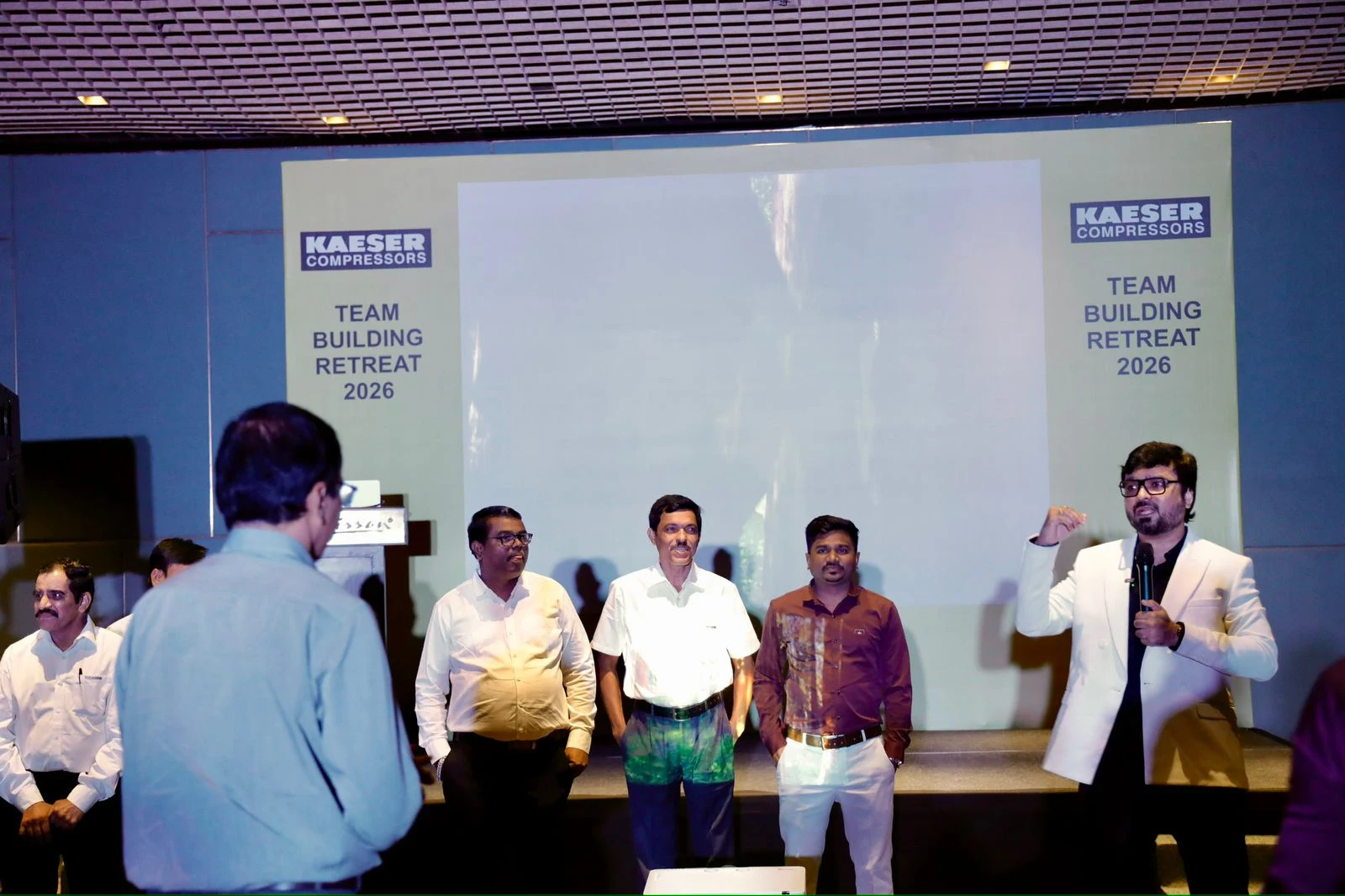
Here's the thing — McKinsey India data shows Indian managers spend 21 hours per week in meetings, yet most of that time produces minimal actionable clarity. The most powerful communicators I've worked with — across Bajaj Auto, Tata Tech, and the Indian Army — share one distinct habit: they communicate with precision and brevity. They never use ten words when three will do. They know exactly what they want to communicate, they state it clearly, and they stop. This guide is about learning that discipline.
TL;DR- Concise communication is a learnable skill — not a personality type — and India's best leaders have deliberately developed it
- The BLUF method (Bottom Line Up Front) is the single fastest communication upgrade any Indian professional can implement today
- Most Indian corporate communication suffers from over-explanation — which signals insecurity, not expertise
- Active listening is the hidden half of concise communication: you speak less when you understand more
- Clear, brief, impactful communication creates a reputation for competence and confidence that decades of excellent work alone cannot
Why Concise Communication Is the Most Undervalued Skill in Indian Corporate Culture
Indian corporate culture has a deep-rooted communication habit that works against impact: the tendency to over-explain. This shows up in presentations that spend 15 slides building context before making a point, in emails that bury the request in the third paragraph, in meetings that circle around the key decision for 45 minutes before someone finally states it. This isn't a cultural failing — it's a learned pattern, often rooted in the anxiety of being misunderstood or appearing presumptuous. But what it creates in the listener is the opposite of clarity: cognitive fatigue, disengagement, and the impression that the speaker isn't sure of their own message.
The BLUF Method: How India's Top Leaders Start Every Communication
BLUF — Bottom Line Up Front — is the communication framework used by the Indian Army, the most effective corporate boards, and the world's highest-stakes decision-making rooms. The principle is simple: state your conclusion first, then your supporting evidence. Not "I'd like to walk you through the context of this situation, which involves several factors that have developed over the past six months, ultimately leading to a recommendation I want to share..." — but "I recommend we proceed with Option A. Here are the three reasons." BLUF is the single fastest communication upgrade any Indian professional can implement today. It signals confidence, respects the listener's time, and positions you as someone who has already done the thinking.
| Communication Pattern | What It Sounds Like | Problem It Creates | Concise Alternative |
|---|---|---|---|
| Over-context before point | "I wanted to share some background..." | Listener disengages before the point arrives | State the point, then offer context if needed |
| Cushioning filler | "With due respect, I humbly suggest..." | Signals insecurity, reduces authority | "I recommend..." or "My view is..." |
| Passive voice requests | "It would be great if this could be done..." | Unclear ownership, low action rate | "Please complete this by [date]. Owner: [name]." |
| Buried asks in email | Request appears in paragraph 3 | Reader never reaches the ask | State the ask in subject line and first sentence |
| Answering before listening | Responding while other person speaks | Missing the real concern, wasted communication | Listen fully, reflect back, then respond |
Cutting the Filler: How to Eliminate the Phrases That Undermine Your Authority
Every professional communication contains filler — phrases that add length without adding meaning. In Indian corporate English, the most common fillers are: "As per my understanding..." (just state what you understand), "I would like to bring to your kind attention..." (just say what you're bringing to attention), "With due respect..." (just make your point), and "I hope this email finds you well" (every email reader skips this). Eliminating these fillers from your written and spoken communication does something counterintuitive: it makes you sound more expert, not less polite. Expertise communicates through precision. Insecurity communicates through cushioning.
The Pyramid Principle: Structuring Your Ideas for Maximum Clarity and Impact
The Pyramid Principle, developed at McKinsey, is the gold standard for structuring professional communication. The structure is simple: top of the pyramid is your governing thought (your conclusion or recommendation), the next level is your supporting arguments (usually three), and the base is your data and evidence. Most Indian professionals build their communication from the base up — they present all their evidence and then arrive at a conclusion. The Pyramid Principle reverses this: conclusion first, evidence second. This structure works for presentations, reports, emails, and verbal updates. I teach this to Infosys teams, RBI analysts, and engineering leaders at KPIT — and the shift in communication clarity is immediate.
Active Listening as a Communication Skill: Why India's Best Communicators Speak Less
The most concise communicators I've encountered in Indian corporate life are also the most disciplined listeners. This connection isn't coincidental — when you genuinely understand what the other person is saying, what they need, and what they're concerned about, your response is naturally more precise. You don't need to cover every possible angle because you know which angle matters. Active listening means listening to understand, not to respond. It means not preparing your next sentence while the other person is still speaking. It means asking a clarifying question before launching into your answer. This single listening discipline reduces the length of every important professional conversation.
Written Conciseness: How to Write Emails and Messages That Actually Get Read
Written communication is where conciseness failures are most damaging — because the evidence is permanent and reviewable. Every email that takes more than 30 seconds to read risks not being read at all. The rules for concise professional writing are: one email, one purpose (never bundle multiple requests); state the ask in the subject line; open with the bottom line; use three bullet points rather than three paragraphs when structure helps; end with a clear next step or deadline. I've trained these rules in Bosch teams, JSW communication workshops, and public sector leadership programs — and the most consistent feedback is that response rates and action rates improve immediately.
Building Your Concise Communication Practice: A 30-Day Plan for Indian Professionals
The 30-day concise communication plan: In week one, audit your last five emails and five verbal updates. Count the words before your first key point. Target: under 30 words of context before stating your main message. In week two, implement BLUF in every meeting contribution and email you write. In week three, identify your three most common filler phrases and practice a conscious substitute. In week four, practice active listening in every one-on-one: wait until the person finishes completely before speaking, then reflect back one sentence of what you heard before responding. After 30 days, ask one trusted colleague for honest feedback on your communication clarity. The improvement will be visible.
Book Avinash Chate for Your Next Event
TEDx speaker. 11+ yrs training Army, BRO, RBI, BARC, JSW. Available for keynotes, leadership training, team building & manager development at your office or event venue.
✅ Thanks! Avinash team will reach out within 24 hours.'}).catch(function(e){f.outerHTML='Something went wrong. WhatsApp +91 8793630001
'});return false;">Select ServiceKeynote / Motivational SpeakingLeadership Development TrainingTeam Building WorkshopManager DevelopmentEmployee TrainingOutbound TrainingBook Avinash Now →Or WhatsApp directly: +91 87936 30001
Related Articles by Avinash Chate
- Management Leadership Level 2: Skills That Separate Good Managers from Great Leaders
- Inside Hitachi Employee Training: What World-Class Corporate Culture Looks Like
- How John Yokoyama Saved a Bankrupt Fish Market with Workplace Energy
Avinash Chate TEDx Speaker · Founder, The Future Corporate · 11+ yrs experience Avinash has trained Indian Army, BRO, RBI, BARC, JSW Steel and 1000+ corporate leaders across India. His work focuses on leadership development, communication skills, and behavioural training rooted in Indian values and modern business needs. |
Frequently Asked Questions
Why is concise communication important for career growth in Indian corporate culture?
Concise communication is directly correlated with career advancement in Indian corporate culture because it signals one thing above all else: you've done the thinking. When you communicate concisely, you demonstrate that you understand the issue, you've formed a position, and you respect your audience's time. Conversely, over-explanation signals uncertainty. In India's competitive talent market — where LinkedIn 2026 confirms communication as a top leadership differentiator — professionals who communicate with precision and confidence are consistently perceived as more senior-ready than peers with equivalent technical skills but verbose communication patterns.
What is the BLUF method and how do I apply it in Indian corporate communication?
BLUF — Bottom Line Up Front — means you state your conclusion or recommendation first, then your supporting evidence. Instead of building context for five minutes before arriving at your recommendation, you open with: "My recommendation is X. Here are the three reasons." This applies in verbal presentations, emails, and one-on-one updates. To apply it: before any communication, ask yourself "what is the single most important thing I want this person to know or do?" Write that down. That is your opening sentence. Everything else is supporting evidence or context that follows. Most Indian professionals find that applying BLUF immediately improves their perceived confidence and authority in meetings.
How do I eliminate filler phrases from my professional communication in India?
Eliminating filler phrases requires first becoming aware of them. Audit your last five emails and five verbal contributions. Look for: "As per my understanding," "I would like to bring to your kind attention," "With due respect," "I hope this finds you well," and "I wanted to take this opportunity to." These add no meaning. Then create a conscious substitute for each: instead of "As per my understanding," just state what you understand. Instead of "With due respect," just make your point professionally. Practicing this substitution for 30 days creates a new communication habit. The effect is immediate: communication appears more confident and expertise-level even without changing the substance.
What is the fastest way to improve communication clarity as an Indian professional?
The fastest single improvement to communication clarity is implementing BLUF — starting every communication with your conclusion rather than your context. This immediately shortens communications, reduces listener cognitive load, and signals that you have a position and are confident in it. The second fastest improvement is active listening: committing to fully hear the other person before forming your response. These two practices — BLUF for speaking and active listening for receiving — produce a visible communication upgrade within 30 days and are observable by colleagues, managers, and clients without requiring any additional training or external support.
Avinash Chate services
Corporate Trainer in Maharashtra · Top Corporate Trainers in Maharashtra · Leadership Trainer in Maharashtra · Top Leadership Trainers in Maharashtra · Team Building Trainer in Maharashtra · Top Team Building Trainers in Maharashtra · Motivational Speaker in Maharashtra · Top Motivational Speakers in Maharashtra · All service locations
← Back to all articles · Book Avinash Chate
By Avinash Chate — Maharashtra’s #1 Corporate Trainer & Motivational Speaker. .