How to Empower Your Team to Make Decisions: The Buurtzorg Coach Rule
To empower your team to make decisions, coach without taking the final call. Buurtzorg's coach advises but never decides. Here is the habit managers can copy.
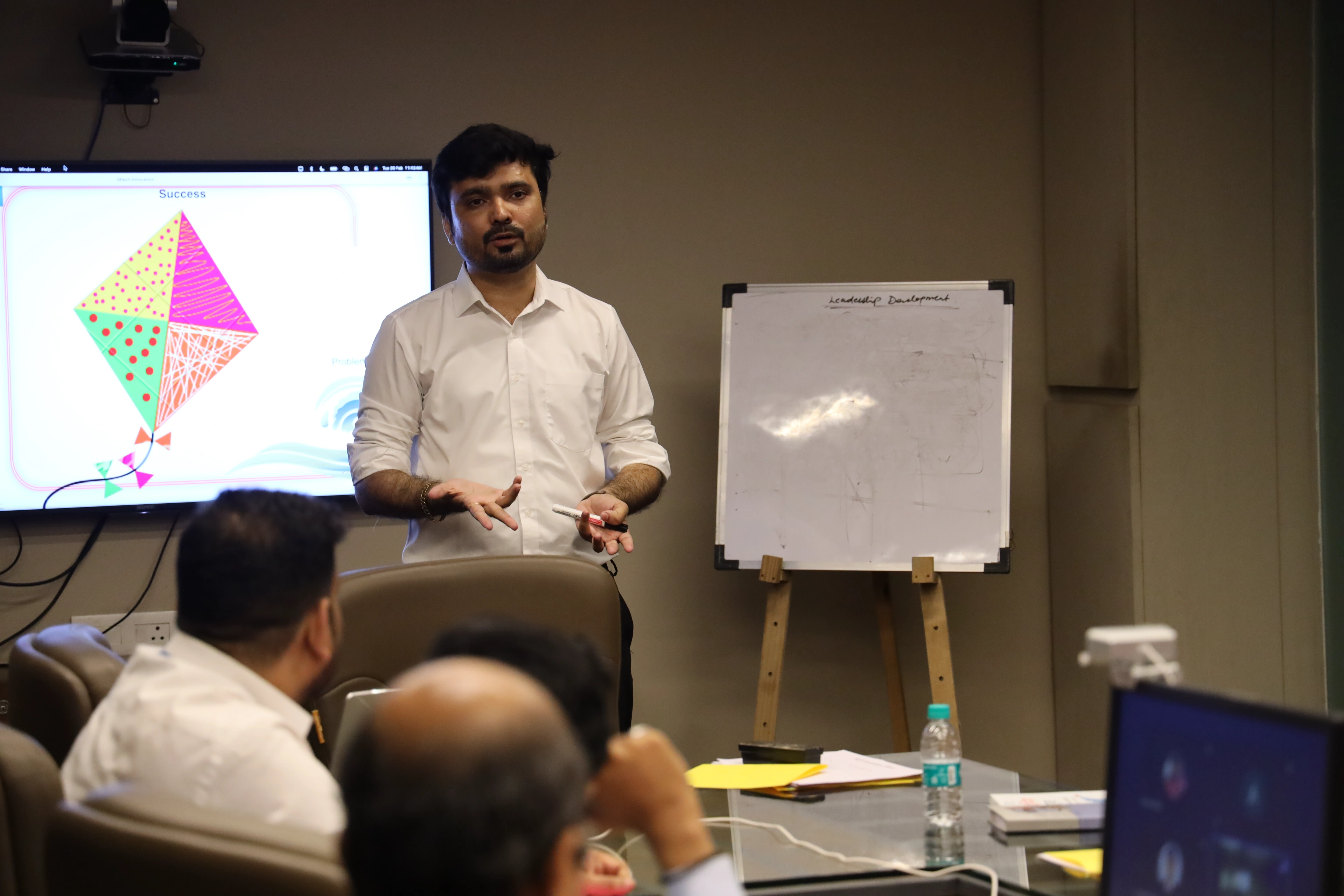
You empower a team to make decisions by helping them think, not by taking the decision back. At Buurtzorg, the Dutch home-care organisation, the coach can listen and advise but the final call stays with the team. About 65% of Indian firms invest in soft-skill training, yet few train managers in this one habit, and it is the one that frees a manager's week.
TL;DR- A coach who cannot decide forces the team to own the answer.
- Buurtzorg nurses work in small teams, set their own schedules and even run their own hiring interviews.
- Managers who answer every question train their team to wait for instructions.
- Try one change: ask "what do you suggest?" before you give your answer.
- HR can train this as a coaching habit, with real cases from your own teams.
What is the Buurtzorg coach rule?
In the video I recorded on this, I describe Buurtzorg, an organisation in the Netherlands that sends nurses to care for patients at their homes. The nurses work in small teams and make their own schedules. The team even decides how to conduct the interview and who to hire. When a team gets stuck, a coach listens, gives advice and helps them find a way forward, but does not make the final decision. In my words: "मदद मिलती है लेकिन फाइनल डिसीजन टीम का रहता है" (help is given, but the final decision stays with the team).
Why do managers keep taking decisions back?
Most managers I meet are not controlling people. They are helpful people. A team stalls, the manager knows the answer, so the manager gives it. It feels like support. In the video I describe the result: the boss decides who does what and how colleagues' disagreements get settled, then wonders why the team does nothing without him. Employees stop offering ideas and wait for the next instruction. Even on the boss's day off, a small question lands on his phone. The help is real, but it quietly teaches the team to depend on one person.
| What the manager says | What the team learns | Try this instead |
|---|---|---|
| "Do it this way." | Wait for instructions | "What approach do you suggest?" |
| "Send me the details, I will decide." | Every decision goes up | "Decide and tell me your plan." |
| "I will sort out the disagreement." | Peers do not solve their own issues | "Agree a way between you, then tell me." |
| "Call me even on my day off." | The manager is the bottleneck | "Use your judgment and brief me on Monday." |
What does it look like in an Indian office?
Picture a plant supervisor whose team asks him about every shift swap, or a sales head approving every small discount. Each question looks tiny. Together they fill his day and slow everyone else down. The Buurtzorg rule gives a simple test: is this the team's decision or mine? If it is theirs, I coach. I ask what they suggest, I add what I know, and I leave the choice with them. My earlier post on how to delegate authority to employees covers the handover side of this.
How do you practise it, step by step?
Next time a team brings you a problem, do four things. First, ask "what approach do you suggest?" before you say anything. Second, listen to the full answer without correcting it. Third, add the information only you have, such as budget limits or customer history. Fourth, say clearly, "This one is your call." Then watch what happens. The first few times the team will look at you for the answer. Stay patient. Within a few weeks the questions that reach you change from "what should I do?" to "here is what we plan, any concerns?"
What should HR and L&D teams train managers on?
If you buy training for managers, ask for more than a talk. Managers need to practise the coaching conversation on their own real cases, with feedback. A good programme covers when to coach and when to decide, how to ask open questions without sounding like a test, how to stay quiet in the room, and how to handle a team decision you would have made differently. This is the kind of behaviour change our signature programmes are built around, and our leadership trainer in Pune page shows how I work with managers.
Where should a manager still decide?
Empowering a team does not mean stepping away from everything. Safety, legal compliance, budget limits and anything that touches a customer commitment you cannot undo still need a manager's call. The skill is in saying clearly which decisions are the team's and which are yours, and why. Buurtzorg's coach does not vanish. The coach stays close and available. The boundary is only that the coach does not choose for the team. Managers who state that boundary out loud find their teams respect it more.
How do you bring this session to your team?
If you want your managers to practise this, tell me the level of managers, the team size and the biggest decision bottleneck you see. I will shape the session around real situations from your teams. The format and fee depend on duration, group size and city, so please share details on the contact page. You can also write to connect@avinashchate.com to bring this session to your team.
Book Avinash Chate for Your Next Event
TEDx speaker. 11+ yrs training Army, BRO, RBI, BARC, JSW. Available for keynotes, leadership training, team building & manager development at your office or event venue.
✅ Thanks! Avinash team will reach out within 24 hours.'}).catch(function(e){f.outerHTML='Something went wrong. WhatsApp +91 8793630001
'});return false;">Select ServiceKeynote / Motivational SpeakingLeadership Development TrainingTeam Building WorkshopManager DevelopmentEmployee TrainingOutbound TrainingBook Avinash Now →Or WhatsApp directly: +91 87936 30001
Related Articles by Avinash Chate
- AI in Operations Management: A Daily Brief That Writes Itself
- Sumant Moolgaokar Eating With Truck Drivers at Dhabas: The Innovation Habit Behind the Tata Sumo
- Lenovo 'Searching Your Soul' (Ziba): What Empathy-Led Product Design Teaches Every Manager
Work with Avinash Chate
- Team Building Trainer in Pune →
- Best Motivational Speaker in Pune →
- Signature Corporate Training Programs →
Avinash Chate TEDx Speaker · Founder, The Future Corporate · 11+ yrs experience Avinash has trained Indian Army, BRO, RBI, BARC, JSW Steel and 1000+ corporate leaders across India. His work focuses on leadership development, communication skills, and behavioural training rooted in Indian values and modern business needs. |
Frequently Asked Questions
How do you empower a team to make decisions?
Ask what the team suggests before giving your answer, listen fully, add the information only you have, and then say clearly that the decision is theirs. Repeat this until it becomes routine.
What is the difference between coaching and deciding for your team?
Coaching helps the team think through options. Deciding for the team removes the choice from them. At Buurtzorg, the coach listens and advises but the final decision stays with the team.
What if the team makes a wrong decision?
It will sometimes happen. Treat it as learning, review what the team knew at the time, and agree what to check next time. Keep your own calls for safety, legal and customer commitments.
Can this be taught in a corporate training session?
Yes, if it includes practice on real cases from your own teams. Share the manager level, group size and city on the contact page and I will suggest a format and quote.
Avinash Chate services
Corporate Trainer in Maharashtra · Top Corporate Trainers in Maharashtra · Leadership Trainer in Maharashtra · Top Leadership Trainers in Maharashtra · Team Building Trainer in Maharashtra · Top Team Building Trainers in Maharashtra · Motivational Speaker in Maharashtra · Top Motivational Speakers in Maharashtra · All service locations
← Back to all articles · Book Avinash Chate
By Avinash Chate — Maharashtra’s #1 Corporate Trainer & Motivational Speaker. .