How to Say No at Work Professionally: The Videocon Lesson
How to say no at work professionally? Videocon collapsed not from competition but from always saying yes. Here's how a "positive no" protects your focus and growth.
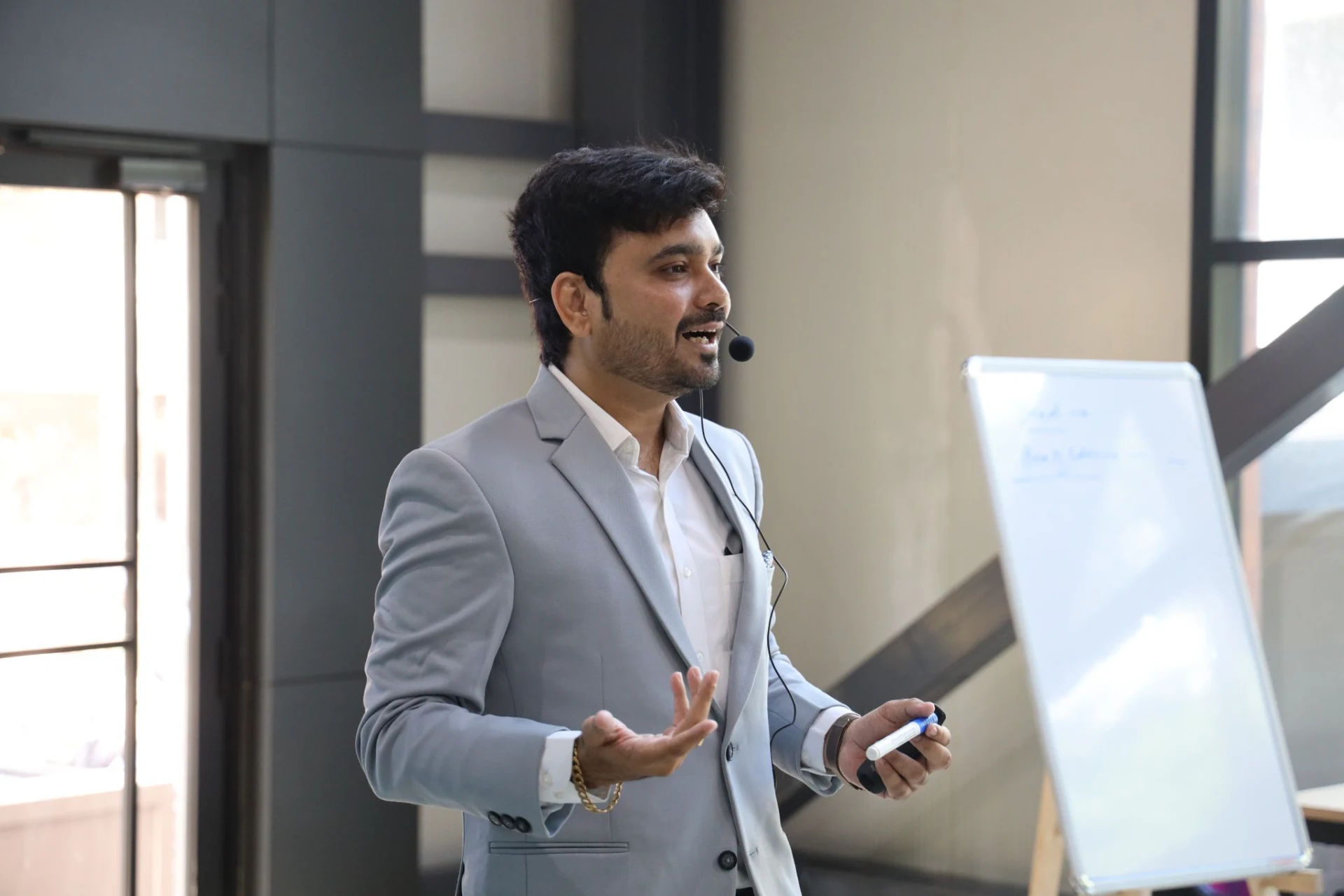
The professional way to say no at work is to give a clear reason and a specific alternative, not silence, avoidance, or guilt. Videocon didn't fall to a competitor — it fell because it said yes to every opportunity and lost focus on its core business. Around 65% of Indian firms now invest in soft-skill training, and learning to say a "positive no" is one of the most valuable skills on that list.
TL;DR- Videocon expanded into power, telecom, real estate and electronics, said yes to everything, and collapsed under debt with no clear focus
- A "positive no" means declining a request while protecting a priority, not simply refusing to help
- Professionals who always say yes often show incomplete work at appraisal time because they never said no to anything
- Saying no to the wrong request is often what makes room to say yes to the right one
- Leaders who accept a well-reasoned no from their team usually get sharper, more focused output in return
Why did Videocon actually collapse despite dominating Indian homes for decades?
Videocon was once the company that brought colour television to Indian homes and dominated the electronics market for decades. It didn't lose to a sharper competitor. It said yes to power, yes to telecom, yes to real estate, yes to nearly every opportunity that looked attractive. Each yes brought more debt and less focus, until the company was spread across so many businesses that it couldn't defend its actual strength, and the whole structure came down under its own weight.
What is a "positive no" and how is it different from simply refusing work?
A positive no isn't a flat refusal — it's a boundary with a reason attached. As Avinash explains it: "जब आप बहुत ज्यादा हां बोलने लगते हो तो आप सबसे जरूरी चीजों के लिए अंदर से ना बोलने लगते हो" — when you keep saying yes to everything, you end up quietly saying no to the things that actually matter. A positive no sounds like "I can take this from Thursday, once my current priority is done" — it protects the important work instead of just deflecting the new one.
| Metric | Habitual Yes | Positive No |
|---|---|---|
| Focus | Spread across too many priorities | Protected on what matters most |
| Workload | Constantly overloaded | Realistic and sustainable |
| Appraisal outcome | Unfinished tasks, no clear answer | Fewer tasks, clearly completed |
| Relationships | Looks agreeable short-term | Builds trust through honesty |
| Long-term result | Videocon-style overreach | Sustainable growth |
Why do so many professionals struggle to say no at work?
Most professionals say yes by default because no feels like it risks the relationship, the appraisal, or their reputation as a team player. It's easier in the moment to agree and worry about the workload later. But that instinct is exactly what Videocon's leadership fell into at a company scale — every individual yes looked reasonable, and the pattern only became a problem when it was too late to reverse.
What happens when you keep saying yes to every request?
Saying yes to everything eventually shows up as unfinished work, not as extra credit. Avinash describes the familiar appraisal moment: a manager asks why a task wasn't completed, and the professional has no good answer, because the real problem was agreeing to take on ten things instead of protecting the two that mattered. The habit of yes doesn't just cost focus — it removes the evidence you'd otherwise have to point to for real results.
How do you say no to your manager without damaging the relationship?
The safest way to say no to a manager is to pair it with a timeline and a reason tied to existing priorities, not an open-ended refusal. Saying "I can't take this on right now because I'm focused on X until Thursday, but I can pick it up after" respects the request while protecting your workload. This kind of boundary-setting is exactly what we build into behavioural training programs for corporate teams — it's a skill, not a personality trait.
How can leaders build a culture where a positive no is respected?
Leaders who punish every no end up training their best people to overcommit and underdeliver, which is worse for the business than an honest no upfront. When a team member says no with a clear reason, that's information about real capacity, not resistance. I've written more about the trust and boundary issues this creates day to day in the colleague trust trap, which covers the same pattern from the relationship side.
What is the real cost of never saying no at work?
The real cost of never saying no isn't visible immediately — it shows up as missed deadlines, diluted focus, and eventually, a Videocon-style collapse where nothing gets the attention it needed. Teams and leaders I work with through leadership training programs in Pune and beyond learn to treat a well-placed no as a growth tool, not a failure — the same lesson that could have kept Videocon alive.
Book Avinash Chate for Your Next Event
TEDx speaker. 11+ yrs training Army, BRO, RBI, BARC, JSW. Available for keynotes, leadership training, team building & manager development at your office or event venue.
✅ Thanks! Avinash team will reach out within 24 hours.'}).catch(function(e){f.outerHTML='Something went wrong. WhatsApp +91 8793630001
'});return false;">Select ServiceKeynote / Motivational SpeakingLeadership Development TrainingTeam Building WorkshopManager DevelopmentEmployee TrainingOutbound TrainingBook Avinash Now →Or WhatsApp directly: +91 87936 30001
Related Articles by Avinash Chate
- Corporate Training Success Story: A 2-Day Program That Changed a Team
- How to Maintain Consistent Performance at Work, Not Just Once
- Corporate Life मध्ये Listening Power का महत्त्वाची? Heineken CEO Casestudy
Work with Avinash Chate
- Best Motivational Speaker in Pune →
- Team Building Trainer in Pune →
- Best Motivational Speaker in Maharashtra →
Avinash Chate TEDx Speaker · Founder, The Future Corporate · 11+ yrs experience Avinash has trained Indian Army, BRO, RBI, BARC, JSW Steel and 1000+ corporate leaders across India. His work focuses on leadership development, communication skills, and behavioural training rooted in Indian values and modern business needs. |
Frequently Asked Questions
How do I say no to my manager without seeming uncooperative?
Pair your no with a reason tied to an existing priority and a timeline, such as "I'm focused on X until Thursday, but I can take this up after." This shows you're managing real commitments, not avoiding work, which is how a no is read as professional rather than uncooperative.
What actually caused Videocon's downfall?
Videocon didn't lose to a stronger competitor. It expanded into power, telecom, real estate and electronics by saying yes to nearly every opportunity, took on heavy debt in the process, and lost focus on the core electronics business that had made it successful, which eventually brought the company down.
What does "positive no" mean?
A positive no means declining a request while giving a clear reason tied to a priority you're already protecting, instead of a flat refusal or an open-ended yes you can't actually deliver on. It's a boundary, not a rejection of the person asking.
Is it bad for my career to say no at work?
No, saying no to the wrong requests is usually what protects your career, because it's what lets you deliver clearly on the priorities that matter. The real career risk is saying yes to everything and having nothing to show clearly finished when it's time for a review.
Avinash Chate services
Corporate Trainer in Maharashtra · Top Corporate Trainers in Maharashtra · Leadership Trainer in Maharashtra · Top Leadership Trainers in Maharashtra · Team Building Trainer in Maharashtra · Top Team Building Trainers in Maharashtra · Motivational Speaker in Maharashtra · Top Motivational Speakers in Maharashtra · All service locations
← Back to all articles · Book Avinash Chate
By Avinash Chate — Maharashtra’s #1 Corporate Trainer & Motivational Speaker. .