How Workplace Politics Affects Employees: The Adidas vs Puma Lesson
When two leaders fight over ego, it's the juniors who pay. The Adidas-Puma founders' feud shows how workplace politics affects employees, and how to avoid it.
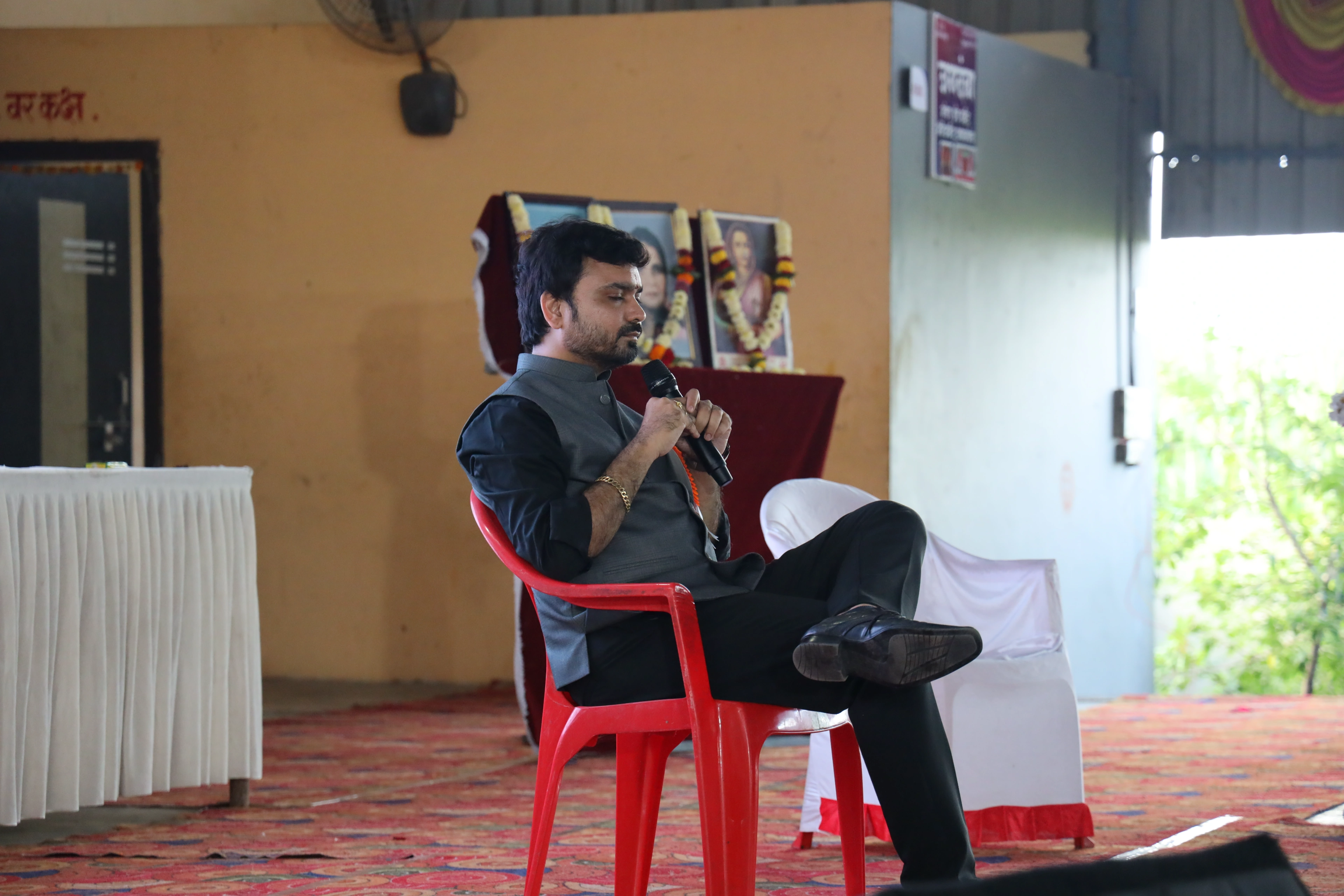
Workplace politics hurts employees by forcing them to pick sides between fighting leaders instead of focusing on their work — morale, trust, and output all drop. It's the same pattern McKinsey sees in dysfunctional teams: Indian managers already spend 21 hours a week in meetings, and infighting burns even more of that time on politics instead of results.
TL;DR- Adidas and Puma were once one company — a 1948 fight between brothers Adi and Rudi Dassler split it, and split their entire town too
- When leaders fight, it's rarely the leaders who suffer most — it's the juniors and interns caught between two camps
- Picking a side over a senior's ego costs the company far more than the disagreement itself
- The fix: contribute to the company's goal, not to any one leader's faction
- The Dassler brothers reconciled their brands in 2009 — 61 years after the feud began, and after the damage was already done
The Adidas vs Puma Story: How One Family Feud Split a Town
Adidas and Puma look like lifelong rivals, but they started as one factory, one brand, run by two brothers — Adi and Rudi Dassler. In 1948, a personal fight between them split the company in two. Adi kept the name Adidas, Rudi built Puma, and the two brothers stopped speaking to each other for the rest of their lives. As I explain in the video this piece is based on, "ये दोनों अंत में एक ही कब्रिस्तान में खत्म हुए" — "the two of them ended up in the same graveyard" — after decades of a rivalry neither of them needed to start.
How Workplace Politics Affects Employees Day to Day
What made the Dassler feud so damaging wasn't the disagreement itself — it was what happened to everyone around it. Their small German town split into two camps: people asked whether you were "with Adi or with Rudi," workers wouldn't marry across the divide, and an entire community organised itself around a fight that had nothing to do with them. That's exactly what happens inside offices when two department heads or two senior managers stop getting along — it stops being their problem and becomes everyone's.
Why Juniors Suffer Most When Seniors Fight
Interns and juniors are almost never the ones causing the conflict, but they absorb most of its cost. They get pulled into picking sides, second-guess which manager to loop in, and lose time and energy on politics that has nothing to do with their actual job. Our guide on leadership mistakes that make teams lazy covers a related pattern: when leaders model the wrong behaviour, teams quietly absorb it as the norm.
The Real Cost of Choosing a Side at Work
Choosing a side feels loyal in the moment, but it rarely pays off. You inherit a manager's enemies along with their allies, you lose the trust of the other camp regardless of the outcome, and if the two leaders eventually patch things up — as Adi and Rudi's companies partially did in 2009 — you're the one left holding a grudge nobody else remembers picking. The smarter move is staying visibly useful to the company's actual goals, not to either faction.
| Warning Sign | What It Looks Like | Healthier Alternative |
|---|---|---|
| Loyalty tests | Juniors expected to "prove" which manager they side with | Judged only on work delivered, not on allegiance |
| Information hoarding | One department withholds updates from another out of spite | Shared goals mean shared information by default |
| Meeting avoidance | People skip meetings based on who else is attending | Meetings run on agenda, not on personalities |
| Grudge inheritance | New joiners are briefed on "who not to trust" before they've even met anyone | Onboarding focuses on the role, not office history |
If two or more of these show up regularly in your team, it's worth addressing directly rather than waiting for it to resolve itself — a structured behavioural training session can help a team reset before it hardens into culture.
How to Stay Out of Office Politics Without Looking Disloyal
The practical answer is simple to say and hard to live by: keep contributing to the team's real targets, and decline to escalate gossip when it reaches you. If asked directly to take a side, redirect the conversation back to the work — "I want to make sure we hit the deadline" is a harder line to argue with than a political stance. Leaders who run a well-structured leadership training program build exactly this kind of conflict-resilience into their teams before it's needed.
What Leaders Should Do Instead of Feeding the Conflict
If you're the senior in the disagreement, the responsibility is heavier, not lighter. Every unresolved argument between two department heads eventually shows up in team output, attrition, or both. The healthiest teams I've trained treat a disagreement as something to resolve quickly and privately, not something to let simmer while juniors take sides by default. Company goals have to outrank ego — every time, not just when it's convenient.
Signs Your Workplace Has a Politics Problem
Watch for a few early signs: people avoiding certain meetings depending on who's in the room, information being withheld between departments, or juniors asking "who does this favour" before agreeing to help a colleague. None of these show up on a performance review, but all of them quietly drain a team's output long before anyone calls it a "politics problem."
Book Avinash Chate for Your Next Event
TEDx speaker. 11+ yrs training Army, BRO, RBI, BARC, JSW. Available for keynotes, leadership training, team building & manager development at your office or event venue.
✅ Thanks! Avinash team will reach out within 24 hours.'}).catch(function(e){f.outerHTML='Something went wrong. WhatsApp +91 8793630001
'});return false;">Select ServiceKeynote / Motivational SpeakingLeadership Development TrainingTeam Building WorkshopManager DevelopmentEmployee TrainingOutbound TrainingBook Avinash Now →Or WhatsApp directly: +91 87936 30001
Related Articles by Avinash Chate
- Lilavati Hospital Scandal: Uncle-Nephew Ego Cost ₹1300 Cr
- Gillette Secret Strategy That Every Business Owner Must Understand
- Trupti – The Firefighter Trainer
Work with Avinash Chate
- Best Motivational Speaker in Pune →
- Signature Corporate Training Programs →
- Best Motivational Speaker in Maharashtra →
Avinash Chate TEDx Speaker · Founder, The Future Corporate · 11+ yrs experience Avinash has trained Indian Army, BRO, RBI, BARC, JSW Steel and 1000+ corporate leaders across India. His work focuses on leadership development, communication skills, and behavioural training rooted in Indian values and modern business needs. |
Frequently Asked Questions
How does workplace politics affect employees?
It splits attention and loyalty that should go toward the actual work. Employees start managing relationships instead of tasks, which quietly lowers morale, trust, and output even when nobody names the problem out loud.
What should I do when two of my managers are in conflict?
Stay focused on shared company goals rather than either manager personally, and avoid escalating gossip when it reaches you. If pressed to pick a side, redirect the conversation back to the work and the deadline.
Why do junior employees suffer most in leadership conflicts?
Juniors rarely start the conflict but have the least power to opt out of it — they get pulled into choosing sides, lose time navigating politics, and absorb stress created entirely by people above them.
How did the Adidas and Puma rivalry actually start?
Adidas and Puma began as one shoe company run by brothers Adi and Rudi Dassler. A personal fight in 1948 split the business in two, and the brothers never reconciled personally, even though their companies later collaborated on select projects in 2009.
Avinash Chate services
Corporate Trainer in Maharashtra · Top Corporate Trainers in Maharashtra · Leadership Trainer in Maharashtra · Top Leadership Trainers in Maharashtra · Team Building Trainer in Maharashtra · Top Team Building Trainers in Maharashtra · Motivational Speaker in Maharashtra · Top Motivational Speakers in Maharashtra · All service locations
← Back to all articles · Book Avinash Chate
By Avinash Chate — Maharashtra’s #1 Corporate Trainer & Motivational Speaker. .