Village Students vs City Students: Why the Gap Isn't Talent
Talented rural students aren't less capable than city kids — they just get less exposure. Vishva School Beed's founder explains the gap, and what closes it.
Village students aren't less intelligent or less hardworking than city students — they simply get less exposure to ideas, people, and possibilities. That's the point Shailesh Sangale, founder of Vishva School Beed, makes from his own journey through rural Maharashtra's schools. It's also why 65% of Indian firms now invest in soft-skill training — closing this exact gap after hiring.
TL;DR- Rural students aren't less capable — they have less exposure to ideas, people, and opportunities
- Shailesh Sangale, founder of Vishva School Beed, studied in Beed's first English-medium school and now works with rural students himself
- The exposure gap quietly shapes confidence, career choices, and long-term growth
- Schools can't fully close this gap alone — what happens after admission or hiring matters just as much
- 65% of Indian firms already invest in soft-skill training, often to bridge this exact gap
What's the Real Difference Between Village and City Students?
The gap between village students and city students is rarely about intelligence or effort — it's about exposure. A city student picks up confidence just by watching adults navigate offices, interviews, and public conversations. A village student may be just as sharp, but never sees those situations up close. That missing exposure to ideas, people, and possibilities is what quietly narrows options later — not a lack of ability. Recognising this difference is the first step to actually closing it, rather than mistaking it for a talent gap.
Why Beed's First English-Medium School Changed One Man's Path
Shailesh Sangale, founder of Vishva School Beed, lived this gap before he set out to close it. He studied in Beed's first English-medium school, one of the only rural students in his batch with that access. That single opportunity changed the trajectory of his career. Today he runs Vishva School in Beed and works directly with rural students, using his own path as proof that access — not aptitude — was always the real variable. His story is less about one lucky break and more about what happens when that break is made available to more students.
Village Students vs City Students: Where the Gap Actually Shows Up
The gap doesn't announce itself in a marksheet. Two students with identical grades can walk very different paths once they leave school — one walks into a job interview having rehearsed the format for years through family and peers, the other is doing it for the first time with no reference point. Confidence in public speaking, comfort around unfamiliar people, and awareness of career options outside the obvious few all get shaped by exposure, not curriculum. That's why the difference between village and city students often shows up years later, in rooms far from any classroom.
| Factor | Typical City Student | Typical Village Student |
|---|---|---|
| Exposure to career options | Sees many professions up close (family, neighbours, media) | Aware of a handful of "safe" careers only |
| English-medium access | Widely available from primary school | Limited — often just one school per district, if any |
| Public speaking practice | Regular, from school events to internships | Rare, first real practice often happens post-graduation |
| Access to mentors/role models | Multiple, across professions | Few, often just teachers or family |
| Discipline and work ethic | Varies | Frequently stronger, built through early responsibility |
| What closes the gap | Not applicable — already present | Structured exposure: mentorship, speaking practice, outside interaction |
What Village Students Have That City Students Often Don't
It's worth saying plainly: village students aren't arriving with less. Many bring stronger discipline, deeper community ties, and a work ethic built on real responsibility from a young age. What they're often short on isn't character — it's a wide-enough sample of what's possible, and people around them who've already done the things they're considering. Give a village student the same exposure a city student takes for granted, and the so-called gap tends to close faster than most people expect.
Can Companies Fix an Exposure Gap Schools Couldn't?
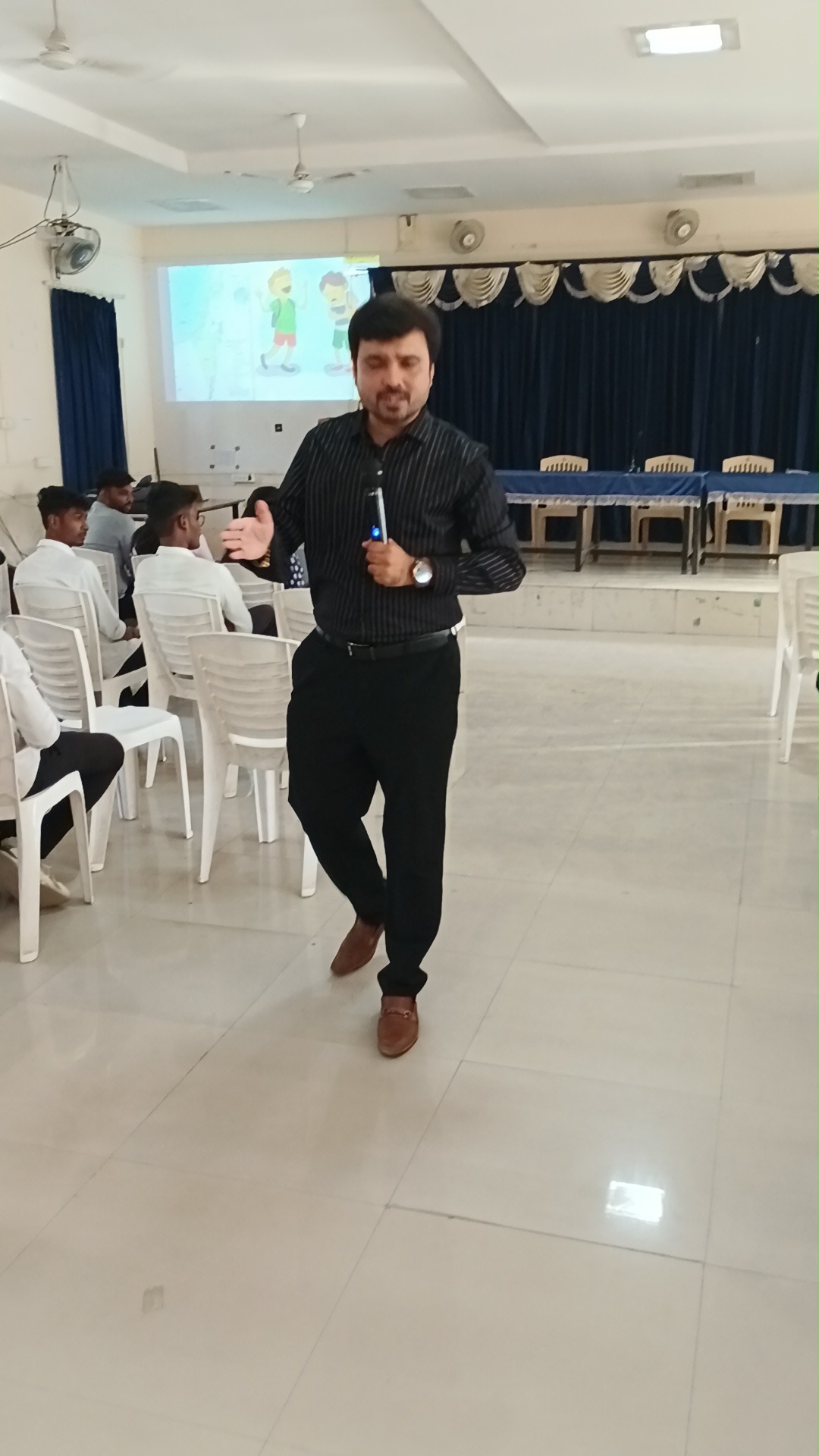
Schools can only do so much once a student graduates and enters the workforce. This is exactly where organisations step in — and where I've built a chunk of my own corporate work. Confidence, communication and public speaking don't arrive automatically with a degree; they're built the same way Sangale built his, through repeated exposure. It's why I run sessions as a Marathi motivational speaker for colleges and first-generation professionals across Maharashtra — the goal is to compress years of missing exposure into a few structured, high-impact sessions.
What Parents and Teachers in Rural Maharashtra Can Do Differently
Parents and teachers in rural Maharashtra don't need to wait for infrastructure to catch up. Small, deliberate choices move the needle: inviting outside speakers into schools, encouraging students to ask questions in English even when it's uncomfortable, and exposing them to career paths beyond the two or three everyone already knows. Structured mentorship and exposure programs, like the signature training programs I run for schools and colleges, exist precisely to give students a wider frame of reference before they have to choose a path.
Why This Conversation Matters Beyond the Classroom
Sangale's story matters because it isn't rare — it's a pattern playing out in districts across India, just usually without anyone naming it. The village-versus-city framing isn't about blame; it's about identifying the one lever — exposure — that actually moves outcomes. Fix that, and talent that was always there stops going unnoticed.
Book Avinash Chate for Your Next Event
TEDx speaker. 11+ yrs training Army, BRO, RBI, BARC, JSW. Available for keynotes, leadership training, team building & manager development at your office or event venue.
✅ Thanks! Avinash team will reach out within 24 hours.'}).catch(function(e){f.outerHTML='Something went wrong. WhatsApp +91 8793630001
'});return false;">Select ServiceKeynote / Motivational SpeakingLeadership Development TrainingTeam Building WorkshopManager DevelopmentEmployee TrainingOutbound TrainingBook Avinash Now →Or WhatsApp directly: +91 87936 30001
Related Articles by Avinash Chate
- जुनी Marketing सोडा नाहीतर नुकसान होईल | Real Testimonial
- How to Develop Future Leaders in Your Team
- Why Nashik's Defense Manufacturing Companies Need Specialized Motivational Speakers — HAL Ozar and India's National Security Workforce
Work with Avinash Chate
- Best Motivational Speaker in Maharashtra →
- Signature Corporate Training Programs →
- Best Motivational Speaker in Pune →
Avinash Chate TEDx Speaker · Founder, The Future Corporate · 11+ yrs experience Avinash has trained Indian Army, BRO, RBI, BARC, JSW Steel and 1000+ corporate leaders across India. His work focuses on leadership development, communication skills, and behavioural training rooted in Indian values and modern business needs. |
Frequently Asked Questions
Are village students really less capable than city students?
No. Studies and educators working directly in rural India consistently point to exposure, not intelligence or effort, as the real gap. Village students are often just as capable but have had far fewer chances to interact with diverse people, ideas, and career paths.
What is the biggest difference between village students and city students?
The biggest difference isn't academic ability — it's exposure. City students absorb confidence, communication habits, and awareness of career options simply by being around a wider range of people and situations. Village students typically get fewer of those chances, not because of lower potential but because of where they grow up.
Who is Shailesh Sangale of Vishva School Beed?
Shailesh Sangale is the founder of Vishva School in Beed, Maharashtra. He studied in Beed's first English-medium school as a rural student himself, and now runs a school focused on giving rural students the same kind of exposure and opportunity that changed his own path.
How can rural students close the exposure gap with city students?
The gap closes through deliberate exposure: public speaking practice, interaction with mentors and professionals outside the immediate community, structured training programs, and exposure to a wider range of career options. Schools, families, and organisations running training programs all have a role in making this happen faster.
Avinash Chate services
Corporate Trainer in Beed · Top Corporate Trainers in Maharashtra · Leadership Trainer in Beed · Top Leadership Trainers in Maharashtra · Team Building Trainer in Beed · Top Team Building Trainers in Maharashtra · Motivational Speaker in Beed · Top Motivational Speakers in Maharashtra · All service locations
← Back to all articles · Book Avinash Chate
By Avinash Chate — Maharashtra’s #1 Corporate Trainer & Motivational Speaker. .