Why Gratitude in Leadership Matters More Than Talent
Why do we forget the people who stood by us in hard times? Here's why gratitude in leadership matters more than talent, and how it builds lasting trust in teams.
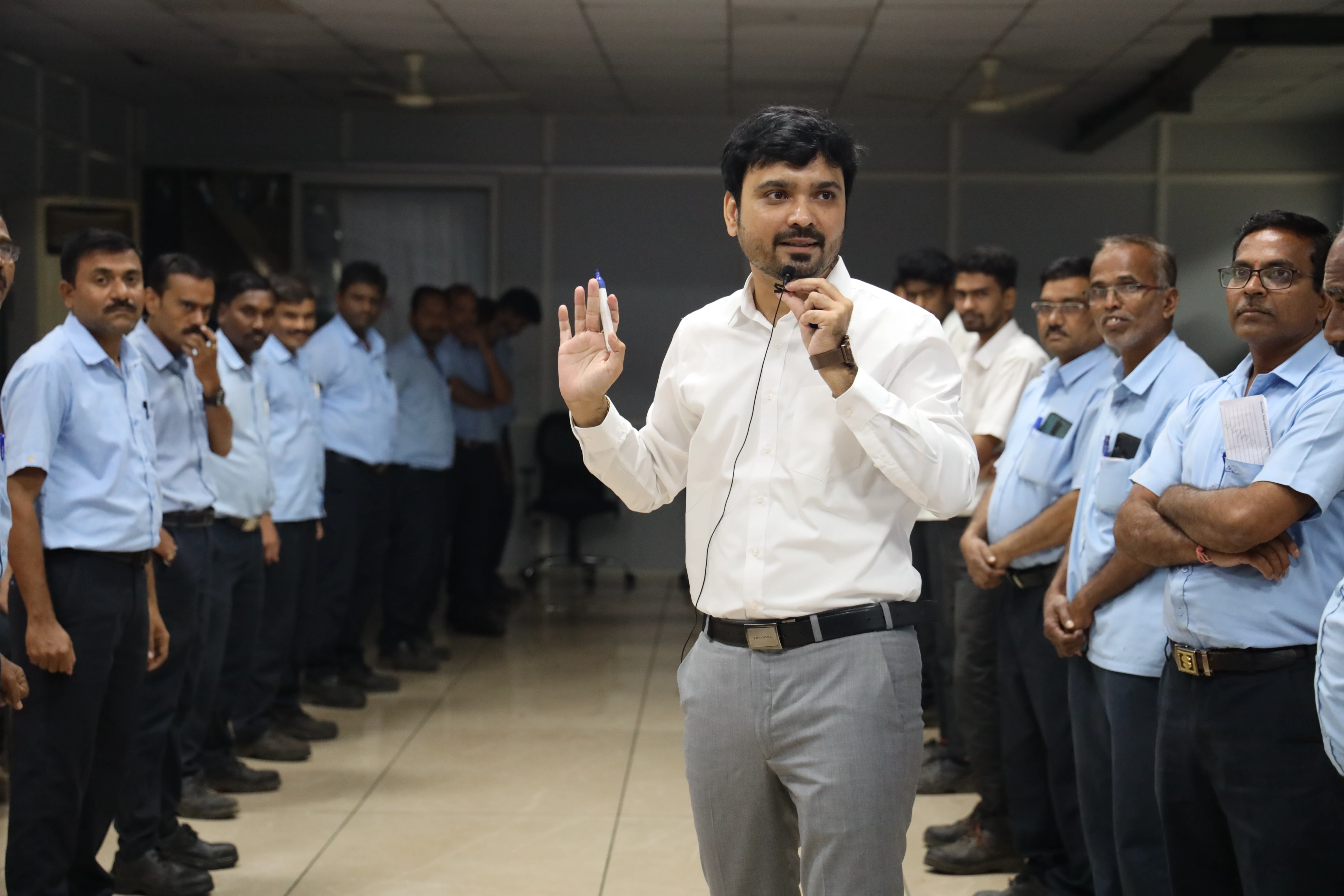
We remember pain longer than we remember kindness. That's why so many of us forget the people who quietly stood by us before success arrived. In my corporate training sessions, I see this pattern in leaders constantly: the moment things go right, the people who made it possible fade from memory. Gratitude in leadership changes that.
TL;DR- Our minds are wired to remember pain more vividly than kindness, which is why silent supporters get forgotten as success grows.
- Gratitude in leadership isn't sentimentality — it directly builds team trust, loyalty and retention.
- Forgetting the people who helped you erodes your character and, eventually, your influence as a leader.
- Staying grounded after success takes deliberate habits: naming names, checking in, and crediting publicly.
- 65% of Indian firms now invest in soft-skill training precisely because gratitude and grounded leadership drive real business outcomes.
Why Do We Forget the People Who Helped Us?
Psychologists call it negativity bias — our brains are wired to hold onto pain, betrayal and failure far longer than kindness. It's a survival mechanism: threats needed remembering, comfort didn't. That's why you can recall the exact words of someone who wronged you years ago, yet struggle to name the colleague who covered for you during your worst quarter. In my sessions with corporate teams, I ask people to name who helped them most in a tough year. Most hesitate. That hesitation is the problem.
What Does Gratitude in Leadership Actually Look Like?
Gratitude in leadership isn't a thank-you email once a year. It's naming the people who backed you when you had nothing to offer them, in front of others. It's a founder crediting the ops manager who kept the company alive during a cash crunch, or a GM publicly thanking the junior engineer who caught a defect nobody else saw. In the leadership programs I run, this is often the single exercise that shifts a room the most — because most leaders have never actually said it out loud.
| Gratitude Habit | What It Looks Like | Impact on Team Trust |
|---|---|---|
| Name your five | List the five people who helped you most before success, revisit quarterly | Keeps gratitude specific, not generic |
| Credit in public | Acknowledge the person by name in meetings, not just privately | Signals loyalty is remembered, not just felt |
| Check in without an ask | Reach out to past supporters when you don't need anything from them | Builds trust that outlasts the transaction |
| Ask "who helped me" first | Before planning what's next, name who got you here | Keeps ambition grounded in relationships |
| Make it a team ritual | Build recognition into reviews and town halls, not just personal habit | Turns individual gratitude into culture |
How Forgetting Your Supporters Hurts Your Team
When leaders forget who helped them, the cost isn't emotional — it's structural. Teams stop volunteering discretionary effort once they sense their loyalty isn't remembered. Good people quietly disengage, then quietly leave. It's one reason 65% of Indian firms now invest in soft-skill training: technical skill gets people promoted, but forgotten gratitude is what makes their best people walk out the door within eighteen months.
How to Stay Grounded After Success
Staying grounded after success is a discipline, not a personality trait. Keep a short list of the five people who mattered most before you succeeded, and revisit it every quarter. Call the mentor who took a chance on you. Credit the team publicly, not just in private reviews. Ask "who helped me get here" before you ask "what's next" — the order matters more than most leaders realize.
Why Gratitude Builds Loyalty in the Workplace
Loyalty in the workplace is built the same way trust is built anywhere: by remembering, not forgetting. Employees notice whether a leader's gratitude survives their promotion. In the leadership training sessions I run in Pune, I've watched teams open up the moment a leader admits, unprompted, who helped them succeed. That single act does more for retention than most engagement surveys ever will.
How Leaders Can Build a Culture of Recognition
Building a culture of recognition starts at the top and has to be deliberate — it rarely happens by accident. I've worked with teams across companies like Bajaj Auto, L&T and Tata Tech where the leaders who retained talent longest were the ones who made gratitude a visible habit, not a private feeling. Forgetting the people who sacrificed for you isn't just an emotional lapse. It's a leadership failure you can choose, every single day, not to repeat.
Book Avinash Chate for Your Next Event
TEDx speaker. 11+ yrs training Army, BRO, RBI, BARC, JSW. Available for keynotes, leadership training, team building & manager development at your office or event venue.
✅ Thanks! Avinash team will reach out within 24 hours.'}).catch(function(e){f.outerHTML='Something went wrong. WhatsApp +91 8793630001
'});return false;">Select ServiceKeynote / Motivational SpeakingLeadership Development TrainingTeam Building WorkshopManager DevelopmentEmployee TrainingOutbound TrainingBook Avinash Now →Or WhatsApp directly: +91 87936 30001
Related Articles by Avinash Chate
- Is Sanchar Saathi app scam? : dictate and retreat concept
- Hardik Pandya – 2017 Champions Trophy & composure
- Virat Kohli's 82 Not Out Against Pakistan in the 2022 T20 World Cup: Resilience Built Through Consistent Practice
Work with Avinash Chate
- Signature Corporate Training Programs →
- Team Building Trainer in Pune →
- Best Motivational Speaker in Mumbai →
Avinash Chate TEDx Speaker · Founder, The Future Corporate · 11+ yrs experience Avinash has trained Indian Army, BRO, RBI, BARC, JSW Steel and 1000+ corporate leaders across India. His work focuses on leadership development, communication skills, and behavioural training rooted in Indian values and modern business needs. |
Frequently Asked Questions
Why do we forget the people who helped us during hard times?
Our brains are wired with a negativity bias — pain, betrayal and failure get stored more vividly than kindness because they once signaled survival threats. Quiet support doesn't trigger that same alarm, so it fades from memory faster, especially once life gets easier and the pressure that made us notice help in the first place is gone.
How does gratitude improve leadership effectiveness?
Gratitude in leadership builds psychological safety and loyalty. When team members see a leader remember and credit the people who helped them, they trust that their own contributions won't be forgotten either. That trust translates directly into discretionary effort, lower attrition and teams that stay engaged even when the work gets hard.
What are simple ways leaders can stay grounded after success?
Keep a short list of the people who mattered most before you succeeded and revisit it every quarter. Call your early mentors. Credit your team in public settings, not only in private reviews. And make it a habit to ask who helped you get here before you ask what comes next.
How does gratitude in leadership affect employee retention?
Employees who see gratitude modeled from the top are more likely to stay, because they believe their own effort will eventually be recognized too. Leaders who forget their supporters tend to lose their best people quietly — talented employees disengage first and leave later, often without ever raising it as a formal complaint.
Avinash Chate services
Corporate Trainer in Maharashtra · Top Corporate Trainers in Maharashtra · Leadership Trainer in Maharashtra · Top Leadership Trainers in Maharashtra · Team Building Trainer in Maharashtra · Top Team Building Trainers in Maharashtra · Motivational Speaker in Maharashtra · Top Motivational Speakers in Maharashtra · All service locations
← Back to all articles · Book Avinash Chate
By Avinash Chate — Maharashtra’s #1 Corporate Trainer & Motivational Speaker. .