MBTI 16 Types at Work: A Type-by-Type Field Guide
Avinash Chate walks through all 16 MBTI personality types with a real workplace example for each - from the ISTJ analyst to the ENTJ turnaround leader - and shows how to use them to strengthen your RQ.
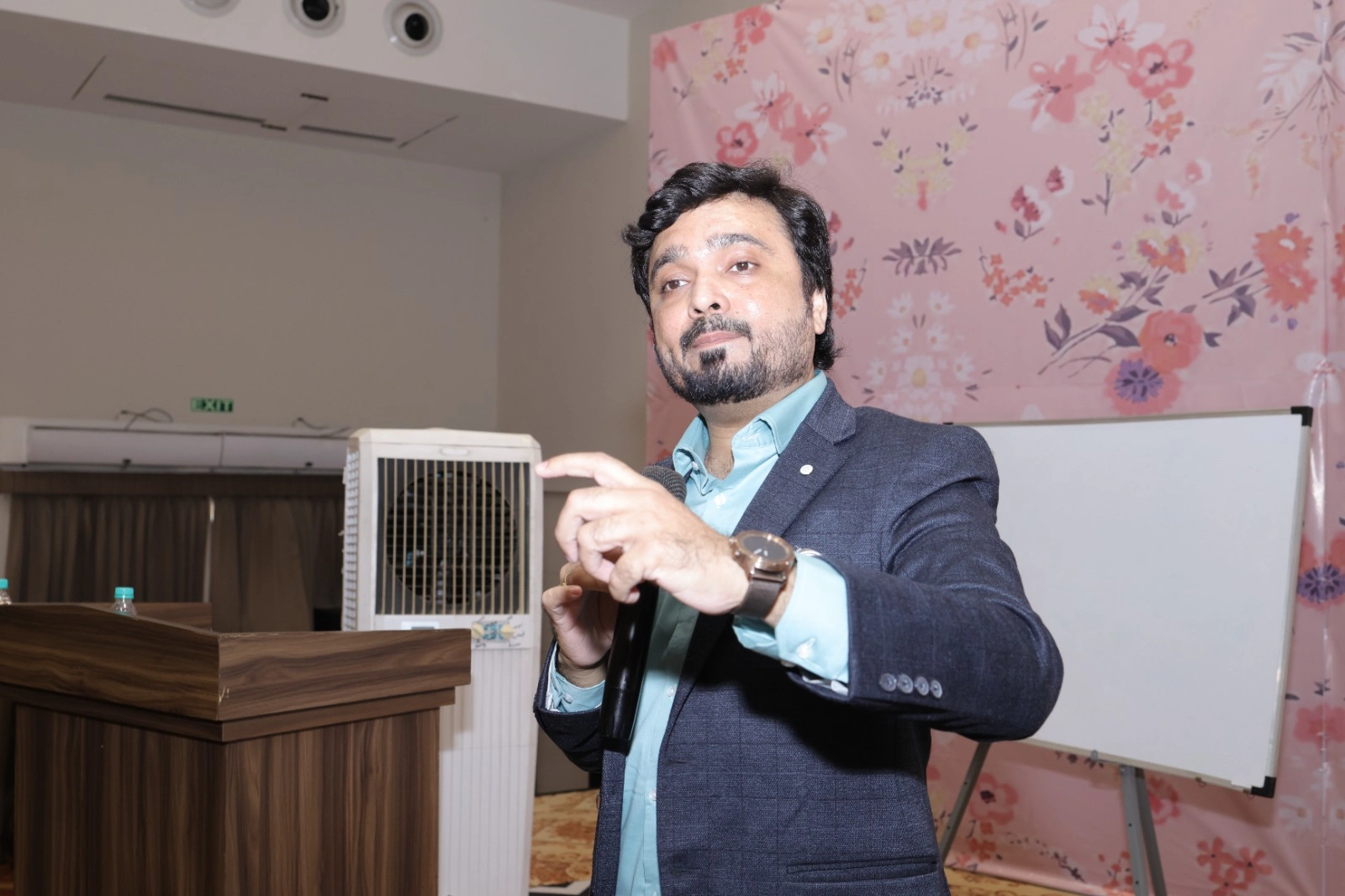
In every team I have trained - from the Indian Army to RBI to JSW Steel - I have watched the same scene repeat: a manager gets frustrated with an employee who "just doesn't get it," when really, the two of them are simply wired differently. The Myers-Briggs Type Indicator (MBTI) gave me a language for that difference. Here is what all 16 types actually look like on the shop floor, in the sales pitch, and in the Monday morning review.
In short- MBTI maps people on four dichotomies - Extraversion/Introversion, Sensing/Intuition, Thinking/Feeling, Judging/Perceiving - which combine into 16 distinct types.
- Each of the 16 types has a natural home in the workplace: an ISTJ analyst, an ENFP motivational speaker, an ISTP mechanic, an ESTJ project manager, and twelve more.
- Knowing someone's type tells you how to brief them, how to give them feedback, and how to resolve conflict with them - without changing who they are.
- This is an RQ (Relationship Intelligence) tool, not a hiring filter or a personality cage - use it to adapt, not to label.
- MBTI is one of several tools on the RQ side of your Winning Kite, alongside meta-programs, love languages and the Social Styles Model.
Where this sits on your Winning Kite
Understanding personality types is Tool #4 on the RQ - Relationship Intelligence - side of The Winning Kite (KITE Leadership Framework). RQ is the right side of your kite: it is the quality of your working relationships, and no relationship gets stronger by accident. You build it by first understanding how the other person is built.
Why MBTI matters for your RQ
The Myers-Briggs Type Indicator is a useful tool for improving your relationship quotient because it shows how different people take in and process information, make decisions, and interact with others. It is built on four opposite pairs, or dichotomies:
- Extraversion (E) vs. Introversion (I) - where you get your energy from
- Sensing (S) vs. Intuition (N) - how you take in information
- Thinking (T) vs. Feeling (F) - how you make decisions
- Judging (J) vs. Perceiving (P) - how you organize your life and work
When you know someone's preference, you adapt without them having to ask. Working with a Sensor, you give concrete details and examples. Working with an Intuitive, you paint the big picture and future possibilities first. With a Feeler, you lead with how a decision affects people. With a Thinker, you lead with logic and objective criteria. A Judger wants a plan; a Perceiver wants room to breathe. None of this is difficult once you know what to look for - the problem is that most managers never learn to look.
The four building blocks, in workplace terms
Before the 16 combinations, it helps to see each preference on its own, because you will meet these patterns daily, even among people who have never heard the word MBTI.
Extroverts and Introverts
Extroverts are energized by social interaction and thrive in group settings. They tend to be outgoing, assertive and talkative, and they may struggle with too much alone time. An extroverted salesperson is often great at networking events, enjoys meeting new people to pitch products, and loves leading team meetings and brainstorming sessions.
Introverts, on the other hand, are energized by time alone and can find social interaction draining. They tend to be reserved, reflective and prefer quieter, more intimate settings, often enjoying deep conversations over small talk. An introverted writer may excel working from home or in a quiet setting where they can focus without distraction, and may prefer email or written correspondence over phone or video calls.
Sensors and Intuitives
Sensors are detail-oriented and focus on the present moment. They are practical and value tangible, observable facts, and may struggle with abstract or theoretical concepts. A Sensor working in logistics may excel at organizing and managing inventory, ensuring everything is accounted for and in the right place at the right time - but may struggle with abstract marketing strategies that lack clear, practical application.
Intuitives are big-picture thinkers who enjoy exploring abstract and theoretical concepts. They are imaginative and enjoy brainstorming new ideas even without a clear plan of action, and may struggle with mundane or repetitive tasks. An Intuitive working in product development may come up with innovative ideas that others haven't considered, but may struggle with the day-to-day grind of managing budgets.
Thinkers and Feelers
Thinkers are analytical and value logical reasoning. They tend to be objective, rational, and make decisions based on facts rather than emotions - and may struggle with empathy or understanding emotional reactions in others. A Thinker working in finance may excel at analyzing data and making strategic investments, but may struggle with team morale or interpersonal conflict.
Feelers are empathetic and value harmony in relationships. They are sensitive to the emotional needs of others and value personal connection - and may struggle with making tough, unpopular decisions. A Feeler working in HR may excel at managing employee relations and building a positive work environment, but may struggle with disciplinary action or layoffs.
Judgers and Perceivers
Judgers value structure and order and tend to be organized and planful. They may struggle with flexibility or sudden change and prefer sticking to a clear plan. A Judger in project management may excel at creating detailed project plans and timelines, keeping everyone on the same page - but may struggle with last-minute changes or unexpected challenges.
Perceivers value flexibility and spontaneity and tend to be adaptable and open-minded. They may struggle with organization or sticking to a schedule, and enjoy exploring new opportunities. A Perceiver in marketing may excel at creative campaigns and trying new strategies - but may struggle with detailed budgets or rigid timelines.
The 16 types, one by one, with a real workplace seat for each
These four dichotomies combine in 16 different ways to form 16 distinct personality types, each with its own strengths and blind spots. Understanding all 16 helps leaders and coworkers use diversity to make the workplace more productive and more peaceful. Here is a working example for every single type.
The Introverts (I)
ISTJ (Introverted, Sensing, Thinking, Judging) - logical, responsible, detail-oriented. Thrives in structured environments, working alone or in small groups. Picture the financial analyst who meticulously combs through data and produces flawless, detailed reports every quarter without being chased.
ISFJ (Introverted, Sensing, Feeling, Judging) - warm, practical, supportive, and detail-oriented, with a genuine love of helping others. This is the customer service representative who remembers a client's last three complaints and gives every one of them personalized, patient support.
INFJ (Introverted, Intuitive, Feeling, Judging) - empathetic, insightful, creative, with a strong intuition for seeing the big picture in people. Think of the workplace counsellor or coach who quietly helps colleagues work through emotional struggles that nobody else even noticed.
INTJ (Introverted, Intuitive, Thinking, Judging) - analytical, strategic, independent, with a rare ability to plan and execute complex projects end to end. This is the software engineer who designs and single-handedly architects a complex system that the rest of the team only sees once it works.
ISTP (Introverted, Sensing, Thinking, Perceiving) - practical, logical, adaptable, and happiest doing hands-on problem-solving. The mechanic who troubleshoots and repairs a mechanical system on the spot, with minimal fuss and no drama, is a textbook ISTP.
ISFP (Introverted, Sensing, Feeling, Perceiving) - artistic, sensitive, empathetic, with a genuine appreciation for beauty in their surroundings. A graphic designer creating visually appealing work, or an ISFP in the non-profit sector designing social media graphics for a cause close to their heart, both fit this pattern - they thrive working independently on tasks aligned to their personal values.
INFP (Introverted, Intuitive, Feeling, Perceiving) - idealistic, creative, empathetic, driven by personal values and a hunger for growth. The writer crafting a meaningful story or the therapist who understands and relates to clients on a deep level - both are classic INFPs, doing work that has to matter to them personally, not just professionally.
INTP (Introverted, Intuitive, Thinking, Perceiving) - analytical, logical, independent, and drawn to complex theories and ideas. The researcher who conducts experiments to understand how something in the world actually works, purely because the question fascinates them, is an INTP at their best.
The Extroverts (E)
ESTP (Extraverted, Sensing, Thinking, Perceiving) - energetic, practical, adaptable, and a natural risk-taker who is excellent at troubleshooting under pressure. The emergency medical technician who responds instantly and decisively to a critical situation is the purest ESTP example - calm, fast, and unfazed.
ESFP (Extraverted, Sensing, Feeling, Perceiving) - outgoing, spontaneous, socially magnetic, with a real appreciation for aesthetics and often a talent for the arts. The salesperson who builds genuine relationships with clients and uses natural charm to close deals is an ESFP doing exactly what energizes them.
ENFP (Extraverted, Intuitive, Feeling, Perceiving) - enthusiastic, creative, optimistic, and often a natural leader who inspires others just by being in the room. The motivational speaker who lifts an entire audience with pure positivity and energy is the archetypal ENFP.
ENTP (Extraverted, Intuitive, Thinking, Perceiving) - witty, innovative, independent, and skilled at problem-solving through relentless exploration of new ideas. The entrepreneur who starts and runs a successful business from a single spark of an idea is a classic ENTP.
ESTJ (Extraverted, Sensing, Thinking, Judging) - known for organization and efficiency, ESTJs enjoy clear guidelines and are able to build structure and order out of chaotic environments. An ESTJ often excels in a leadership position where they can set clear goals and expectations - the project manager who creates a detailed project plan and delegates tasks to team members based on their individual strengths and abilities is a working ESTJ example.
ESFJ (Extraverted, Sensing, Feeling, Judging) - warm, organized, and deeply loyal to the team and the traditions that hold it together. Picture the office manager or HR coordinator who remembers every team member's birthday, organizes the festival celebration, and makes sure nobody feels left out - while also quietly keeping the office calendar and compliance paperwork airtight.
ENFJ (Extraverted, Intuitive, Feeling, Judging) - skilled communicators who inspire and motivate others, often excelling in roles that bring people together toward a common goal, such as HR or customer service. An ENFJ in HR is frequently the one skilled at mediating conflicts and finding solutions that satisfy everyone at the table.
ENTJ (Extraverted, Intuitive, Thinking, Judging) - decisive, strategic, and natural-born organizational leaders who take charge of ambiguous situations and drive them to a result. Think of the general manager who walks into a stalled turnaround project, sets a bold new direction within a week, and rallies the whole department behind the plan.
How I use this with leadership teams
In this chapter of my book and in my Signature Programs, I don't hand out MBTI as a label to sort people into boxes. I use it as a mirror and a bridge. The mirror: it helps a Thinker see why their blunt feedback landed badly with a Feeler on the team. The bridge: it gives a Judger and a Perceiver, who will otherwise clash every single sprint over "the plan," a shared vocabulary to say "I need structure" and "I need room to adapt" without either side feeling attacked.
Daniel Goleman's work on emotional intelligence made a similar point decades ago - that self-awareness and social awareness are trainable skills, not fixed traits. MBTI is one practical entry point into that social awareness: once you can name how a colleague processes the world, you stop taking their differences personally and start using them productively.
Putting it to work this week
Pick three people you work with most closely - your manager, a peer, a direct report. Watch them for one week through the four dichotomies above: do they recharge alone or in company? Do they ask for details or the big picture first? Do they open a disagreement with logic or with how it affects people? Do they want the plan locked or the door left open? You will not need a formal test to see the pattern. Adjust how you brief them, how you disagree with them, and how you praise them - and watch your RQ with that person visibly improve within a month.
If you want the full toolkit - MBTI alongside meta-programs, workplace love languages and the Social Styles Model - read the hub piece: MBTI at Work: Using 16 Personality Types to Connect Better. And if you are building a training calendar around this for your own team, explore our corporate training topics or the Signature Programs built around the Winning Kite.
Bring These Ideas to Your Team
Avinash Chate turns the traits in Stars at India Inc. into live leadership & emotional-intelligence workshops. TEDx speaker · 11+ yrs training Army, BRO, RBI, BARC, JSW & 1000+ leaders.
✅ Thanks! Avinash team will reach out within 24 hours.'}).catch(function(e){f.outerHTML='Something went wrong. WhatsApp +91 8793630001
'});return false;">Select ServiceKeynote / Motivational SpeakingLeadership Development TrainingTeam Building WorkshopManager DevelopmentEmployee TrainingBook Avinash Now →Or WhatsApp directly: +91 87936 30001
Work with Avinash Chate
- Signature Corporate Training Programs →
- The Winning Kite (KITE Leadership Framework) →
- All Corporate Training Topics →
Avinash Chate TEDx Speaker · Founder, The Future Corporate · Author of Stars at India Inc. Avinash has trained the Indian Army, BRO, RBI, BARC, JSW Steel and 1000+ corporate leaders across India. His work focuses on leadership, emotional intelligence and behavioural training rooted in Indian values and modern business needs. |
Frequently Asked Questions
What are the 16 MBTI personality types used for at work?
The 16 MBTI types describe how people take in information, make decisions and organize their lives, based on four dichotomies: Extraversion/Introversion, Sensing/Intuition, Thinking/Feeling and Judging/Perceiving. At work, knowing a colleague's type helps you adapt how you brief them, give feedback, assign tasks and resolve conflict, which directly strengthens your Relationship Intelligence (RQ).
Can you give a workplace example for each of the 16 MBTI types?
Yes. For instance, an ISTJ often thrives as a meticulous financial analyst, an ENFP as an inspiring motivational speaker, an ISTP as a hands-on mechanic solving problems on the spot, and an ESTJ as a project manager who builds detailed plans and delegates by strength. Each of the 16 types has a natural home in certain roles, and each brings a blind spot leaders need to plan around.
Is MBTI scientifically proven?
MBTI is best used as a common language and a starting conversation, not a scientific diagnosis or a hiring filter. I use it in my Signature Programs as a practical RQ tool - it gives teams fast, shared vocabulary for real differences in how people process information and make decisions, which is where its workplace value lies.
How does MBTI connect to the Winning Kite framework?
MBTI sits on the RQ - Relationship Intelligence - side of the Winning Kite, one of the four sides alongside EQ, PQ and Success. Understanding personality types is one of the practical tools I teach under RQ, because you cannot build strong working relationships with people you don't first understand.
Related Articles by Avinash Chate
- The Pyramid of Shared Growth: Why You Rise Only When Your Team and Customers Rise
- Anil Kumble Broken Jaw 2002: What True Courage Looks Like at Work
- The Master System: The 5 Levers of Human Behaviour
Avinash Chate services
Corporate Training · Leadership Development · Team Building · Motivational Speaking · All service locations
← Back to all articles · Book Avinash Chate
By Avinash Chate — Maharashtra’s #1 Corporate Trainer & Motivational Speaker. .