The Power of Mindfulness in Enhancing Workplace Productivity
Mindfulness is not just a wellness trend. It is a practical workplace skill that improves focus, emotional balance, communication, and team performance. In this article, I share how mindful habits can help professionals stay productive, calm, and effective in demanding work environments.
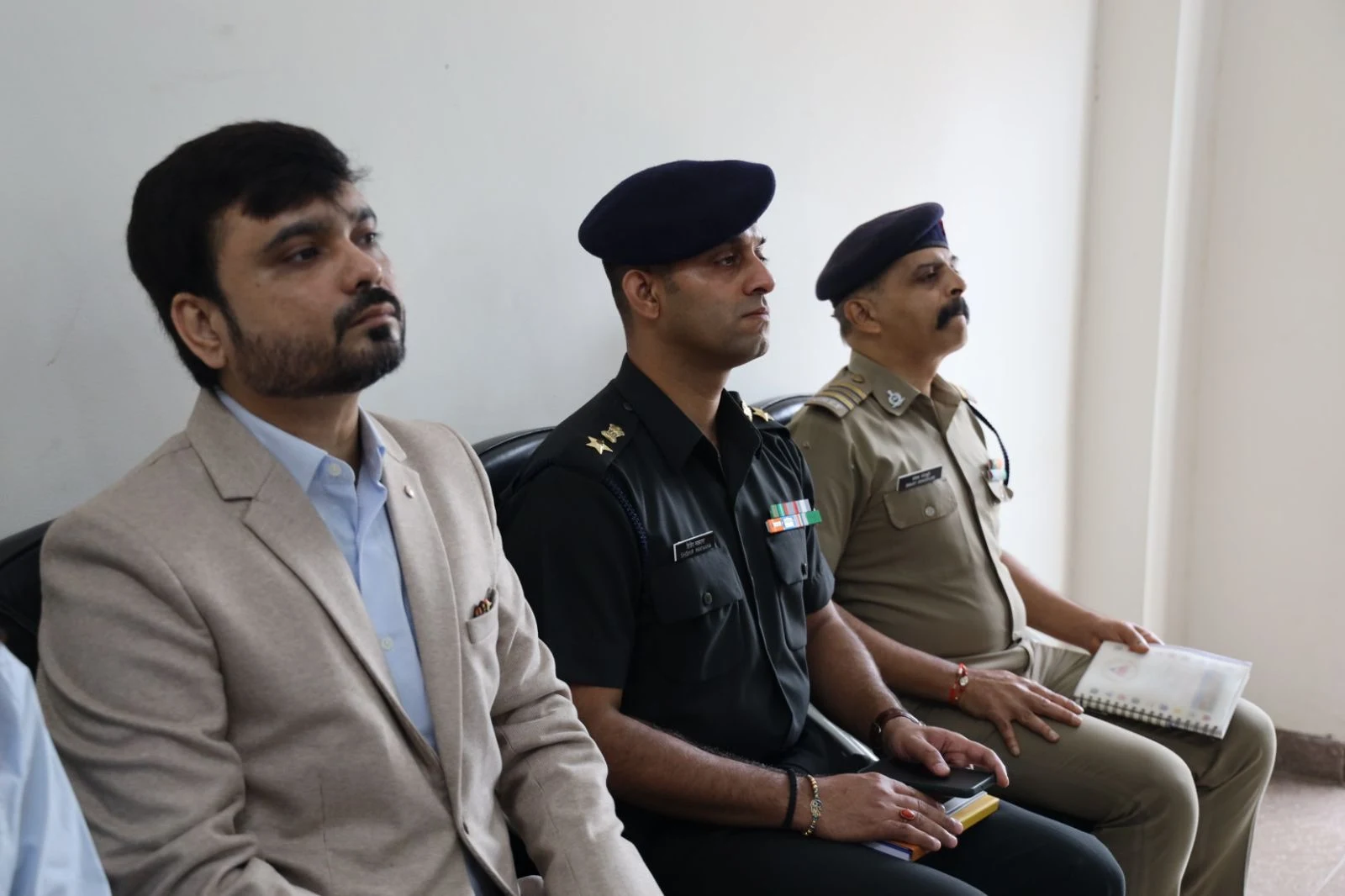
Avinash Chate - TEDx Speaker delivering keynote at corporate event
The Power of Mindfulness in Enhancing Workplace ProductivityIn today’s demanding work culture, productivity is often misunderstood as doing more in less time. I believe true productivity is different. It is about working with clarity, emotional balance, purpose, and consistency. That is where mindfulness becomes a powerful workplace skill.
Key takeaway: Mindfulness helps professionals improve focus, reduce stress, communicate better, and make wiser decisions under pressure.
As a corporate trainer, TEDx speaker, and author of The Winning Edge, I have seen one truth repeatedly across teams and leaders: when the mind is scattered, performance suffers. When the mind is steady, productivity improves naturally. Avinash Chate has worked with 80+ organizations, and this pattern is visible across industries, roles, and team structures.
Many people assume mindfulness belongs only to meditation rooms or personal wellness routines. I see it differently. In the workplace, mindfulness is the ability to stay present, respond thoughtfully, and remain aware of one’s emotions, words, and actions. It is not about slowing down work. It is about eliminating internal chaos so that work becomes sharper and more meaningful.
What Mindfulness Really Means at Work
Mindfulness at work means paying complete attention to the task, person, or decision in front of you. It means not allowing distractions, emotional reactions, and mental noise to control your day. In practical terms, a mindful employee listens fully in meetings, prioritizes clearly, manages stress better, and avoids impulsive communication.
I often tell professionals that mindfulness is not escape from responsibility. It is deeper engagement with responsibility. A mindful manager notices team morale before conflict grows. A mindful salesperson listens to customer needs instead of rushing into a pitch. A mindful leader pauses before reacting and therefore protects trust.
This is why mindfulness is strongly connected to soft skills. It improves self-awareness, empathy, patience, listening, confidence, and emotional discipline. These are not optional qualities anymore. They are central to workplace productivity.
When attention improves, decisions improve. When decisions improve, productivity follows.
In my training sessions, I have seen that people do not usually fail because they lack effort. They struggle because they are mentally overloaded, emotionally reactive, or constantly distracted. Mindfulness helps them regain control over their inner state, and that changes their outer performance.
How Mindfulness Improves Productivity in Everyday Work
Let us make this practical. Productivity is not just about output. It is also about quality, consistency, speed of recovery, and the ability to work well with others. Mindfulness supports all of these areas.
1. It sharpens focus
One of the biggest productivity drains at work is divided attention. People switch from one thought to another, one concern to another, and one conversation to another without mental closure. Mindfulness trains the mind to return to the present task. This improves concentration and reduces avoidable mistakes.
2. It reduces stress-driven inefficiency
Stress is not only an emotional problem. It is a performance problem. When stress rises, people rush, forget, react, and miscommunicate. Mindfulness creates a pause between pressure and response. That pause is often the difference between confusion and clarity.
3. It improves communication
Mindful communication means listening without interrupting, speaking with intention, and being aware of tone. Teams become more productive when misunderstandings reduce. This is especially important in collaborative environments where delays often happen because people assume instead of understand.
4. It builds emotional resilience
Every workplace has targets, deadlines, disagreements, and uncertainty. Mindfulness does not remove these realities, but it helps people handle them with steadiness. Resilient professionals recover faster from setbacks and stay committed to performance.
5. It supports better decision-making
Reactive decisions often create more work later. Mindfulness encourages observation before action. When professionals think clearly instead of reacting instantly, they make decisions that save time, reduce friction, and improve outcomes.
This is one reason I connect mindfulness with the KITE Leadership Framework. Effective leadership requires awareness of self, others, and context. A leader who is present and grounded creates confidence in the team. A distracted leader creates uncertainty. Avinash Chate has consistently emphasized that leadership begins from inner discipline before it becomes outer influence.
Mindfulness and Team Performance
Workplace productivity is rarely an individual issue alone. It is also a team issue. A brilliant employee in a distracted, emotionally tense team will still struggle. That is why mindfulness should not be treated only as a personal habit. It can become a team culture.
When teams practice mindful behavior, meetings become shorter and more meaningful. People listen better. Conflicts are addressed with maturity. Feedback becomes less defensive. Deadlines are discussed with realism instead of panic. In short, the team starts functioning with greater trust and less emotional waste.
I have observed this in organizations that value people development seriously. Even while working with respected institutions such as Bajaj hospital, the deeper lesson remains the same: high performance is sustainable only when people are mentally aligned, emotionally balanced, and purpose-driven.
Mindfulness also strengthens team building because it encourages respect. When people are present, they notice contribution. They appreciate effort. They avoid careless words. This creates psychological safety, and psychological safety is one of the strongest foundations of productivity.
- Mindful teams listen before they react.
- Mindful managers create calmer work environments.
- Mindful leaders build trust through consistency.
- Mindful professionals protect their energy and attention.
If you want to strengthen workplace culture further, you may also explore Corporate Training Budget Planning for Indian Companies 2026 in Mumbai and Why Hardworking Real Estate Channel Partners Still Struggle to Scale Income for broader people development insights.
Simple Mindfulness Practices Professionals Can Start Today
Mindfulness does not require dramatic lifestyle changes. It begins with small, repeatable actions. I always encourage professionals to start with practices that fit naturally into their workday.
Pause before beginning important work
Before opening a presentation, entering a meeting, or making a difficult call, take a brief pause. Breathe slowly. Ask yourself, “What matters most right now?” This simple act brings mental clarity.
Practice single-task attention
For a fixed period, do one task with full focus. Avoid switching constantly. This trains the brain to complete with quality instead of merely touching many things superficially.
Listen fully in conversations
Most people listen to reply. Mindful professionals listen to understand. This improves relationships, reduces repeated explanations, and saves time.
Observe emotional triggers
Notice what causes irritation, anxiety, or impatience at work. Awareness of triggers helps professionals respond with maturity instead of impulse.
Take mindful transitions
Do not carry one meeting emotionally into the next. Take a minute to reset. This protects your energy and improves your presence.
These practices may appear simple, but their impact is powerful when done consistently. Avinash Chate often reminds participants in leadership and soft skills programs that excellence is rarely built through grand moments. It is built through disciplined daily habits.
Why Mindfulness Matters for Leaders and High Performers
As responsibilities grow, mindfulness becomes even more important. Leaders influence not only results but also emotional climate. If a leader is constantly rushed, distracted, or reactive, that energy spreads. If a leader is composed, attentive, and intentional, that also spreads.
High performers often face a hidden challenge. They are capable, ambitious, and committed, but they can become mentally overloaded. Their productivity drops not because they are weak, but because they are carrying too much without inner recovery. Mindfulness gives them a way to sustain excellence without burnout.
I see mindfulness as a performance discipline, not just a wellness concept. It helps leaders stay grounded in difficult conversations. It helps managers coach with patience. It helps sales professionals stay attentive to client emotions. It helps teams stay aligned during pressure.
For professionals interested in building stronger workplace foundations, I also recommend reading Building Digital Infrastructure That Outlasts Employees with a people-first perspective on long-term organizational strength.
Turning Mindfulness into a Workplace Culture
If organizations want better productivity, they must move beyond only tracking activity. They must strengthen the quality of attention, communication, and leadership behavior. Mindfulness can become part of workplace culture when leaders model it, managers reinforce it, and teams practice it consistently.
This can happen through reflection routines, better meeting discipline, listening-based communication, stress management workshops, and leadership development interventions. The goal is not to make the workplace passive. The goal is to make it more conscious, focused, and effective.
As Avinash Chate, I believe the future of workplace productivity will belong to professionals who can combine performance with presence. In a world full of pressure and distraction, mindfulness is not a luxury. It is a competitive advantage rooted in human excellence.
If you want to build a more focused, resilient, and productive workforce, book a corporate training session with me. Through practical, engaging, and results-oriented programs, I help organizations strengthen leadership, communication, motivation, and workplace effectiveness.
Frequently Asked Questions
What is mindfulness in the workplace?
Mindfulness in the workplace means being fully present, aware, and intentional while working. It helps professionals focus better, manage emotions, and communicate more effectively.
How does mindfulness improve productivity?
Mindfulness improves productivity by reducing distraction, lowering stress, improving decision-making, and helping people give full attention to important tasks.
Can mindfulness help leaders become more effective?
Yes, mindfulness helps leaders stay calm under pressure, listen better, respond thoughtfully, and create a more positive and productive team environment.
Is mindfulness only about meditation?
No, mindfulness is much broader than meditation. It includes focused attention, emotional awareness, mindful listening, thoughtful communication, and conscious decision-making in daily work.
How can organizations introduce mindfulness at work?
Organizations can introduce mindfulness through leadership workshops, communication training, reflection practices, stress management sessions, and team habits that encourage focus and presence.
About the Author
Avinash Chate is a TEDx speaker, published author of The Winning Edge and The Unanswered, and founder of The Future Corporate & Business Coaching. With over 15 years of experience training 80+ organizations including Veritas Engineering & Erectors, Maharashtra Institute of Technology, Morbull Solutions, Mtech Innovation, Avinash is recognized as Maharashtra's leading corporate trainer. He created the KITE Leadership Framework and the 25-Star Competency Framework™, delivering high-impact programs across leadership, team building, sales transformation, and emotional intelligence.
📞 +91 8793630001 | ✉️ connect@avinashchate.com | 🌐 avinashchate.com
Book Avinash Chate for Your Next Event
Maharashtra's #1 Corporate Trainer · India's leading Motivational Speaker & Team Building Expert · 2x TEDx · Available across India in English, Hindi & Marathi.
✅ Thanks! Avinash team will reach out within 24 hours.'}).catch(function(e){f.outerHTML='Something went wrong. WhatsApp +91 8793630001
'});return false;"> Select Service Motivational Speaking / Keynote Team Building Workshop Corporate Training / Leadership Development Manager Development Employee Training Outbound Training Book Avinash Now →Or WhatsApp directly: +91 87936 30001
Related Articles by Avinash Chate
- The Impact of Motivational Speaking on Leadership Development
- Why Growing Industries Need Corporate Motivational Speakers in 2026
- Why Diversity and Inclusion Matter in Corporate Training Programs
Work with Avinash Chate
- Best Motivational Speaker in Pune →
- Team Building Trainer in Pune →
- Signature Corporate Training Programs →
Avinash Chate services
Corporate Trainer in Maharashtra · Top Corporate Trainers in Maharashtra · Leadership Trainer in Maharashtra · Top Leadership Trainers in Maharashtra · Team Building Trainer in Maharashtra · Top Team Building Trainers in Maharashtra · Motivational Speaker in Maharashtra · Top Motivational Speakers in Maharashtra · All service locations
← Back to all articles · Book Avinash Chate
By Avinash Chate — Maharashtra’s #1 Corporate Trainer & Motivational Speaker. .