Supporting Employees After a Career Break: Mahindra’s SOAR
Supporting employees after a career break takes clear roles, a buddy and useful feedback. Avinash Chate turns Mahindra’s SOAR story into a manager training plan.
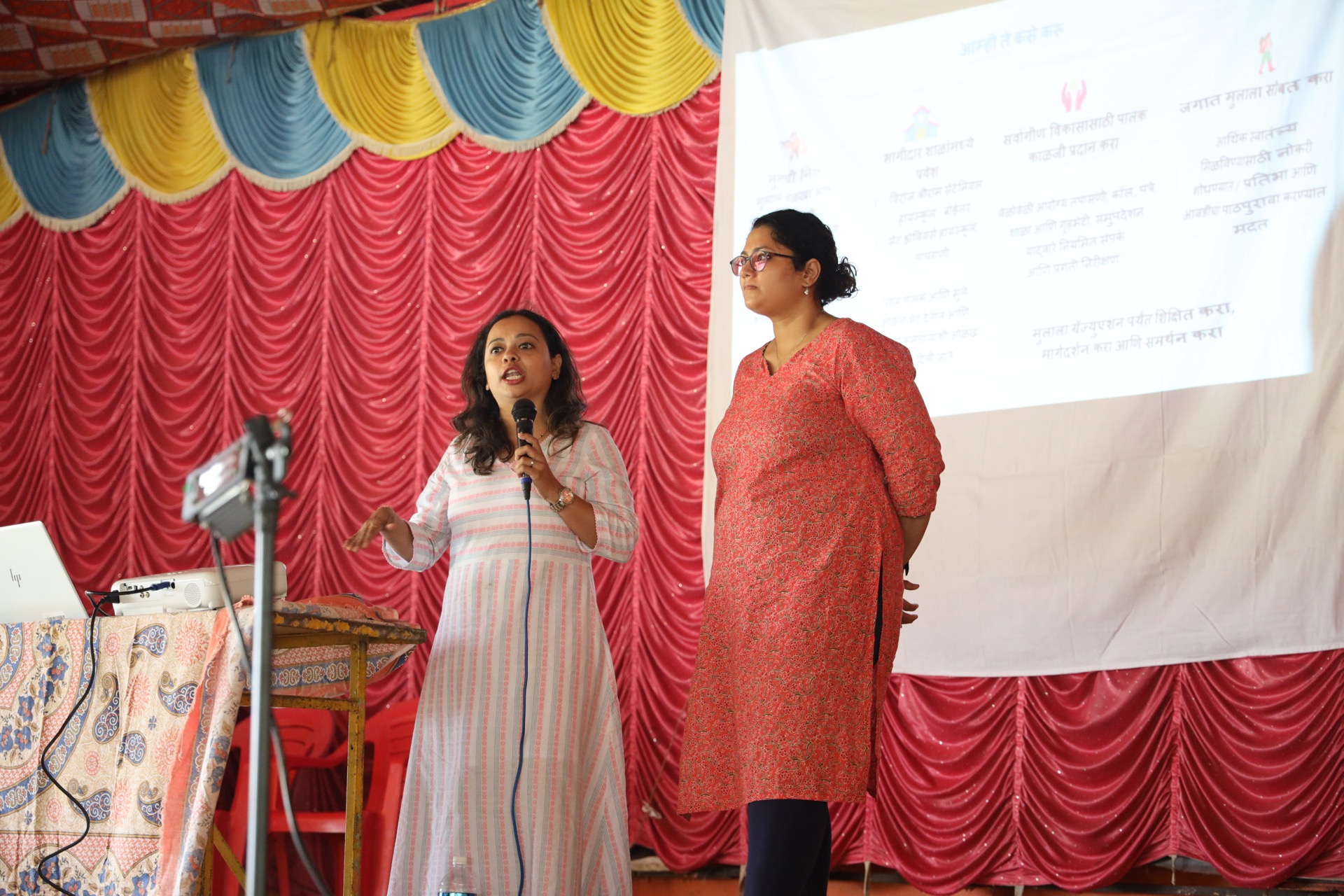
Supporting employees after a career break means recognising experience, refreshing specific skills and providing regular feedback. In my Mahindra SOAR video, I explain why returning professionals need responsibilities that match their experience. MEPSC cites an IET survey in which 65% of mid-sized companies favoured soft-skills training for new employees.
TL;DR- Assess the work a person can do before treating their career gap as a limitation.
- Agree which skills need refreshing and which strengths transfer to the role.
- Separate everyday buddy support from longer-term mentoring.
- Train managers to give clear responsibilities and discuss progress using evidence.
What does Mahindra SOAR teach managers about career breaks?
Mahindra’s January 2025 SOAR announcement describes a programme for experienced women returning to work, with roles aligned to earlier experience, induction and ongoing support. In my video, I ask why someone with experience still receives training. The answer is practical: ways of working change. That gives HR buyers a useful manager-development brief. Teach managers to recognise existing capability and identify specific learning needs. My point is about the responsibility offered after a break, not simply the decision to hire.
How should managers match a returning employee to a role?
I close the video with this line: “दोबारा सीखना दोबारा fresher बनना नहीं है।” In English: learning again does not mean becoming a fresher again. For a training exercise, give managers a fictional candidate’s previous responsibilities and the current role requirements. Ask them to mark what transfers, what needs a refresh and what requires fresh evidence. Then have them explain their role recommendation. A career gap alone cannot answer those questions. This exercise fits behavioural training for managers because it makes assumptions visible in a real decision.
What is the difference between a buddy and a mentor?
The video separates the colleague who helps with everyday work from the person who advises on career growth. Mahindra’s current SOAR page describes a buddy for the first six months and a senior mentor outside the reporting line. For your own team, define these jobs before assigning names. A buddy can explain systems, introductions and everyday processes. A mentor can help the employee think through development. The reporting manager still owns work priorities, feedback and performance expectations. One helpful colleague should not inherit every responsibility by default.
What should a manager discuss before the employee starts?
I’d ask the manager and employee to agree the first meaningful work assignment, the current tools to learn and the people who can help. Use specific questions: Which parts of this role draw on your earlier work? Which processes have changed? What access or practice would help you get started? Avoid guessing someone’s availability from the reason for their break. Discuss the actual role requirements and arrangements directly. The checklist below is a suggested conversation aid for your team, with owners and outputs that HR can adapt to its existing process.
| Conversation | Lead owner | Useful output |
|---|---|---|
| Experience and role fit | Hiring manager | Responsibilities linked to demonstrated capability |
| Changed tools and processes | Reporting manager | Focused practice and access plan |
| Everyday help | Buddy | Introductions and a clear route for questions |
| Development direction | Mentor | Career discussion with agreed next steps |
| Work progress | Manager and employee | Evidence-based feedback and support adjustments |
How can managers give feedback without undermining experience?
In the video, I contrast two managerial reactions: discounting the person’s previous work or offering suitable responsibility with support to learn new methods. In a workshop, I’d ask pairs to practise the second conversation. Use an observable example: “Your supplier-review note covers the issue clearly. Let’s practise the updated reporting template together.” Separate the quality of the judgement from familiarity with the tool. Managers can practise this within leadership training for managers, then agree one work example to revisit at the next check-in.
What would an HR-led manager workshop include?
A useful half-day session could combine the SOAR story, a role-matching exercise, a buddy-and-mentor planning task and feedback practice. I’d have managers leave with a draft support plan for a fictional employee, then adapt the structure to their own approved process. HR should supply the role expectations and existing onboarding responsibilities before the session. Managers need time to practise a difficult conversation and hear how it lands. The aim is a clear action they can use at work: recognise experience, agree the learning need and assign practical support.
How should HR check whether managers use the learning?
Pick a few behaviours that a supervisor can observe. Does the employee have a meaningful assignment? Is someone available to answer everyday process questions? Can the manager explain a skill-refresh need using evidence? Did the check-in result in an agreed next step? Review these with the manager and returning employee through your usual HR process. Keep the conversation about the work and the support needed. I would use these as follow-up questions after training, rather than promising a retention percentage or assuming that one workshop changes every manager’s habits.
How can a company book a returner-support workshop?
I’m Avinash Chate, a TEDx speaker and corporate trainer. HR and L&D teams can request a session on manager conversations, role clarity and support for returning employees. I travel for sessions in Pune, Mumbai, Chhatrapati Sambhajinagar, Sangli and across India. Share the manager group’s size, language preference, current onboarding process and the behaviours you want to improve. Format and duration follow the brief. Use the training enquiry form, email connect@avinashchate.com or call 8793630001 to discuss a workshop for your team.
Book Avinash Chate for Your Next Event
TEDx speaker. 11+ yrs training Army, BRO, RBI, BARC, JSW. Available for keynotes, leadership training, team building & manager development at your office or event venue.
✅ Thanks! Avinash team will reach out within 24 hours.'}).catch(function(e){f.outerHTML='Something went wrong. WhatsApp +91 8793630001
'});return false;">Select ServiceKeynote / Motivational SpeakingLeadership Development TrainingTeam Building WorkshopManager DevelopmentEmployee TrainingOutbound TrainingBook Avinash Now →Or WhatsApp directly: +91 87936 30001
Related Articles by Avinash Chate
- Retail Training Outlet During Pandemic: The Change Curve in Action
- Employee Retention Strategies: The Parents Payroll Lesson
- Ishan vs Dipalee: The One Skill That Decided Which Manager Won the Client
Work with Avinash Chate
- Best Motivational Speaker in Pune →
- Signature Corporate Training Programs →
- Team Building Trainer in Pune →
Avinash Chate TEDx Speaker · Founder, The Future Corporate · 11+ yrs experience Avinash has trained Indian Army, BRO, RBI, BARC, JSW Steel and 1000+ corporate leaders across India. His work focuses on leadership development, communication skills, and behavioural training rooted in Indian values and modern business needs. |
Frequently Asked Questions
How should managers support employees after a career break?
Match the role to demonstrated experience, identify the tools and processes that need refreshing, and provide named support. Agree a meaningful first assignment and regular feedback. Managers should assess current work and learning needs instead of assuming a career gap has erased earlier capability.
What does Mahindra SOAR illustrate about returning professionals?
The programme combines roles aligned to prior experience with induction, a buddy, mentoring and ongoing check-ins. My video uses it to explain a leadership principle: needing to learn current methods does not make an experienced professional a fresher. HR can use the story to start a role-fit discussion.
Should every returning employee receive the same training plan?
Start from the role and the person’s current capability. Some may need help with systems, while others need updated product knowledge, contacts or processes. Agree the plan together and revisit it using work evidence. A standard onboarding checklist can support this conversation, but the learning needs should be specific.
Can Avinash Chate run this workshop for our managers?
Yes. I’m Avinash Chate, a TEDx speaker and corporate trainer, and I can build a manager workshop around role matching, buddy support and feedback conversations. Share your team size, city, language and desired format at connect@avinashchate.com or 8793630001 to request a proposal.
Avinash Chate services
Corporate Trainer in Chhatrapati Sambhajinagar (Aurangabad) · Top Corporate Trainers in Maharashtra · Leadership Trainer in Chhatrapati Sambhajinagar (Aurangabad) · Top Leadership Trainers in Maharashtra · Team Building Trainer in Chhatrapati Sambhajinagar (Aurangabad) · Top Team Building Trainers in Maharashtra · Motivational Speaker in Chhatrapati Sambhajinagar (Aurangabad) · Top Motivational Speakers in Maharashtra · All service locations
← Back to all articles · Book Avinash Chate
By Avinash Chate — Maharashtra’s #1 Corporate Trainer & Motivational Speaker. .